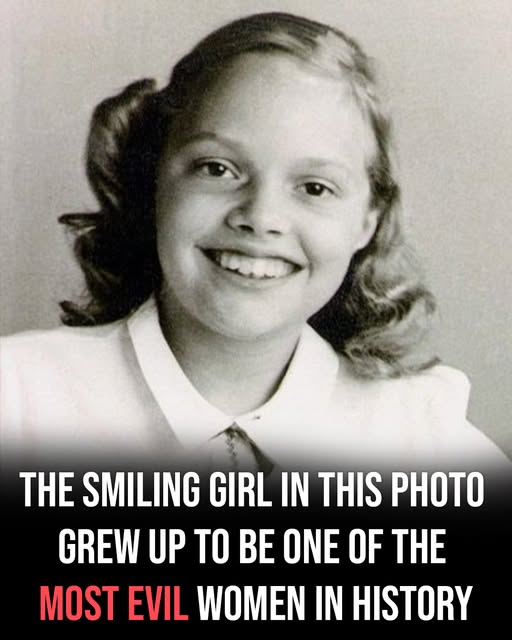
In the annals of American crime, few figures are as tragic and terrifying as Aileen Wuornos. Her childhood portrait could be that of any young girl, but behind the shy smile was a life marred by almost unimaginable hardship. This early suffering would fester and twist, ultimately shaping one of the nation’s most notorious female serial killers. Her biography reads like a textbook on how a complete absence of safety and love can forge a destructive and deadly path.
The foundation for her future was laid in a childhood devoid of stability. Abandoned by her mother and left with a grandfather she described as brutally abusive, Wuornos never experienced a normal family life. She was cast out as a teenager, left to fend for herself on the streets. This early life of neglect and exploitation created a deep-seated anger and a fundamental distrust of the world, particularly men. Her means of survival—hitchhiking and prostitution—placed her in a vulnerable and volatile underworld, setting the stage for the violence that was to come.
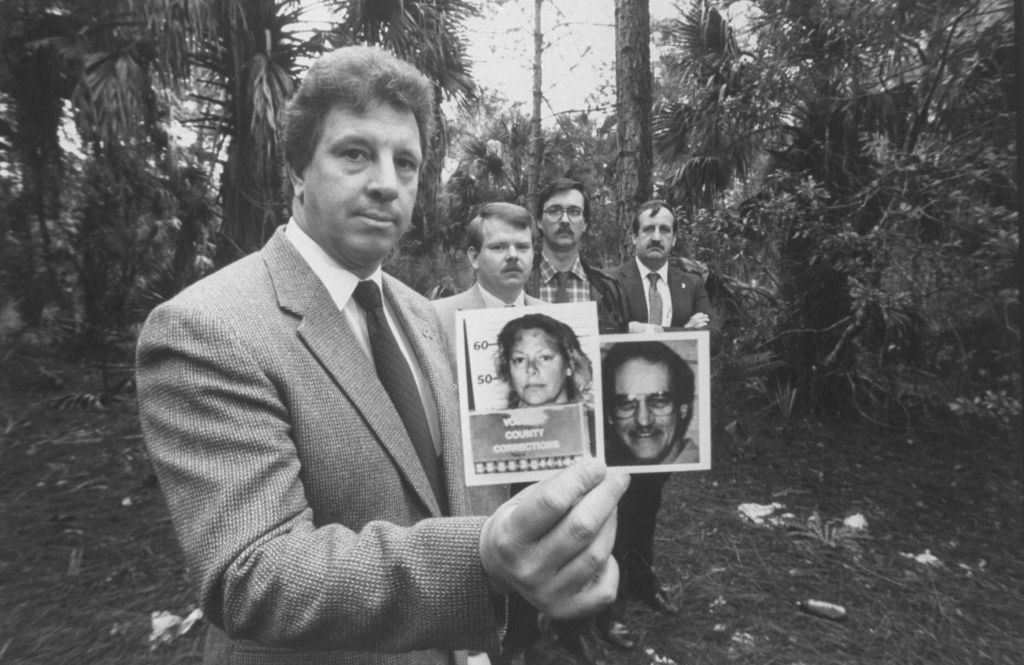
That violence erupted in Florida in the late 1980s. A series of men were found murdered, their bodies discarded near remote highways. The investigation led police to Wuornos, who confessed to shooting several men. She maintained that each killing was an act of self-defense during attempted rapes, a narrative that painted her as a victim fighting back against predators. The prosecution, however, argued she was a calculated killer who murdered for money and possessions. The trial captivated the nation, not just for the gruesome details, but for the difficult questions it raised about victimhood and culpability.

Convicted on multiple counts of murder, Wuornos spent a decade on death row, where her demeanor swung between remorse and belligerent defiance. She was executed in 2002, but her story continues to resonate. It serves as a grim reminder of the cyclical nature of violence and the profound impact of childhood trauma. The case of Aileen Wuornos remains a deeply unsettling chapter in criminal history, forcing a continual re-examination of the thin line between a damaged soul and a remorseless killer, and the societal failures that can allow such a tragic figure to emerge.