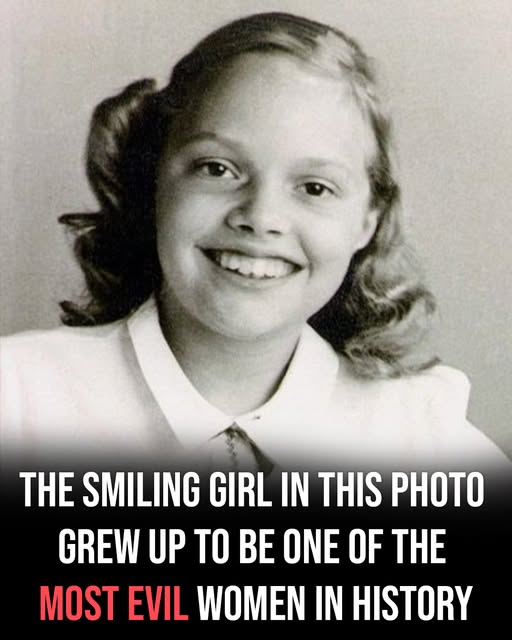
The story of Aileen Wuornos is one of America’s most disturbing crime narratives, a journey that began not with a hardened criminal, but with a vulnerable child. Her early photographs show a little girl from Michigan with blonde hair and wide eyes, her expression hinting at a sadness that belied her youth. Few could have predicted that this child would grow into the woman known as the “Damsel of Death,” a figure whose name would become synonymous with a rare and chilling form of female violence. Her life serves as a harrowing case study of how early trauma can corrode a human spirit beyond recognition.
Her path was set from the very beginning. Aileen was born into a world of profound instability. Her father was a convicted child molester who died by suicide in prison, and her mother abandoned her and her brother when she was just a toddler. Sent to live with their grandparents, Aileen found no sanctuary. Her grandfather was reportedly abusive and violent, creating an environment of fear and neglect. By her early teens, she was pregnant after a sexual assault, a story she claimed was disbelieved by her family. Thrown out of her home and forced to give up her child, she turned to the streets, where survival meant theft and prostitution, hardening her against a world that had shown her little kindness.
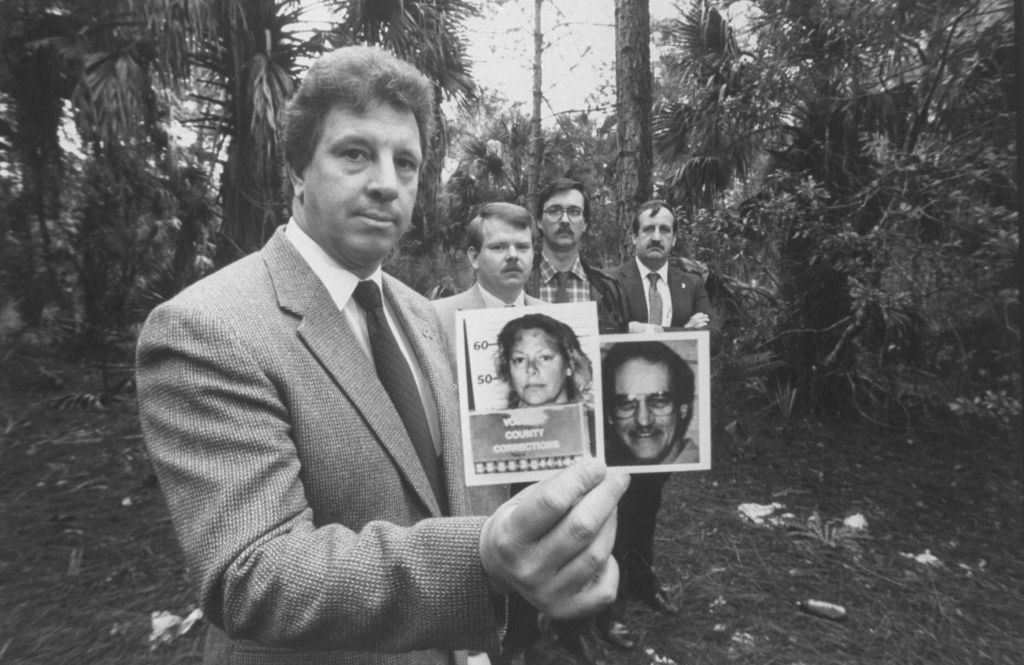
This life of transient desperation eventually led her to Florida, where a series of brutal murders would cement her infamy. Between 1989 and 1990, seven men were found shot to death along the state’s highways. The common thread was a hitchhiking woman, later identified as Wuornos. Upon her arrest, she confessed to the killings, offering a starkly different motive for each one: she claimed every act was in self-defense against violent assault. The legal system, however, saw a calculated serial killer who robbed her victims. Her trial became a media spectacle, forcing the public to grapple with the complex portrait of a victim who had become a perpetrator.

Wuornos was ultimately convicted and sentenced to death. In the years leading to her execution, her public statements vacillated between defiant admissions of guilt and expressions of deep-seated rage. She was executed by lethal injection in 2002, but the debate over her legacy continues. Was she a cold-blooded murderer or a tragic product of a lifetime of abuse and systemic failure? The story of Aileen Wuornos forces us to confront uncomfortable questions about justice, trauma, and the point at which a victim’s pain transforms into unforgivable violence, leaving behind a legacy that is as complicated as it is horrifying.