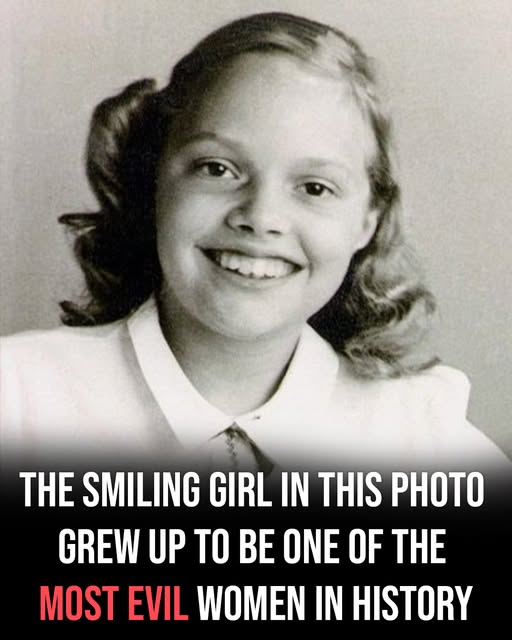
The name Aileen Wuornos evokes a specific and chilling image: America’s first recognized female serial killer. But to understand the woman she became, one must look at the girl she was—a child failed by every system designed to protect her. Her journey from a broken home to Florida’s death row is a stark narrative about the devastating consequences of unchecked abuse and societal neglect, a story that continues to provoke debate and horror in equal measure.
Wuornos’s early life was a catalog of trauma. With a father who died in prison and a mother who abandoned her, she was raised by grandparents in a home she described as rife with physical and emotional abuse. Pregnant by assault at thirteen and subsequently rejected by her family, she was thrust into a life on the margins. For years, she drifted, surviving through sex work and developing a deep-seated resentment that festered with each passing year of hardship and exploitation. This was the crucible in which her violent future was forged.
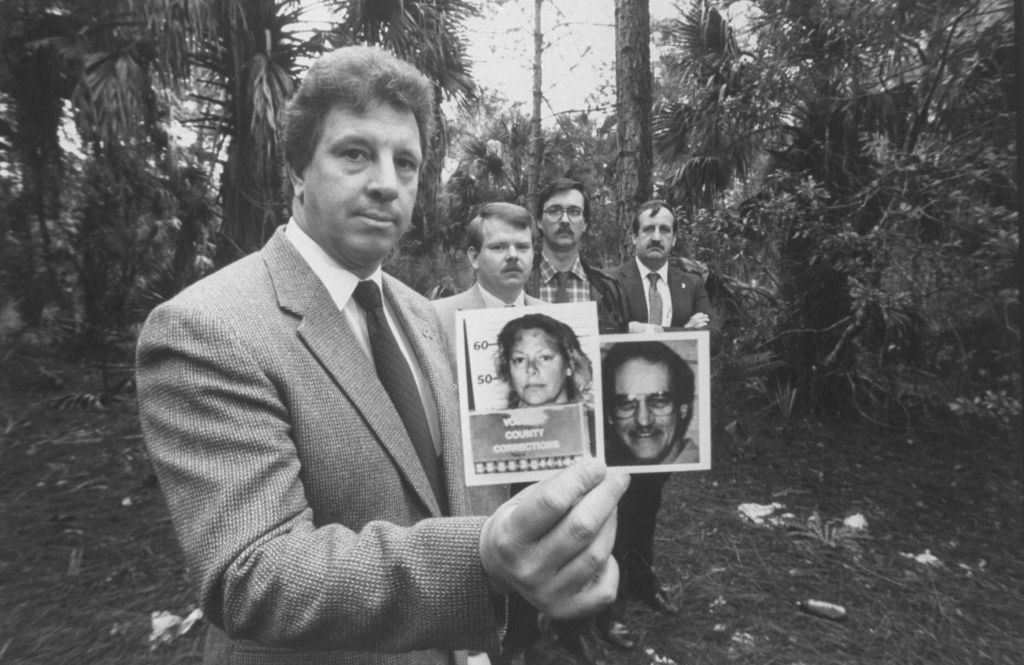
That future arrived with a vengeance between 1989 and 1990, when she confessed to murdering seven men in Florida. Wuornos claimed she killed in self-defense while working as a prostitute, stating her victims had attempted to rape or harm her. The legal system rejected this defense, presenting evidence that she robbed her victims and coldly executed them. Her trial became a national obsession, dissecting her troubled past not as a justification, but as a possible explanation for her actions. The public was left to wrestle with the uncomfortable duality of a woman who was both a product of horrific abuse and a perpetrator of heinous crimes.

After being sentenced to death, Wuornos spent her final years as a symbol of failed potential and ultimate corruption. Her execution in 2002 closed the legal case, but it did not settle the moral and psychological questions surrounding her life. The story of Aileen Wuornos endures not merely as a true-crime curiosity, but as a profound and disturbing lesson. It challenges us to consider how far empathy can extend to someone who has committed monstrous acts, and it stands as a somber warning about the potential for violence that can emerge when a human being is stripped of safety, dignity, and hope from their earliest days.