The outcome of the New York City mayoral race has solidified a deep political divide, setting the stage for a turbulent start to the new year. Zohran Mamdani, having secured a narrow victory with just over fifty percent of the vote, is preparing to assume leadership of the nation’s largest city. His win, however, has been met not with universal celebration but with fierce opposition from prominent national figures, transforming the local election into a national political battleground and casting a shadow of uncertainty over the city’s future.
The criticism began even before the final votes were counted. Former President Donald Trump, who had publicly endorsed independent candidate Andrew Cuomo, issued a stark warning to voters. He labeled Mamdani a “communist” and threatened to sever almost all federal funding to New York City if he were elected. Trump argued that under such leadership, the city had “zero chance of success, or even survival,” and pledged from his presidential platform to withhold financial support to avoid sending “good money after bad.” This preemptive strike set a confrontational tone for the federal relationship awaiting the new mayor.
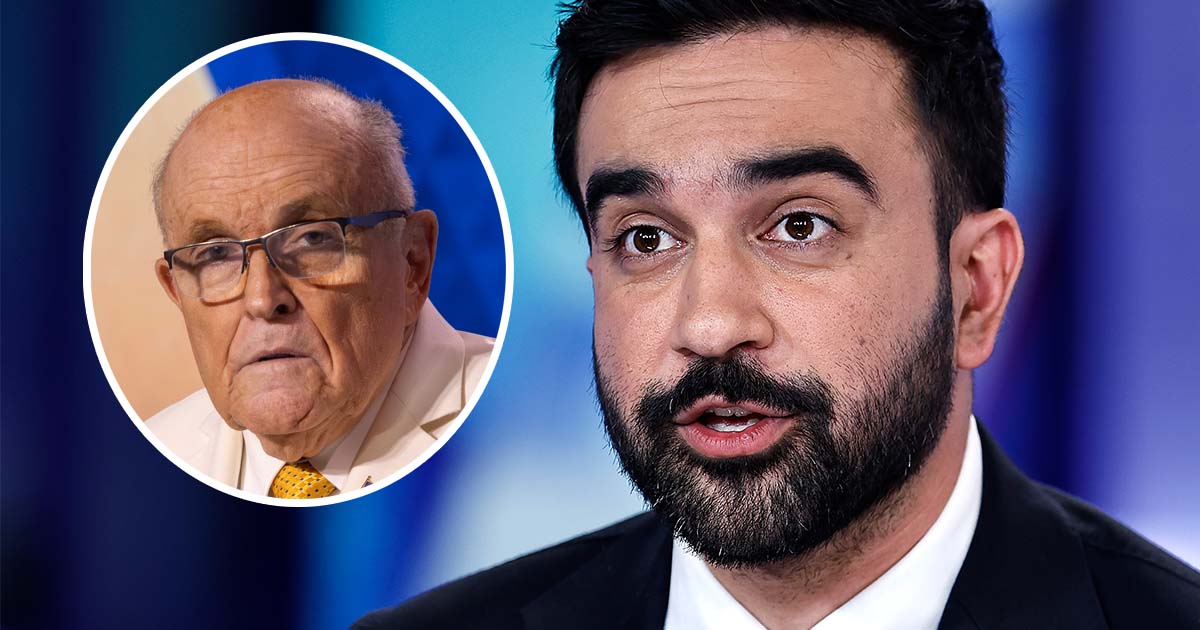
The political firestorm has only intensified since the election results were certified. The latest and one of the most vocal critics is former New York City Mayor Rudy Giuliani. In a recent interview, Giuliani offered a brutal six-word piece of advice to the mayor-elect: “My advice to him is to step down.” Giuliani, who was famously dubbed “America’s mayor” for his role following the 9/11 attacks, did not limit his criticism to political ideology. He escalated the accusations by branding Mamdani a “serious security threat to the United States of America.”
Giuliani’s allegations stem from Mamdani’s alleged association with an Imam whom Giuliani described as a “supporter of terrorism.” He insisted his concern was not about religion but about extremism, questioning whether the federal government would grant someone with such affiliations the necessary security clearance. These grave accusations, combining charges of communism with sympathy for terrorism, represent an unprecedented level of opposition to an incoming mayor from a former holder of the office, signaling a deeply fractured political landscape.
As Zohran Mamdani prepares for his swearing-in ceremony, he faces a challenge far greater than the typical administrative hurdles of governing a complex metropolis. He is stepping into a role where he is viewed as an illegitimate leader by a significant portion of the national political establishment. The coming months will test not only his policies and plans for the city but his ability to govern effectively while under a constant barrage of severe criticism and threats to the city’s federal funding, a situation that promises a contentious and historic chapter for New York City.