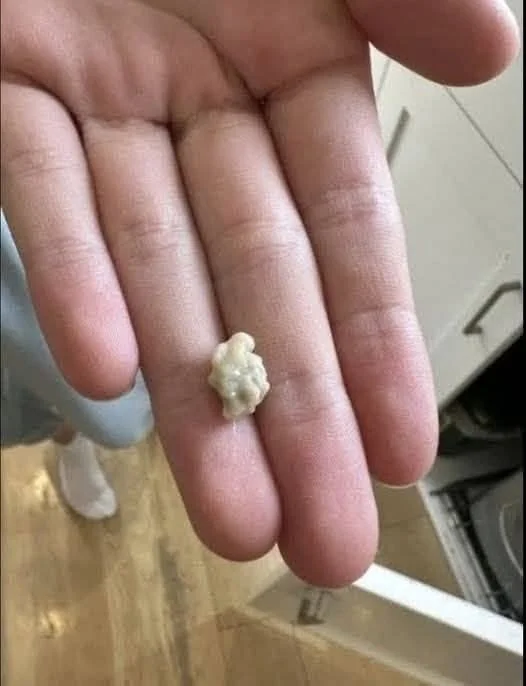
In the vast landscape of internet trends, a peculiar genre of content has captured the attention of millions: medical and removal videos. Among popping pimples and draining cysts, a new star has emerged—the tonsil stone. These small, pebble-like formations that lodge in the crevices of the tonsils have become a fascinating subject for viewers worldwide. The process of extracting them is now a viral sensation, tapping into a universal curiosity about the hidden aspects of our own bodies. It’s a trend that blends slight unease with undeniable intrigue.
To understand these stones, it helps to know a bit about the tonsils themselves. These small organs at the back of your throat are frontline soldiers for your immune system, producing white blood cells and antibodies to fight infection. Their surface isn’t smooth; it’s dotted with nooks and crannies called crypts. These crypts are meant to trap bacteria and viruses, but they can also inadvertently catch other things, like tiny food particles, dead cells, and mucus. When this material becomes trapped and hardens over time, a tonsil stone, or tonsillolith, is formed.
The sheer popularity of removal videos is a phenomenon in itself. Specific videos demonstrating quick and easy tonsil stone extraction have amassed staggering view counts, with some surpassing fifteen million watches. There’s a compelling, almost therapeutic satisfaction in watching a problem be identified and cleanly resolved. This visual resolution taps into a deep-seated sense of relief and order, making the sometimes-strange process surprisingly gratifying to witness from the comfort of your screen.
Beyond the immediate fascination, this viral trend prompts a broader reflection on health awareness. In our daily lives, we seldom give our tonsils a second thought—until they cause discomfort. These videos, in their unusual way, serve as a reminder of the complex and often overlooked systems working within us. They highlight how small, forgotten parts of our anatomy can sometimes need attention, encouraging a more proactive and informed approach to our overall well-being, even in areas we don’t typically consider.
Ultimately, the world of tonsil stones represents a unique intersection of biology, internet culture, and human curiosity. While the videos themselves cater to a specific and growing audience, the underlying message is universal. They remind us that our bodies are full of fascinating, sometimes quirky, processes. This trend, odd as it may seem, has opened a small window into a common yet rarely discussed condition, fostering a strange but genuine form of health education through the power of viral viewing.