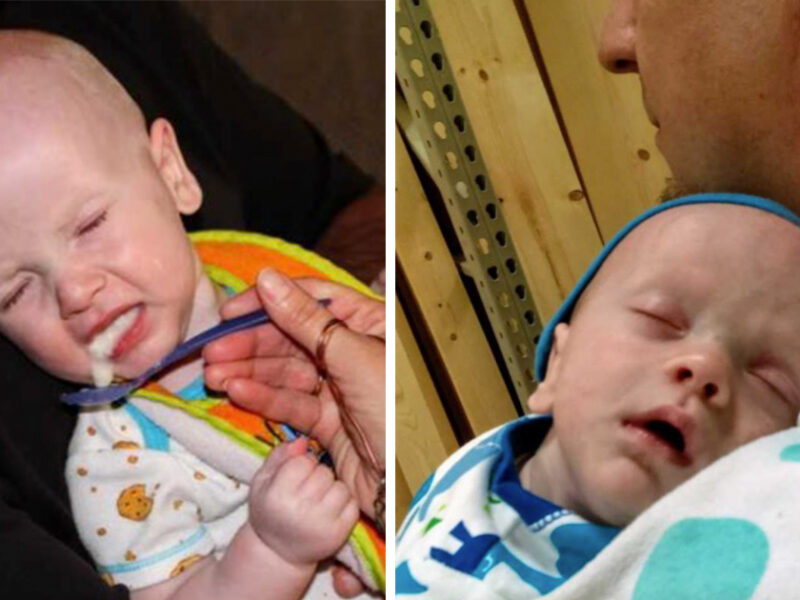
The creator of the Big Friendly Giant understood that real giants aren’t just in stories—they are the looming threats to a child’s health. For Roald Dahl, that giant was measles. In a moving public letter from 1986, the celebrated author stepped away from fiction to share a devastating truth from his own life. He told the world about the death of his daughter Olivia, and in doing so, began a compassionate campaign to champion childhood vaccines.
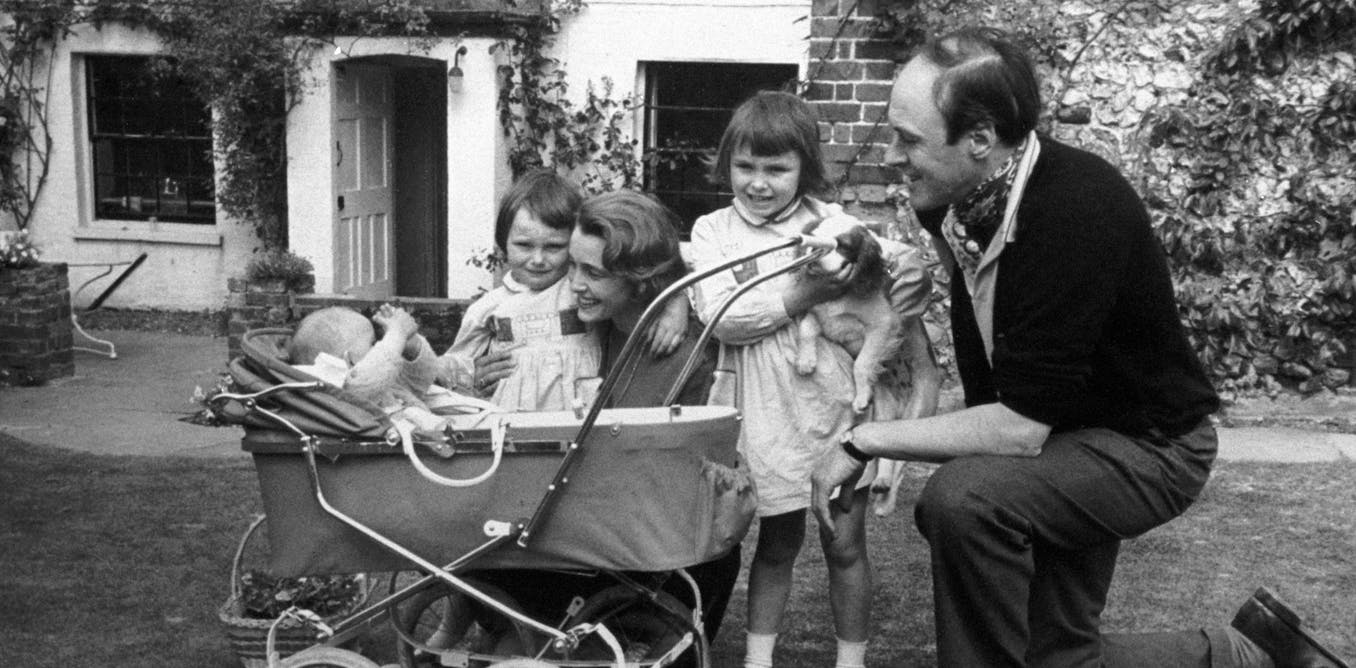
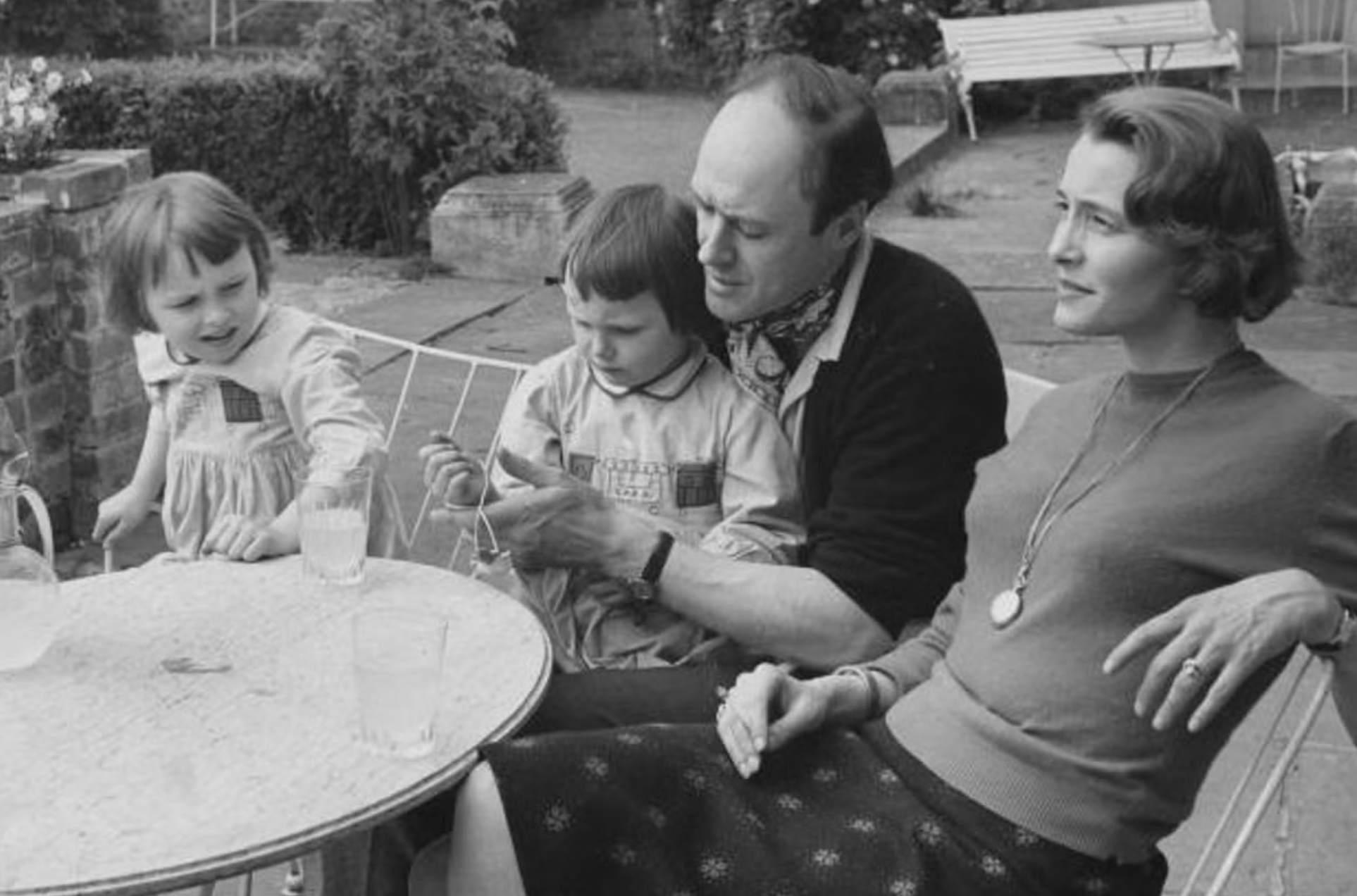
Olivia’s story is a parent’s quiet nightmare. After contracting measles, she appeared to be on the mend. Dahl was at her bedside, teaching her a simple craft, when he noticed something was terribly wrong. Her coordination faded, and she became overwhelmingly tired. This was the swift onset of measles encephalitis. No doctor could stop it, and Olivia died at just seven years old. The vibrant little girl was lost in a matter of hours to a disease many mistakenly considered mild.
From this profound grief, Dahl found a powerful purpose. He saw the introduction of the measles vaccine as a beacon of hope. He channeled his sorrow into action, writing with a clarity meant to cut through doubt or complacency. His argument was straightforward: here is a pain I carry every day, and here is a simple action you can take to ensure you never have to carry it too. He asked parents to choose the safe, proven protection of immunization.
Dahl ensured Olivia was remembered not only in his heart but in his life’s work. He dedicated classic stories to her, turning pages of fantasy into enduring memorials. But his most significant tribute was his advocacy. By speaking out, he helped change minds and protect generations of children. His words gave a human face and an emotional weight to medical statistics, making the abstract danger of disease painfully concrete.
Today, Roald Dahl’s tale is more than a historical note; it is a lasting call to care. In an age of misinformation, his straightforward, emotion-driven message stands strong. He used his gift for connection not just to spin yarns, but to safeguard futures. His journey from a grieving father to a public health advocate shows how personal tragedy can transform into a universal shield, defending the most vulnerable among us.