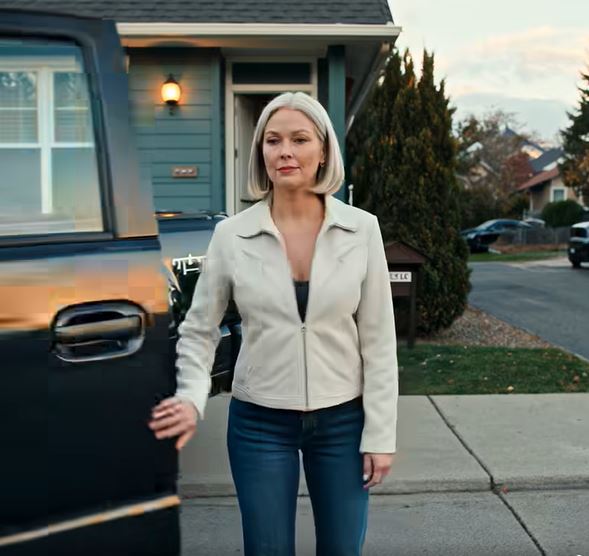
I did something I had never done before: I showed up at my son’s doorstep without warning. For years, I had been the careful mother, always calling weeks in advance, asking what was needed, tiptoeing around my daughter-in-law’s unspoken rules. But seven months had passed without seeing my grandchildren, and a mother’s instinct is a relentless thing. The door opened, and instead of welcome, I was met with a cold anger from my son, Marcus. “Who invited you? Leave,” he said, before quietly closing the door. I stood on that perfect porch, my world cracking silently, then turned and walked away. But I didn’t go home. I checked into a nearby hotel, and by morning, my phone showed seventy-two missed calls. Their panic wasn’t concern; it was the sound of control slipping away.
That moment of rejection was the painful end of a long, slow fade. Looking back, the signs were all there. Video calls cut short, visits postponed with flimsy excuses, my son’s voice growing more distant and formal. My daughter-in-law, Jessica, was always the gentle gatekeeper, her smiles never quite reaching her eyes. I had dismissed my unease, told myself I was being overly sensitive, that I should be grateful for the scraps of time I was given. But a closed door speaks a brutal truth. It told me I was no longer a grandmother; I was a problem to be managed.
The seventy-two frantic calls confirmed my darkest suspicion. Their urgency wasn’t about my safety; it was about my defiance. I had become an unpredictable variable. Instead of answering, I began my own quiet investigation. I documented every cancelled visit, every shortened call. I reached out to old friends of Marcus’s and discovered a pattern: he had been systematically isolated from everyone in his life before Jessica. This wasn’t about boundaries; it was about erasure. My heart broke for my son, trapped in a gilded cage, and solidified my resolve for my grandchildren, Emma and Tyler.
I contacted a lawyer specializing in grandparent rights. The path was daunting, known for being emotionally brutal and legally difficult. Jessica fought with vicious precision, painting me as unstable, critical, and manipulative. She sent threatening letters and even had me followed. But I had truth, documents, and witnesses on my side. The courtroom became a battleground where her mask finally slipped. When the judge heard her say she had “freed” Marcus from me, the real dynamic became clear. It was no longer my word against hers; it was control versus love.
The court granted me visitation. Supervised at first, then gradually more time. The first time Emma ran into my arms again, the seven months of agony melted away. The real victory, however, came slowly. As I consistently showed up, just to love them, the fog around Marcus began to lift. Our relationship started to heal, stitch by painful stitch. Jessica’s control, exposed and challenged, could not withstand the light. Today, I have my family back. That closed door was not an ending, but the beginning of a fight I didn’t know I had in me—a fight to prove that a grandmother’s love is a right worth fighting for, and that sometimes, walking away quietly is just the first step in finding your voice.