We left for the ocean with the light, happy fatigue that comes from a well-packed car and a clear conscience. We’d done a good thing. Mandy, family in a tight spot, had a safe harbor in our home for the week. The note on the fridge wished her a Merry Christmas. We imagined her there, peaceful, in the quiet we’d left behind. The fantasy lasted until the front door swung open upon our return.
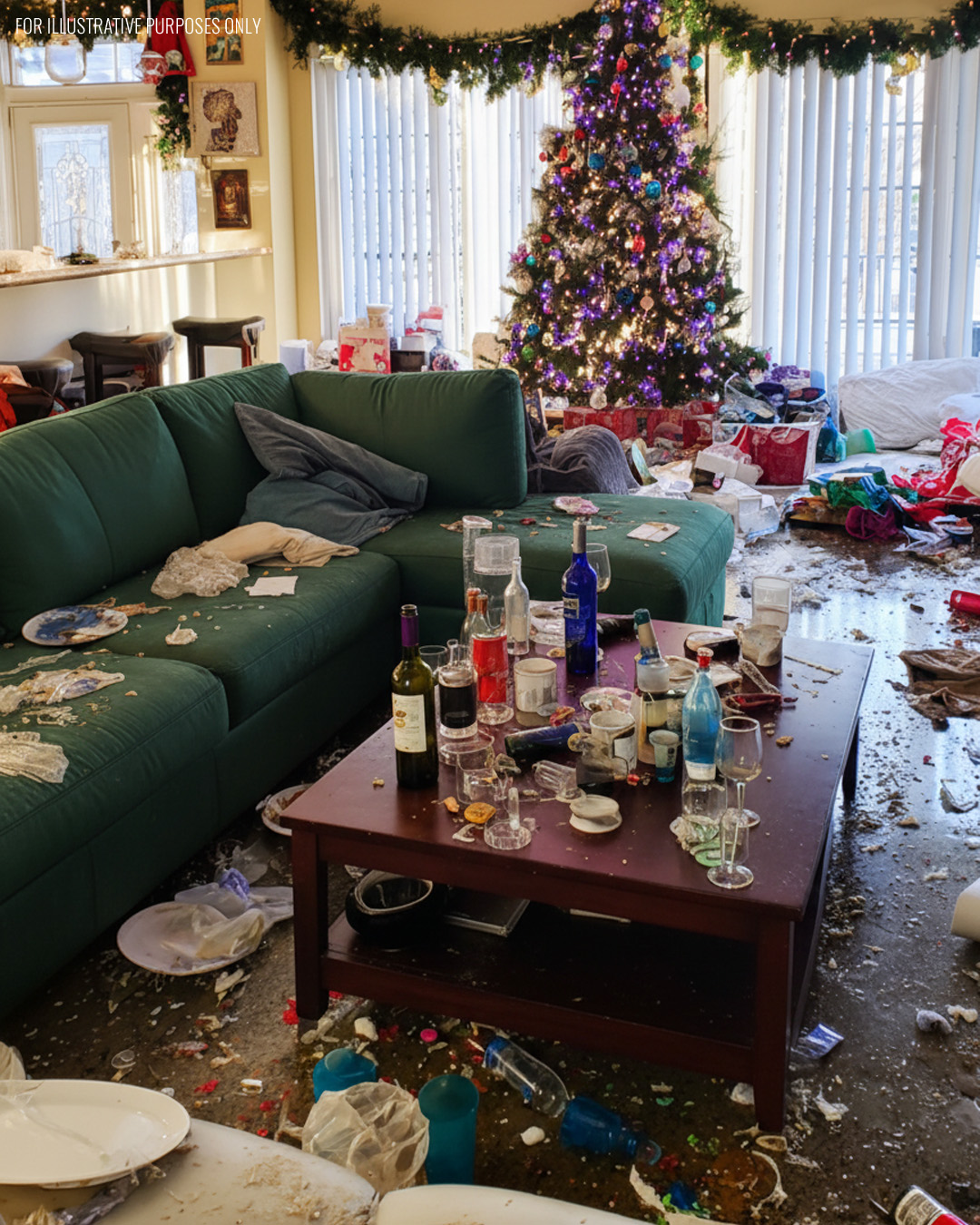
The smell hit first—a pungent mix of spoiled food, spilled beer, and neglect. Our living room, the heart of our ordinary, crumb-filled life, had been turned into a stranger’s party den. It was the visceral detail that broke me: my son’s favorite lamp, shattered on his bedroom floor, glass glittering like cruel confetti in the carpet. This wasn’t messiness; it was a violation. Mandy’s defensive, dismissive call only deepened the wound. She spoke of our cleanliness standards as if the issue was a stray cup, not the gutting of our sense of security.
My husband’s visit to her apartment unveiled the colder truth. The “disaster zone” renovation was a fiction. Her kitchen shone, untouched. The lie was so complete, so calculated. She crumbled under direct confrontation, admitting she’d rented our house out for cash to a party she found online. The betrayal shifted then, from anger to a chilling clarity. Our home, our children’s rooms, the backdrop to our most private memories—she’d seen it all as an asset to be monetized, our trust merely the lock she needed to pick.
We stood in her doorway the next day, not as angry relatives, but as principals stating terms. The threat of legal action wasn’t bluster; it was the only language left that she might understand. We watched the defiance in her eyes war with the fear of real consequences. She paid, of course. The cleaners came, the lamp was replaced, the stains were lifted. But some things are irreversible. We changed the locks, literally and figuratively. The wider family now knows, and her reputation carries the quiet, permanent label of “untrustworthy.”
The final lesson settled in the quiet, clean house afterwards. My son asked why family would do that. I told him that shared blood doesn’t guarantee shared morals, and that protecting your own sanctuary is the first duty of a home. We learned that some acts don’t just damage property; they incinerate bridges. And sometimes, that’s okay. Some bridges, built on lies, are better left as ashes, a reminder to build sturdier gates around the people and places you truly hold dear.