There is a special kind of quiet in a house that is truly your own. It’s the silence of a door that hasn’t been opened without your permission, of drawers that haven’t been rifled through, of air that hasn’t been scented with someone else’s judgment. I learned the value of that quiet the hard way, when I discovered the faint scratches around my new front door and saw the oily fingerprint on the lock. My parents had been here. They had tried to use a copied key to let themselves into the home I had bought without telling them. When it didn’t work, they escalated—returning with a locksmith in broad daylight, as if their entitlement alone could grant them entry. But they had no idea I had been preparing for this moment for years, and that this house was the one place they could never claim.
For my entire life, my privacy had been treated as a suggestion. My childhood room was inspected, my diary read, my financial decisions scrutinized and belittled. When I finally saved enough to buy a house, their reaction wasn’t pride but a calculation of how they could benefit. I knew then I could never give them a key. So I took precautions: a high-security lock, a hidden camera, and a quiet resolve to protect my sanctuary. The camera captured their confused anger when their illegal key failed, and it gave me the evidence I needed. When I confronted them with the police report already filed, the dynamic shifted forever. They were no longer just overbearing parents; they were documented trespassers.
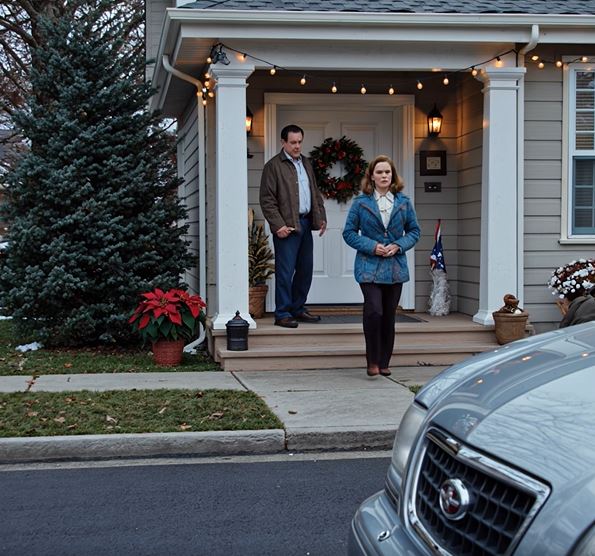
The confrontation on my porch was short and devoid of the drama they craved. I didn’t shout or cry. I simply stated facts: they were not welcome, they had broken the law, and I had proof. Watching the locksmith drive away and the color drain from their faces, I felt a profound detachment. The people who had always framed control as concern were finally facing a boundary they could not cross. The subsequent restraining order was not an act of vengeance, but the logical consequence of their actions, a legal affirmation of my right to exist in my own space without invasion.
In the year that followed, I built a life within those walls that was entirely my own. I planted a messy garden, left coffee rings on the counter, and filled the rooms with the quiet hum of my own choices. The lock on my door stopped being a symbol of what I was keeping out and became a celebration of what I had built within. Sometimes, freedom isn’t a grand declaration. It’s the simple, solid sound of a deadbolt sliding home, clicked by your own hand, in a house that is finally, and forever, yours.