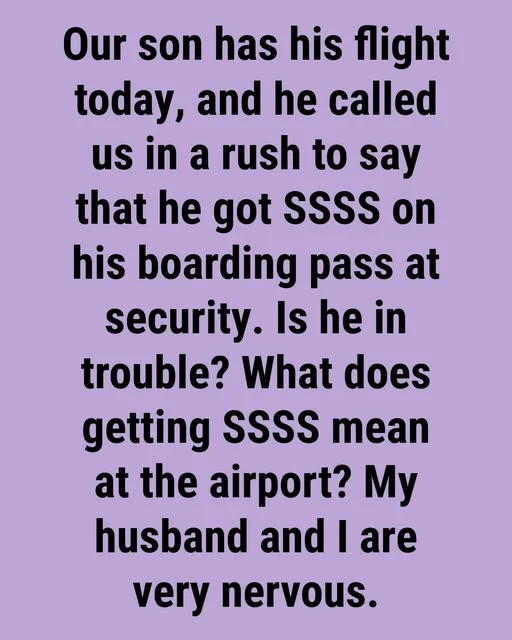
If you’ve ever glanced at your airline boarding pass and noticed the letters “SSSS” printed somewhere on the ticket, you might have felt a moment of confusion or concern. This four-letter code stands for Secondary Security Screening Selection, a designation used by security agencies like the U.S. Transportation Security Administration (TSA). It is a signal to airport personnel that the passenger holding this pass has been selected for an additional, more thorough security screening process before being allowed to proceed to their gate. Understanding what this means can transform a potentially stressful airport experience into a manageable, if slightly inconvenient, part of your journey.
The appearance of SSSS on your boarding pass is part of a broader security protocol known as the Secure Flight program. This system is designed to vet passengers against various government watchlists and risk assessment criteria. Importantly, receiving this designation is not an accusation of wrongdoing. In many instances, passengers are chosen completely at random as part of security measures intended to be unpredictable. This randomness is a key layer in maintaining a robust defense system, ensuring that no pattern can be discerned or exploited by those with harmful intentions.
However, randomness is not the only trigger. Certain travel patterns or logistical factors can also prompt the flag. These may include booking a one-way international ticket, making a last-minute reservation, having a name that is similar or identical to one on a security checklist, or even having incomplete information on your reservation. The system is designed to err on the side of caution, which means many law-abiding travelers may encounter the SSSS code occasionally throughout their flying history. For the vast majority, it is simply a procedural step, not a reflection of personal suspicion.
So, what exactly happens if your boarding pass is marked with SSSS? First, you will be unable to use online check-in or a self-service kiosk at the airport. You must present yourself to an airline agent at the ticket counter to receive your boarding pass. Then, at the security checkpoint, you will be directed to a separate area for enhanced screening. This process typically involves a comprehensive hand search of all your carry-on luggage, explosive trace detection testing, a more detailed physical pat-down, and a request to power on any electronic devices you are carrying to verify they are genuine and functional.
While this additional screening can add significant time to your pre-flight routine—anywhere from 15 to 45 extra minutes—the best approach is to stay calm and cooperative. Planning ahead is your greatest ally. Arrive at the airport earlier than usual, ensure all your travel documents are easily accessible, and make sure your electronic devices are fully charged so they can be powered on if requested. Viewing the SSSS process as a standard, if infrequent, part of modern travel logistics can reduce anxiety. It is a procedural element of a layered security strategy, one designed with the safety of every passenger in mind, and for most travelers, it remains an occasional occurrence rather than a permanent label.