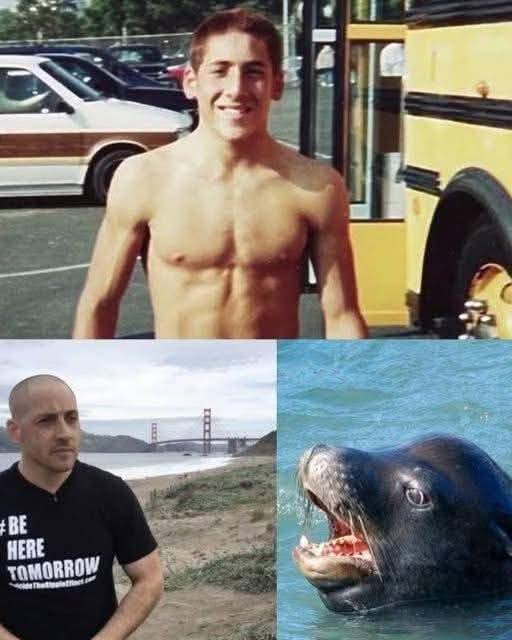
On an ordinary September morning in 2000, 19-year-old Kevin Hines took a bus to the Golden Gate Bridge. He was in the grips of a severe bipolar depressive episode, a condition he had battled silently for years. The world around him felt distant and meaningless, overshadowed by an internal voice insisting he was a burden. That day, he believed jumping was his only escape from the pain. Climbing over the railing, he let go. What happened in the seconds after became one of the most remarkable stories of survival and purpose ever recorded.
The fall was a 220-foot plunge, hitting the water at a speed that breaks most bodies. Kevin shattered three vertebrae. But in the fleeting moment between letting go and impact, a profound and instant regret overwhelmed him. He realized he wanted to live. Paralyzed and struggling in the frigid San Francisco Bay, facing almost certain drowning, an unexpected savior appeared. He felt a creature circling him, then nudging him persistently upward, keeping his head above water. It was a sea lion, whose instinctual act of support held him afloat until the Coast Guard arrived. This intersection of despair and miraculous intervention became the pivot point of his life.
Kevin’s physical recovery was grueling, involving years of rehabilitation to regain mobility. The emotional healing was an even longer journey. He had to confront the trauma of his decision and rebuild a life worth living. Through intensive therapy and support, he began to understand his bipolar disorder not as a life sentence, but as a part of his story that could empower others. His survival, against all odds, felt like a mandate. He had been given a second chance, and he felt compelled to use it.

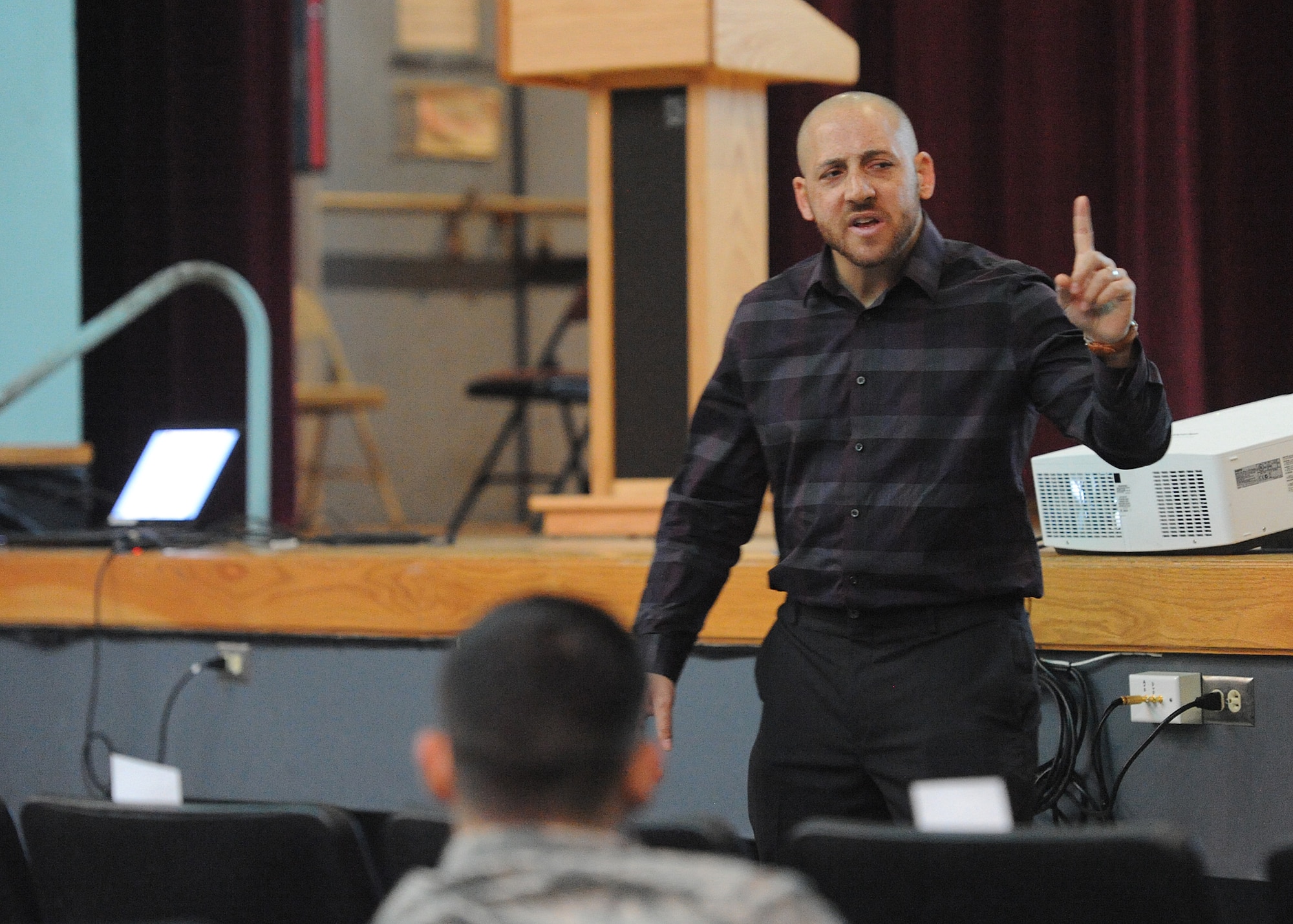
That compulsion grew into a global mission. Kevin Hines became a powerful mental health advocate, sharing his story on stages worldwide. He authored a bestselling memoir, Cracked, Not Broken, and founded an organization dedicated to suicide prevention. His message is raw and urgent: that in the depth of despair, the brain can lie, and that momentary, intense suicidal crisis can pass. He emphasizes the critical need to talk openly about mental pain and to reach out for help without shame.
Today, Kevin’s story is a lighthouse for those in dark waters. The sea lion’s nudge has become a universal symbol of unexpected hope and the interconnectedness of life. His survival led to advocacy that has directly influenced policy, including the push for a suicide deterrent net on the Golden Gate Bridge. Kevin Hines’s life proves that from the brink of absolute ending can come a powerful, unwavering beginning dedicated to saving others. His legacy is a testament to the fact that our darkest moment does not have to be our last.