
The promise of stress relief led seventeen-year-old Brianne Cullen down a dangerous path, one that ended with a frightening diagnosis and a changed life. After secretly vaping since she was fourteen, Brianne was recently diagnosed with bronchiolitis obliterans, or “popcorn lung”—a serious, incurable disease that scars the lungs. Her story underscores urgent warnings from health experts about the very real and severe risks associated with vaping, especially the flavored products popular among youth.

It started with a common teen experience: anxiety about school. Brianne found what she thought was a solution in a flavored vape, using it regularly for three years without her mother’s knowledge. The first signs were subtle but persistent: frequent illnesses, coughs, and sore throats that were easy to dismiss. The truth surfaced during a cheerleading practice, a physically demanding activity that stressed her compromised lungs. She called her mother, gasping that she couldn’t breathe, leading to a rush to the emergency room.
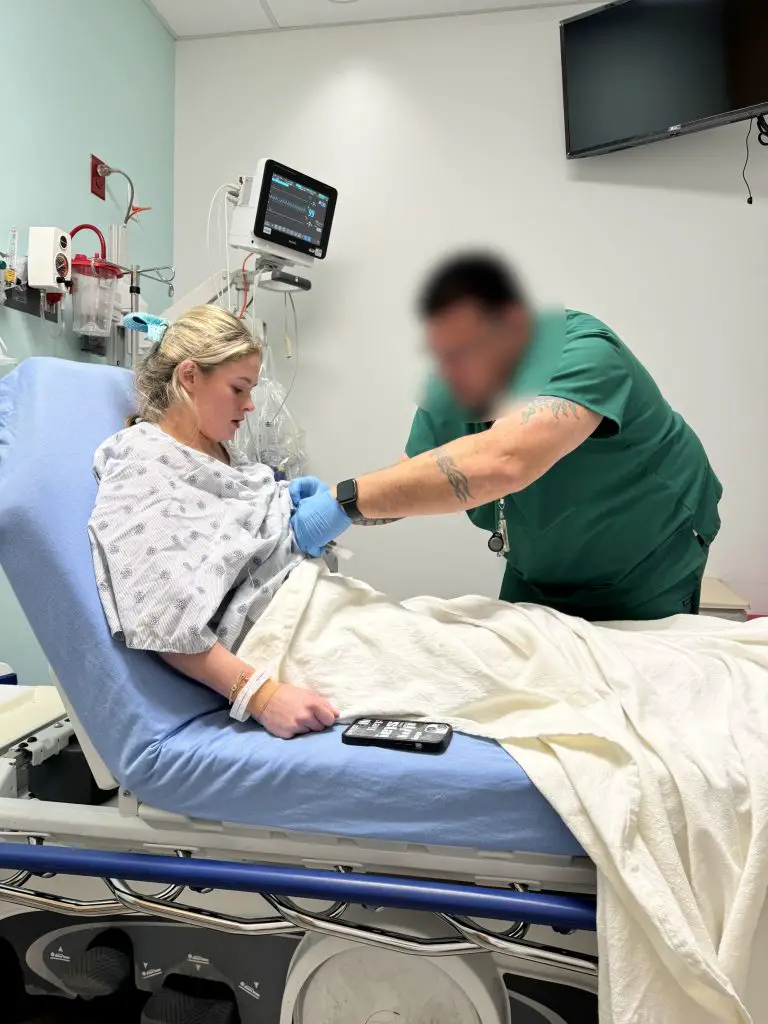
In the hospital, doctors delivered the life-altering news. The condition, nicknamed for its link to diacetyl exposure in popcorn factory workers years ago, causes irreversible damage to the lung’s airways. Despite being caught early, Brianne’s lungs are permanently scarred. She now manages daily symptoms like shortness of breath and fatigue with an inhaler, a direct result of the chemicals she inhaled from what she believed was a harmless device.

Her mother, Christie Martin, is channeling the family’s ordeal into advocacy. She confronts not only the dangers of vaping but also the blame sometimes placed on parents, arguing that shame prevents crucial awareness. She compares today’s vaping landscape to the once-accepted use of cigarettes, emphasizing that the full truth about e-cigarette risks is still coming to light. Her goal is to spur action to remove harmful flavoring chemicals from the market and educate other families.
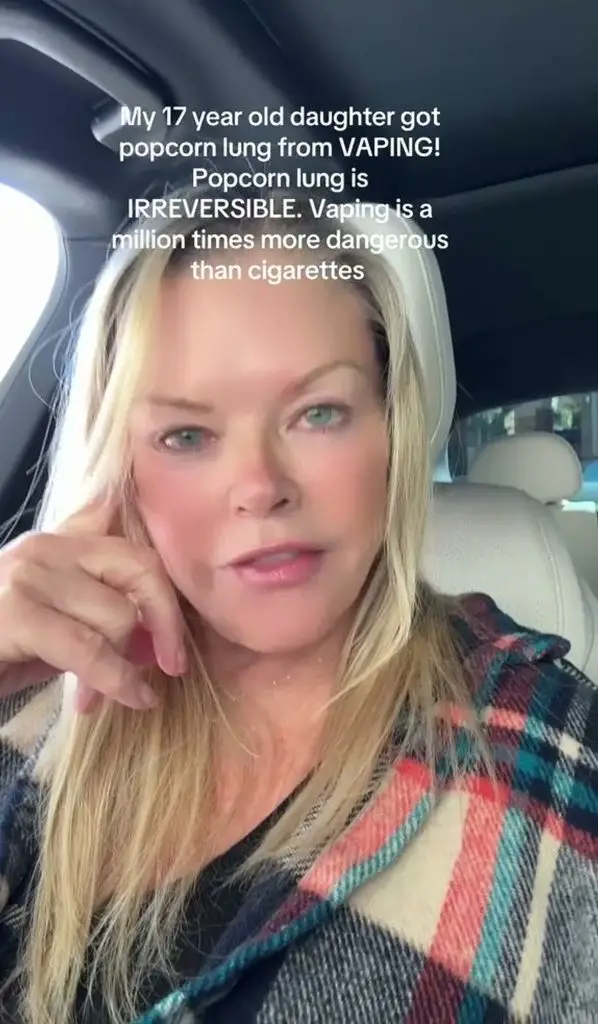
The scientific community supports this call to action. Research has consistently found diacetyl and related compounds in a vast majority of tested e-cigarette liquids. These chemicals, when vaporized and inhaled, can lead directly to lung damage. Brianne’s experience is a powerful, human example of data becoming reality. Her case moves the discussion beyond statistics, providing a clear-eyed look at the potential permanent cost of a habit many young people mistakenly view as safe.