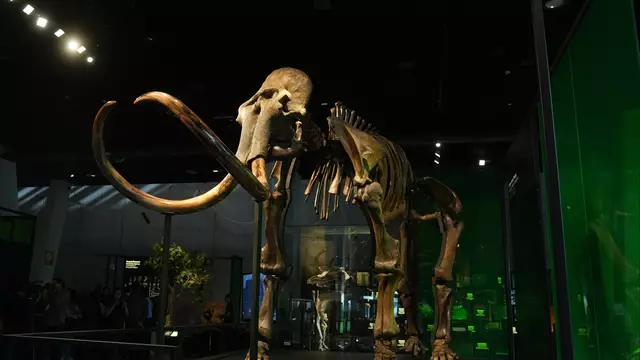
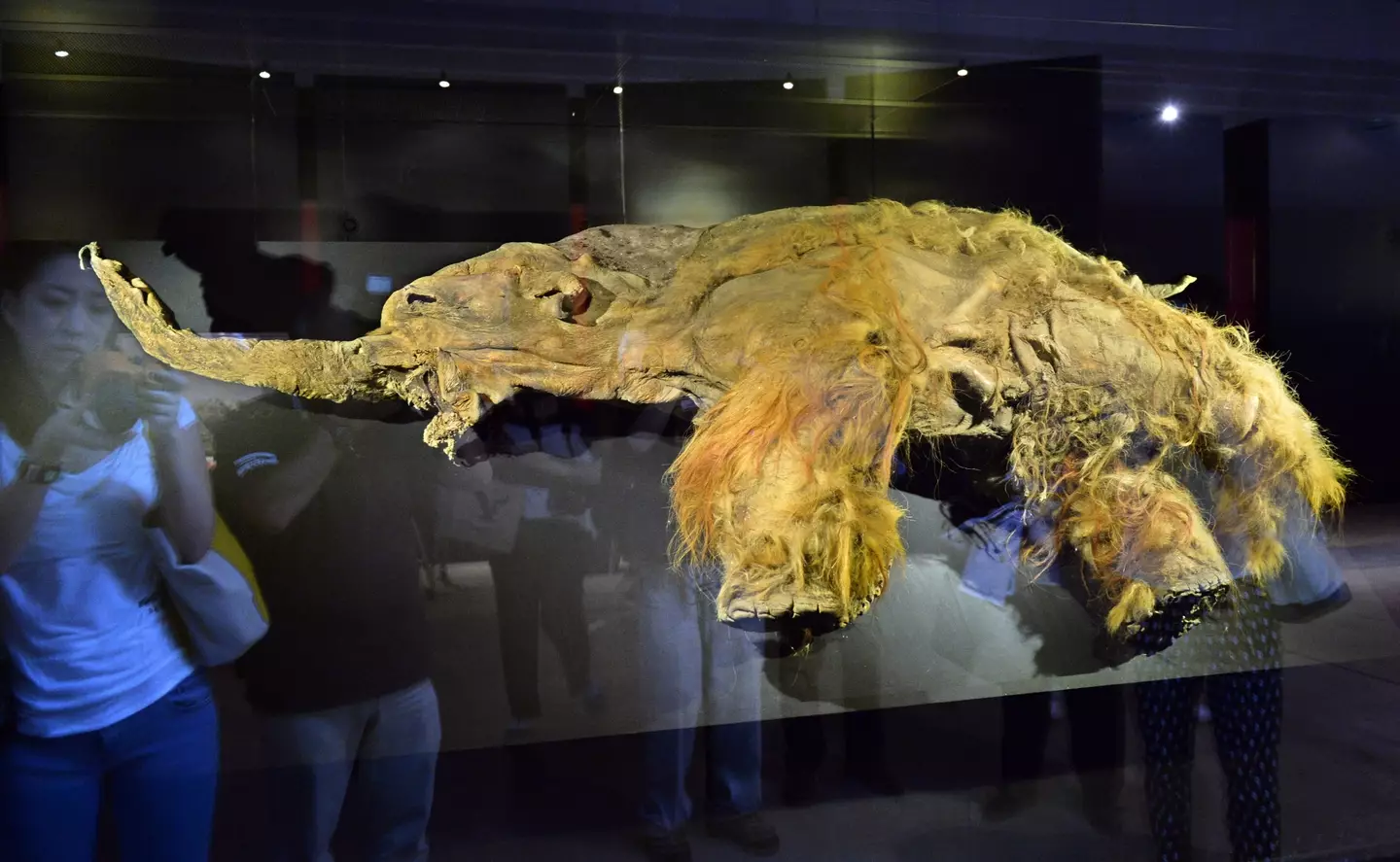
Imagine a world where the legendary woolly mammoth, a creature that vanished thousands of years ago, is no longer just a museum exhibit. Thanks to an incredible scientific discovery, this fantastical idea is inching closer to reality. Researchers have made a breakthrough with a 39,000-year-old baby mammoth named Yuka, found perfectly preserved in the Siberian ice. For the first time, they have managed to recover RNA from the ancient giant, which is like finding the active instruction manual for how to build a mammoth, not just the blueprint.
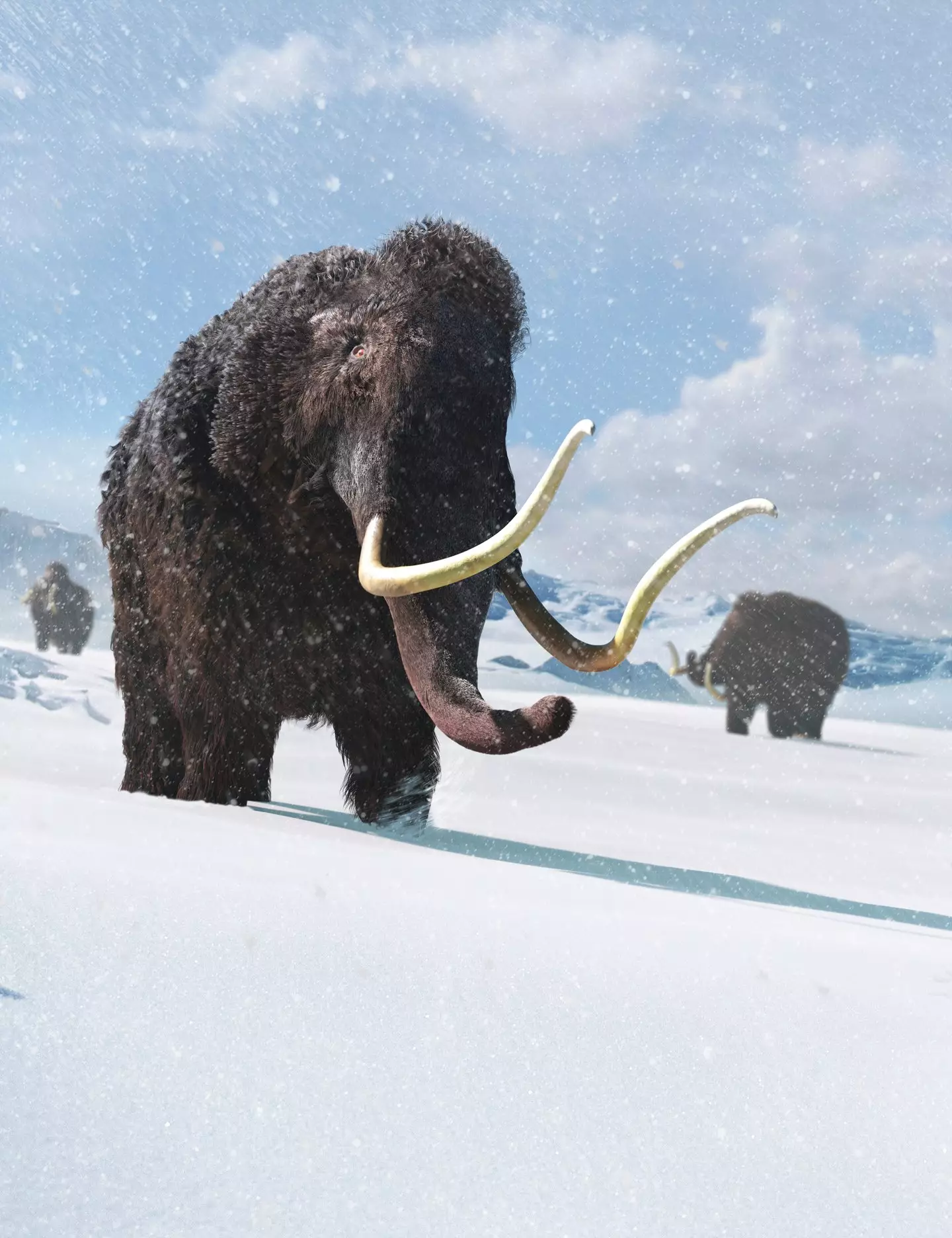
This discovery of such ancient RNA is a world record and a game-changer. It means scientists can now start to understand not just what a mammoth was made of, but how it actually worked at a cellular level. They can learn which genes were switched on to create its shaggy coat, its tiny ears, and its layers of fat. As one researcher put it, this work directly helps the efforts aimed at bringing famous extinct animals back, a process known as “de-extinction.” It’s a thrilling step that makes the impossible seem a little more possible.
But before you expect to see a mammoth at the zoo, there are some huge hurdles to overcome. The biggest question is: where would a baby mammoth grow? The most likely answer is inside an elephant, acting as a surrogate mother. This idea raises serious concerns. The pregnancy would be highly unusual and could be dangerous for the elephant. And what would life be like for the mammoth calf, born into a world without its own kind? It’s a complicated and ethically challenging situation that scientists are still grappling with.
There’s also a bigger-picture debate. Is bringing back the mammoth the best use of our scientific power? Many argue that while it’s an amazing feat, we should focus our energy and resources on saving the magnificent animals we still have, like elephants, tigers, and rhinos, which are critically endangered. The story of the mammoth’s potential return is as much about our future choices as it is about the ancient past. It forces us to ask: just because we can do something, does it mean we should?