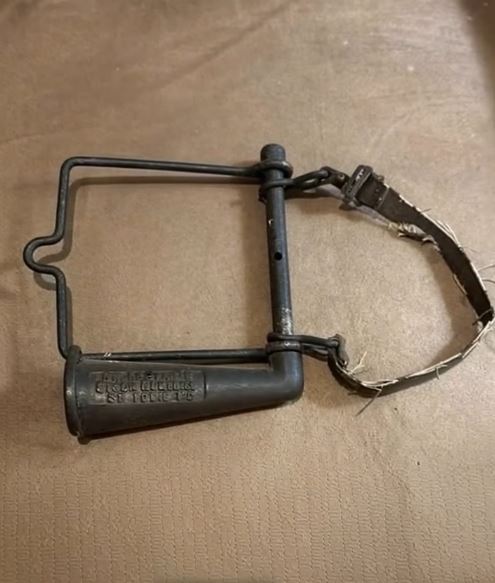
To the untrained eye, it might look like a strange, ornate brass trumpet. But this object, often found with a worn leather strap, is a horse drencher—a vital tool from a bygone era of animal medicine. Before the advent of modern syringes and specialized equipment, this was the primary method for administering liquid medicine to a horse. Its existence speaks to a time when veterinary care was a hands-on craft, relying on practical ingenuity and carefully made tools to treat the working animals that were the backbone of society. The drencher was a simple yet brilliant solution to a difficult problem: how to safely and effectively get medicine down the throat of a large, powerful animal.
Craftsmanship was at the heart of every drencher. Typically forged from solid, non-corrosive brass, each piece was built to last. Many were even personalized with engravings or unique shapes, reflecting the pride a veterinarian or farmer took in their tools. The design was elegantly straightforward. A small funnel led to a tube that ended in a bit, which would gently hold the horse’s mouth open. This allowed the caregiver to pour the medicine, guiding it smoothly down the throat without causing the animal undue stress or injury. Using it required skill, patience, and a calm demeanor, turning a medical procedure into a delicate art form.
The march of progress, however, eventually rendered the drencher obsolete. The 20th century brought significant advances in veterinary science, introducing stomach tubes, modern syringes, and paste dewormers that were faster, more accurate, and far less stressful for the horse. These new tools represented a shift from mechanical craftsmanship to scientific precision, marking a major leap forward in animal welfare and medical efficacy. The drencher was phased out of common practice, becoming a symbol of a past chapter in veterinary medicine.
Today, the horse drencher has found a new life as a collector’s item and a historical artifact. It is admired not for its function, but for its beauty and the story it tells. It serves as a tangible link to the early days of animal care, reminding us of the dedication and resourcefulness of those who tended to animals with the best tools they had. This gleaming piece of brass is more than just an antique; it is a monument to the enduring bond between humans and animals and the timeless desire to provide care and compassion.