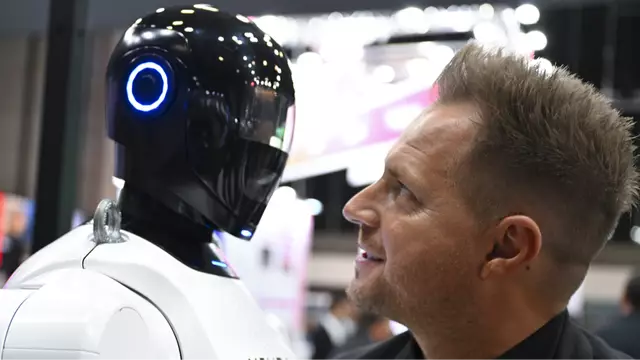
The conversation around AI and jobs often feels like a doomsday forecast, but what if we looked at it as an opportunity? An opportunity to focus on what makes us uniquely human and to build careers that are not just about tasks, but about touch, understanding, and creativity. While it’s true that AI will automate many routine jobs, it simultaneously elevates the value of roles that require emotional intelligence, ethical judgment, and physical skill. The future of work is not a battle against machines, but a renaissance for human connection.

Experts have pinpointed several fields where the human touch is not just preferred, but essential. If you’re in healthcare, education, or the creative arts, your career is built on a foundation that AI cannot replicate. Think about the comfort a nurse provides, the “aha!” moment a teacher facilitates, or the emotional punch of a well-told story—these are the products of human experience, not data processing. Similarly, if you work with your hands in a skilled trade, your ability to navigate the unforeseen challenges of a physical job is a form of intelligence that AI is miles away from achieving.
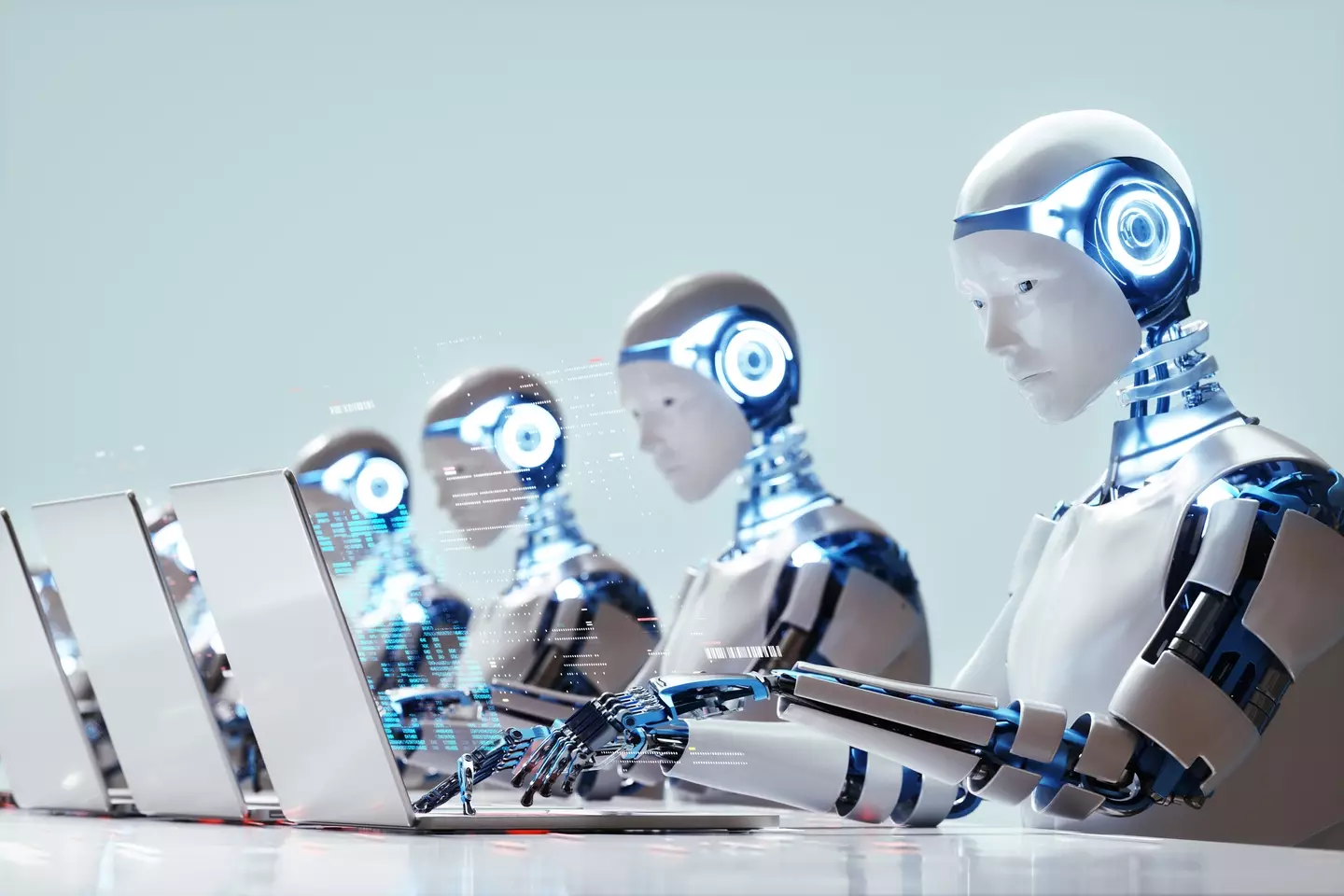
So, what is your superpower in this new landscape? It’s your innate human flexibility. Unlike AI, which operates within its programming, you can learn, adapt, and grow in unexpected ways. The most successful people will be those who befriend AI, using it as a tool to handle repetitive tasks, which in turn frees them up to do the more rewarding, human-centric parts of their jobs. Imagine a designer using AI to generate basic concepts so they can focus on the nuanced creative direction, or a manager using AI for scheduling to dedicate more time to team development.

To make your own career AI-resistant, start by investing in yourself. Actively work on your soft skills like communication, empathy, and collaboration. Be curious and commit to lifelong learning, especially about the AI tools relevant to your field. Network with intention, building relationships that foster collaboration and new opportunities. By focusing on these human advantages, you’re not just securing your job; you’re positioning yourself to do more meaningful, impactful work than ever before. The age of AI isn’t the end of human potential—it’s the beginning of a new chapter where our most human qualities are our greatest assets.