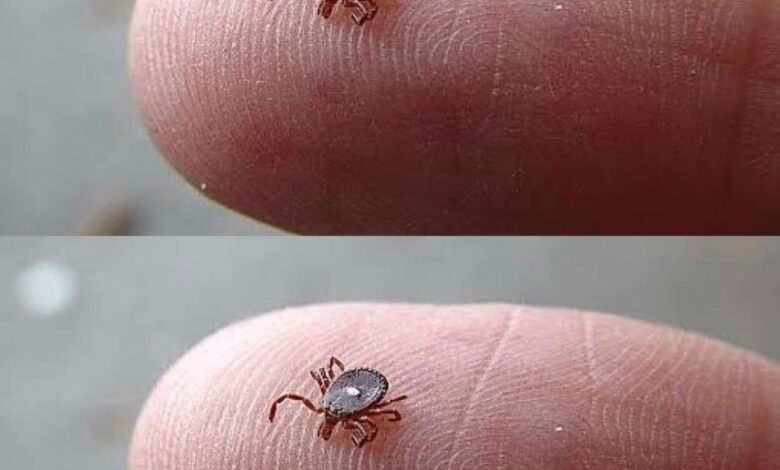
The Tiny Spotted Parasite and What to Do After a Tick Bite
Encounters with ticks can be unsettling, especially when they happen unexpectedly. A small dark speck on the skin may not seem significant at first, but once identified as a tick, it often raises immediate concern. Understanding how to respond calmly and correctly is essential for reducing potential health risks and maintaining peace of mind.
Ticks are small parasites that attach to the skin and feed on blood. While many bites are harmless, some ticks can carry pathogens that may lead to illness. This is why proper handling, removal, and follow-up care are important steps after discovering one.
Safe and Careful Removal
If a tick is found attached to the skin, the first priority is to remove it properly. The recommended method involves using fine-tipped tweezers to grasp the tick as close to the skin’s surface as possible. With steady, even pressure, the tick should be pulled straight out without twisting or jerking.
This technique helps reduce the likelihood of leaving parts of the tick embedded in the skin, which could increase the risk of irritation or infection. Once removed, the bite area should be cleaned thoroughly with soap and water or an antiseptic solution.
Some people choose to place the tick in a sealed container or bag and note the date and location of the bite. While not always necessary, this can be useful if medical advice is later required.
Monitoring After the Bite
After removal, attention should shift to observation. Most tick bites do not lead to complications, but monitoring the area and overall health in the following days and weeks is a responsible precaution.
Key signs to watch for include unusual skin reactions, such as expanding redness, as well as general symptoms like fever, fatigue, or muscle discomfort. These signs do not automatically indicate illness, but they may warrant medical consultation if they appear or persist.
It is also helpful to be aware of changes in how the body feels over time. Subtle symptoms can sometimes develop gradually, so maintaining awareness without becoming overly anxious is important.
Reducing Exposure Risk
Experiencing a tick bite often leads to greater awareness of outdoor safety. Ticks are commonly found in grassy, wooded, or humid environments, where they can easily attach to clothing or skin.
Simple preventive measures can significantly reduce exposure risk. Wearing long sleeves and pants in high-risk areas, keeping grass trimmed, and using appropriate insect repellents are widely recommended practices.
Checking clothing, skin, and pets after spending time outdoors is another effective habit. Early detection makes removal easier and reduces the chance of prolonged attachment.
Pets and Household Awareness
Pets can also carry ticks into the home, so regular inspection of their fur is important, especially after outdoor activity. This step helps protect both the animal and the household environment.
Maintaining a clean and well-managed yard can further limit the presence of ticks. Reducing tall grass, removing leaf litter, and minimizing shaded, damp areas can make the space less attractive to these parasites.
Understanding Potential Health Concerns
Some tick species are associated with specific health conditions. One example that has gained attention is a condition known as Alpha-gal syndrome, which can affect how the body responds to certain foods.
It is important to note that such outcomes are relatively uncommon and not every tick bite leads to illness. However, awareness helps individuals make informed decisions about when to seek medical guidance.
Healthcare professionals can provide evaluation and testing if symptoms suggest a possible tick-borne condition. Early consultation is always the safest approach when uncertainty arises.
Balancing Awareness and Everyday Life
While tick encounters can feel alarming, they do not need to lead to ongoing fear. With the right knowledge and precautions, outdoor activities can continue safely and confidently.
Adopting simple protective habits allows individuals and families to enjoy nature while minimizing risks. Over time, awareness becomes part of a routine rather than a source of stress.
Final Thoughts
A tick bite is best approached with calm attention and practical action. Proper removal, basic hygiene, and thoughtful observation are usually sufficient steps in most cases.
Understanding the environment, recognizing potential signs of concern, and maintaining preventive habits all contribute to long-term well-being. With these measures in place, it is possible to stay informed, prepared, and comfortable when spending time outdoors.