The Little Cabin in the Smoky Mountains Where a Legend Was Born
Deep in the rolling hills of East Tennessee, surrounded by thick forests, rocky paths, and the quiet beauty of the Appalachian Mountains, there stood a small wooden cabin that seemed too humble to become part of American music history.
It had no luxury. No electricity. No running water. No expensive instruments. No sign that anything extraordinary would ever happen inside its walls.
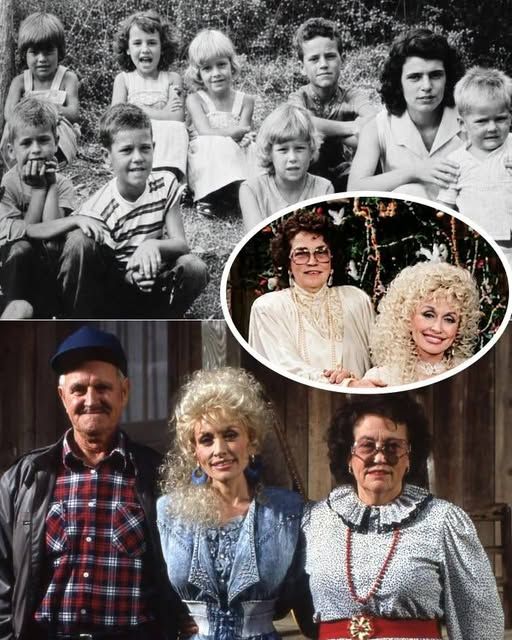
But within that tiny home lived a woman whose greatest creation was not a song, a business, or a famous performance. Her greatest creation was a family — twelve children who would carry the lessons of love, faith, resilience, and music far beyond those mountain roads.
Her name was Avie Lee Owens Parton.
Long before the world knew Dolly Parton as a global superstar, actress, philanthropist, and one of the most successful songwriters in history, she was simply a little girl growing up in a crowded cabin, listening to the voice of her mother.
That voice was not trained in a music school. It did not come from a famous stage. It came from hardship, faith, and generations of Appalachian tradition.
Avie Lee sang because singing was survival.
She sang while cooking meals that were barely enough for everyone. She sang while washing clothes by hand. She sang when winter winds slipped through cracks in the walls. She sang when children were sick. She sang when there was no money and no certainty about tomorrow.
Those songs carried something more powerful than entertainment.
They carried hope.
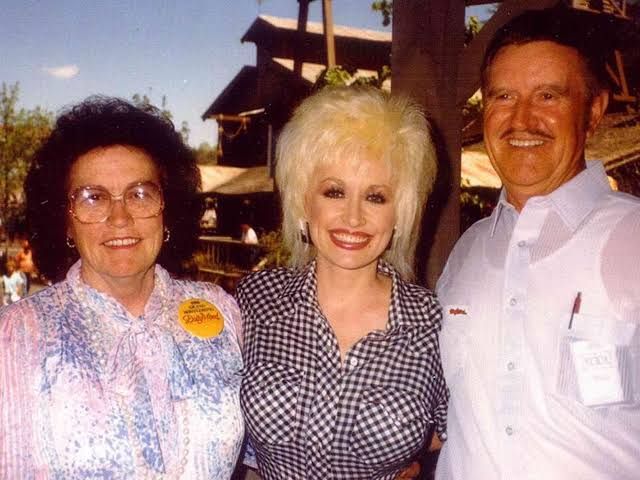
And for a young Dolly Parton, those melodies became the first lessons in storytelling, emotion, and the human experience.
The world would later hear Dolly’s voice on the biggest stages in America, but the roots of that voice began in a one-room cabin where a mother taught her children that even the poorest people could possess something priceless: dignity.
A Mother’s Impossible Mission: Raising Twelve Children With Almost Nothing
Avie Lee Parton was born into the Appalachian way of life, where families depended on one another and where survival required determination every single day.
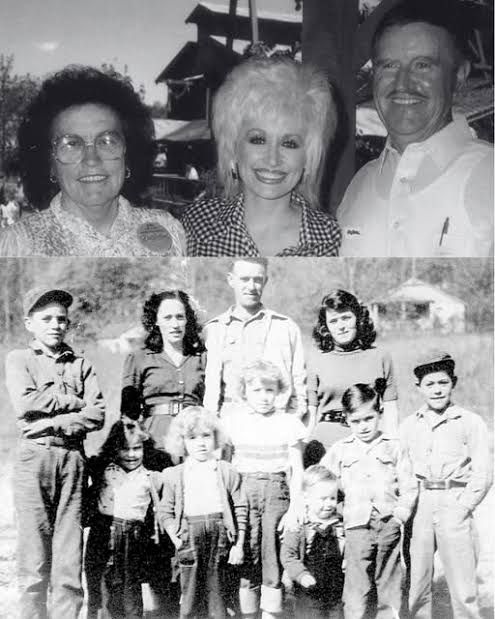
When she married Robert Lee Parton, she became the heart of one of the largest families in the region. Together, they welcomed twelve children:
Willadeene, David, Denver, Dolly, Bobby, Stella, Cassie, Randel, Larry, Floyd, Frieda, and Rachel.
For modern families, raising twelve children would seem overwhelming even with every convenience available.
But Avie Lee did it in a time when poverty was a daily reality.
The Parton family lived in Sevier County, Tennessee, in a small cabin located near the Great Smoky Mountains. Their home became famous because of its simplicity — a place where children shared beds, meals were carefully divided, and every possession had a purpose.
The family often struggled financially. Robert Lee Parton worked hard as a farmer and laborer, but money was scarce. The children learned early that nothing was wasted.
A piece of clothing could be repaired again and again.
Food had to stretch across many plates.
A broken object was not immediately replaced.
Instead, someone found a way to fix it.
Yet those who knew the Parton family often remembered something surprising.
Despite their poverty, the home was filled with warmth.
Avie Lee created an environment where her children never felt poor in spirit.
She believed that love could make a small house feel like a mansion.
She believed that stories could feed the imagination when food was limited.
She believed that music could comfort the soul when life was difficult.
That belief would shape Dolly forever.
The Sound of Appalachia: How Avie Lee Passed Down a Musical Heritage
The Appalachian Mountains have always been a place where music carried the memories of generations.
Before radios became common, families preserved their history through songs.
Ballads told stories of love, loss, tragedy, courage, and faith. They traveled from one generation to another through voices rather than written pages.
Avie Lee was part of that tradition.
She knew old mountain songs that had been passed down through families for decades. Many of these melodies came from European folk traditions brought by immigrants who settled in Appalachia centuries earlier.
Over time, these songs changed. They absorbed the experiences of mountain communities. They became uniquely Appalachian.
Inside the Parton cabin, those songs became a soundtrack of childhood.
Dolly later described her mother as someone who had a natural gift for storytelling.
Avie Lee did not simply sing words.
She painted pictures.
When she sang about lost love, children could feel the sadness.
When she sang about faith, they felt comfort.
When she sang about hardship, they understood that pain was something people could survive.
This emotional connection to simple stories became one of Dolly Parton’s greatest artistic strengths.
Many of Dolly’s most famous songs are built around the same foundation her mother gave her: ordinary people, difficult circumstances, and the extraordinary strength found inside human hearts.
Her songwriting became a continuation of those Appalachian conversations around the cabin.
The Homemade Instruments That Inspired a Future Superstar
The Parton family could not afford expensive musical instruments.
But Avie Lee refused to allow poverty to silence creativity.
Where others saw limitations, she saw possibilities.
She encouraged her children to make music with whatever they had.
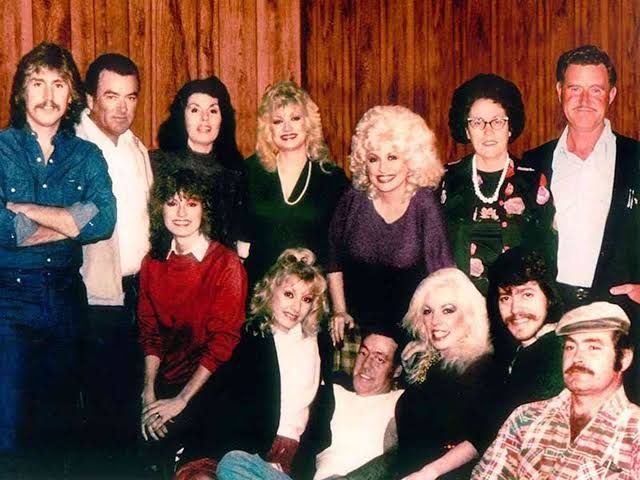
Simple household items became sources of rhythm. Homemade instruments replaced things they could not buy.
The children learned that music was not about expensive equipment.
It was about emotion.
It was about connection.
It was about telling the truth.
For Dolly, this lesson became fundamental.
Years later, when she became one of the most recognizable musicians in the world, she never forgot those early days.
She often spoke about how her childhood shaped her understanding of creativity. She learned that great art does not come from wealth or perfection.
It comes from experience.
It comes from memories.
It comes from people.
The little cabin may not have had a piano, but it had something more important.
It had stories.
The Coat of Many Colors: A Mother’s Love Sewn Into History
Among all the memories Dolly Parton shared about her childhood, one story became legendary.
It was the story of a handmade coat.
During her childhood, Dolly needed a warm jacket for school. The family had very little money, and buying a new coat was impossible.
So Avie Lee collected scraps of fabric and carefully stitched them together.
Piece by piece.
Thread by thread.
She created a coat from donated materials, turning leftovers into something meaningful.
The coat was colorful and unique.
To Avie Lee, it represented love.
She wanted her daughter to understand that being poor did not mean being less valuable.
While sewing, she told Dolly the biblical story of Joseph and his coat of many colors.
She transformed a difficult moment into a lesson about pride and identity.
But when Dolly wore the coat to school, she discovered that other children did not see it the way her mother did.
They saw something different.
They laughed.
They teased her.
They did not understand the love behind every stitch.
That painful experience stayed with Dolly.
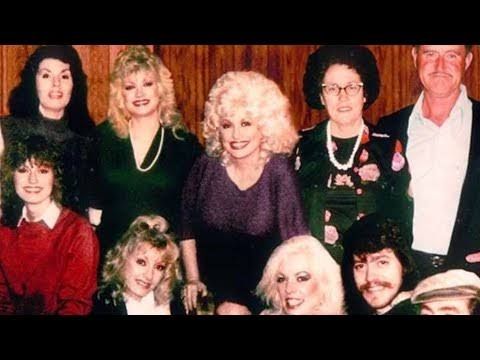
Years later, she turned the memory into one of her most beloved songs, “Coat of Many Colors.”
The song became more than a story about a jacket.
It became a message to anyone who has ever felt embarrassed by circumstances they could not control.
It reminded people that love is worth more than wealth.
That memory from a poor Tennessee school became one of the most powerful songs in country music history.
And it all began with a mother sitting quietly, sewing scraps together by hand.
The First Time Dolly Sang in Public
Before Dolly Parton became a worldwide performer, her first stage was a small church in the mountains.
Avie Lee recognized something special in her daughter.
She noticed that Dolly had a voice that carried emotion beyond her young age.
At only six years old, Dolly was encouraged to stand in front of the congregation and sing.
For a little girl from a poor family, standing before a crowd could have been frightening.
But her mother gave her confidence.
Avie Lee understood that talent needed encouragement.
She did not see Dolly as just another child helping around the house.
She saw possibility.
That moment in church became the beginning of a lifelong journey.
The little girl who once sang in a mountain church would eventually perform before millions of people around the world.
But no matter how famous she became, Dolly always remembered where her voice started.
It started with her mother.
A Mother’s Faith During the Hardest Days
Life in the Parton household was not easy.
There were moments of hunger.
There were illnesses.
There were fears about the future.
But Avie Lee had a powerful ability to create hope even when circumstances were difficult.
Her faith was central to her life.
She taught her children that struggles were temporary, but character lasted forever.
She taught them kindness.
She taught them forgiveness.
She taught them to appreciate what they had instead of focusing only on what they lacked.
These lessons became part of Dolly’s personality.
Even after achieving enormous success, Dolly remained known for her generosity and humility.
Her charitable work, including her famous Imagination Library program that provides books to children, reflects many of the values she learned from her parents.
The world sees Dolly Parton as a celebrity.
But behind that image is the little girl from a Tennessee cabin who learned that helping others matters.
The Woman Behind the Legend
Avie Lee Parton never became famous.
She did not stand under bright lights.
She did not receive the attention her daughter later received.
But her influence reached millions of people.
Every time Dolly sings about family, hardship, love, or hope, a piece of Avie Lee lives inside those words.
Every time Dolly tells a story about ordinary people with extraordinary hearts, she is continuing the tradition her mother began.
Avie Lee gave her daughter more than music.
She gave her perspective.
She taught her how to find beauty in simple things.
She taught her how to turn pain into art.
She taught her that a person’s worth is not measured by possessions.
It is measured by kindness, courage, and love.
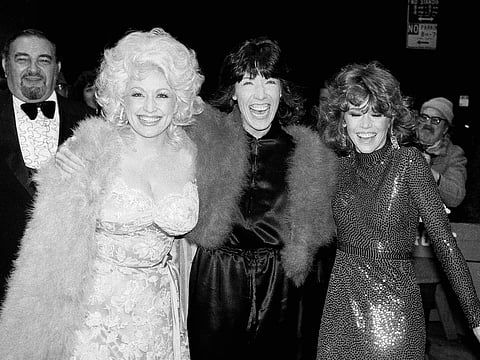
The Legacy of a Mountain Mother
Today, the small cabin where Dolly Parton grew up remains a symbol of humble beginnings and incredible dreams.
Millions of fans visit the Smoky Mountains and think about the family who once lived there.
They think about the little girl who became a legend.
But behind that legend was a mother who worked quietly.
A mother who sang.
A mother who stitched scraps of cloth into a symbol of love.
A mother who showed twelve children that even in the hardest circumstances, life could still contain beauty.
Avie Lee Parton never wrote a hit song.
She never recorded an album.
She never received worldwide fame.
But she created something much greater.
She created the foundation for one of the most beloved artists in American history.
The music that began inside a small Tennessee cabin traveled across the world.
The stories told by a mother became songs sung by millions.
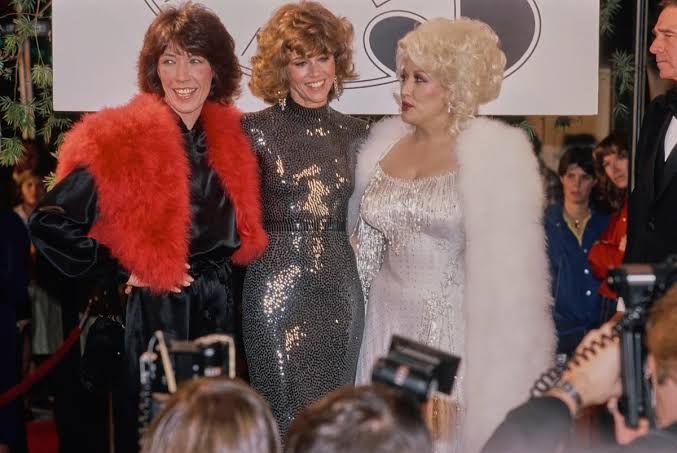
And the voice that comforted children through cold nights became the inspiration behind a woman whose music continues to bring comfort, laughter, and hope to generations.
Because before Dolly Parton became a star…
She was simply a little girl listening to her mother sing.