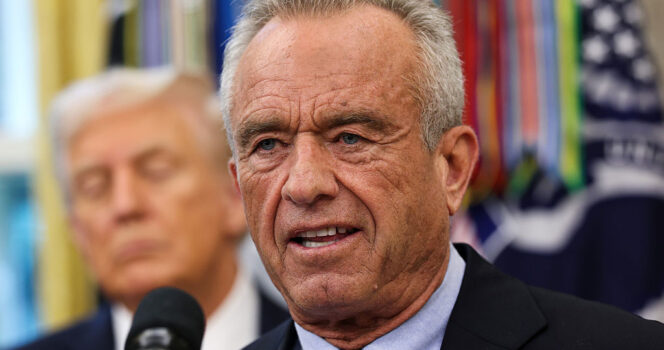
A recent cabinet meeting has ignited a fierce debate that stretches far beyond medicine into the realms of public trust and free speech. Health Secretary Robert F. Kennedy Jr. used the platform to reiterate his personal theories connecting autism to common painkillers and infant circumcision, claims that have been consistently debunked by scientific experts. The event has forced a national conversation about the responsibilities of public figures and the line between expressing a personal opinion and spreading potential misinformation from a position of power.
Kennedy’s comments, made directly to former President Donald Trump, insisted on a link between Tylenol and autism despite his admission that conclusive proof is lacking. He expanded his argument to include circumcision, creating a layered theory that has been dismissed by organizations like the National Autistic Society as “dangerous” and “anti-science.” The core of the criticism is that such statements, when delivered by a high-ranking official, can lend undeserved credibility to unproven ideas, potentially influencing the health choices of countless families.
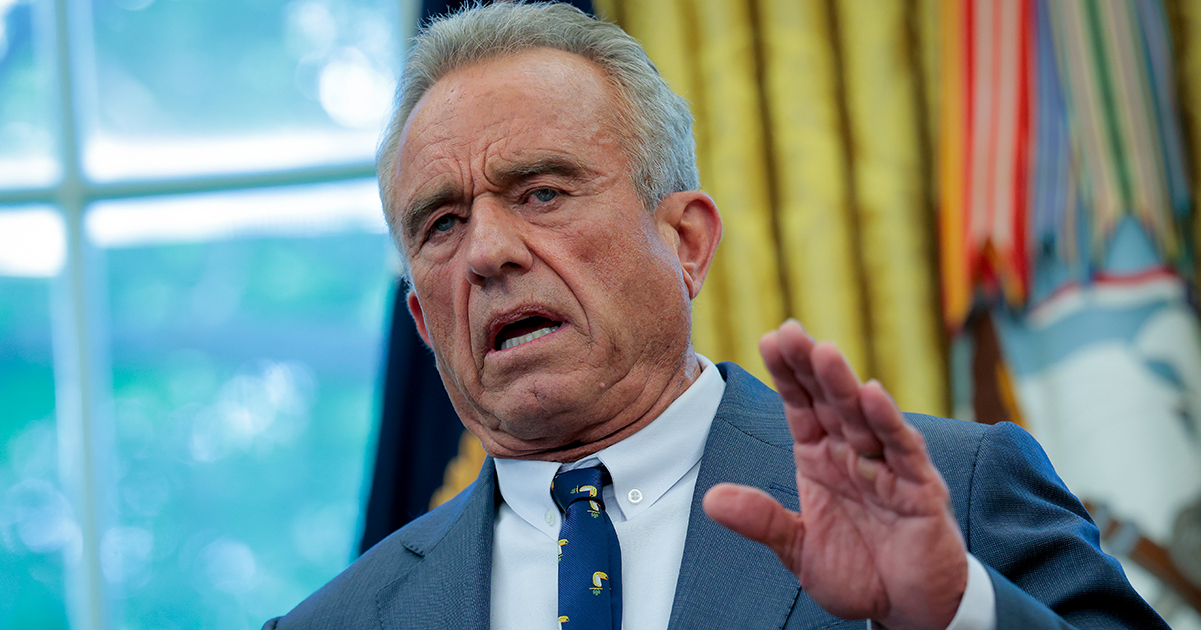
The situation is complicated by a demonstrated looseness with factual details, such as the mistaken reference to a baby developing in the “placenta” instead of the uterus. For critics, these errors compound the problem, suggesting a pattern of speaking with authority on subjects where foundational knowledge may be lacking. This has led to broader concerns about the integrity of public health messaging and whether those in charge are prioritizing ideological beliefs over evidence-based science.
Proponents of Kennedy’s right to speak out might argue that challenging established norms is how science progresses and that open dialogue is essential. However, the counter-argument is that with the immense platform of a cabinet seat comes a profound responsibility. Misinformation in public health can have tangible consequences, from causing unnecessary parental guilt and fear to discouraging people from using safe and effective medications.
RFK Jr: There are two studies that show children who are circumcised early have double the rate of autism. It's highly likely because they were given Tylenol."
Wut
pic.twitter.com/dliR1agiEJ— Republicans against Trump (@RpsAgainstTrump) October 9, 2025
The fundamental question now being asked across the country is not just about the specific claims, but about accountability itself. Should a Health Secretary be held to a different standard when discussing medical science? As the government’s top health official, his words are inherently influential, blurring the line between personal free speech and an official endorsement of a viewpoint that contradicts the consensus of experts tasked with protecting the nation’s health.