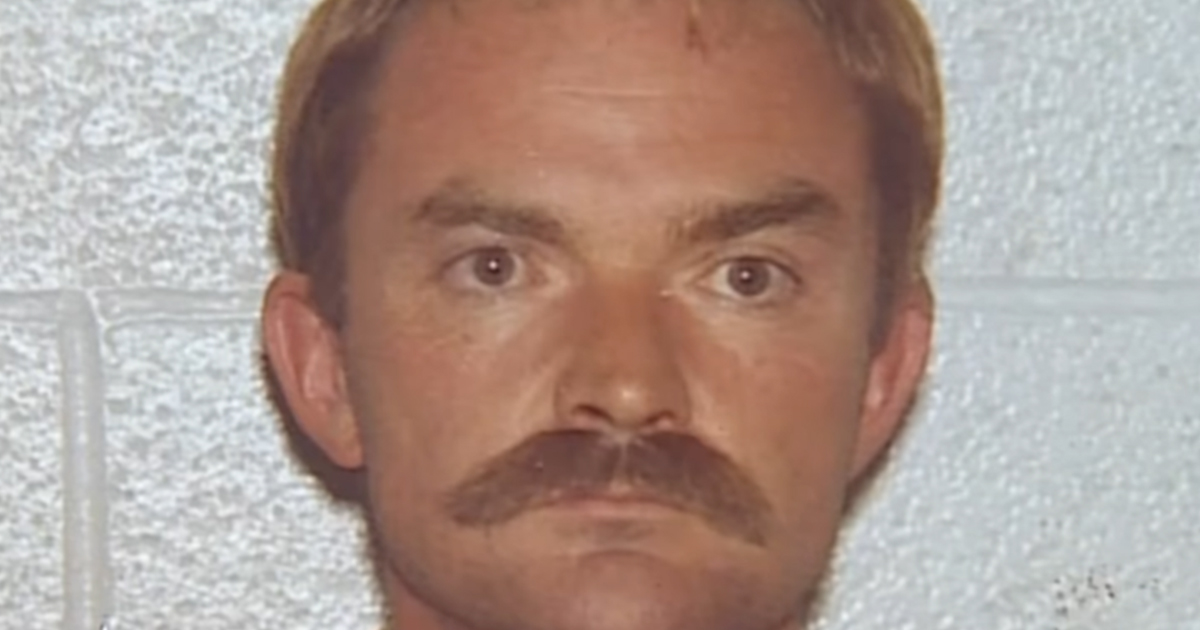
The concept of “the banality of evil” finds a terrifyingly perfect example in the case of Randy Steven Kraft. His story is not one of a cartoonish villain, but of a man whose intelligence and ordinary appearance concealed a methodical and sadistic serial killer. The facts of his life trace an arc from a quiet, meticulous boy in post-war California to one of the state’s most prolific and organized predators. His childhood in a working-class home was marked by a strange quietness, with an early obsession for order and control that foreshadowed the dark compulsions that would later dominate his life.
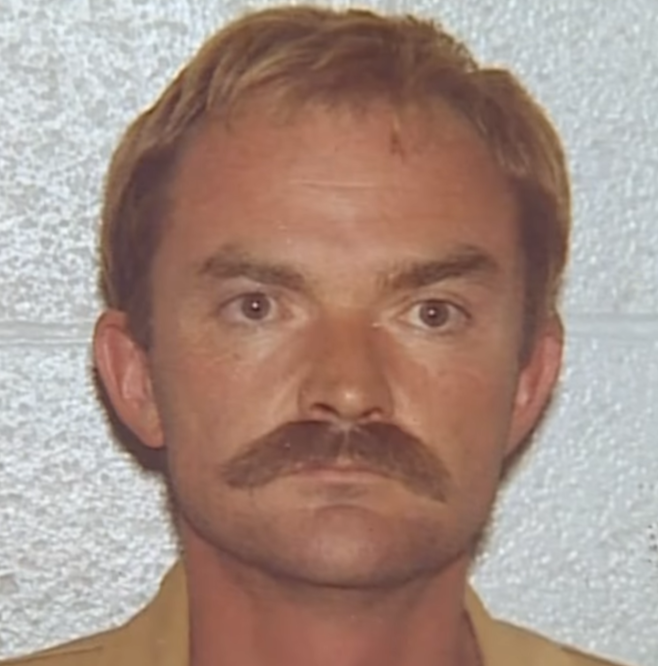
Kraft’s early adulthood was a period of significant contradiction. He presented as a clean-cut, conservative student, yet in college, he underwent a profound shift. He emerged with a new political consciousness and, more critically, began to acknowledge his homosexuality during a time when it carried severe social and professional consequences. His discharge from the Air Force Reserve for being gay was a pivotal moment, severing him from a structured institution and coinciding with his drift into the drug-influenced nightlife of Long Beach. It was here that the polite, well-spoken computer programmer began his secret, second life.
While Kraft maintained a facade of normalcy, holding down jobs and engaging with friends, he was simultaneously hunting. His victims were typically young men he encountered in bars or along the road, whom he would lure with offers of drinks or a place to stay. His method was consistent and cruel: he would drug them, overpower them, and subject them to torture before murdering them and discarding their bodies. For over a decade, he operated with impunity, his crimes spreading fear across multiple California counties as law enforcement struggled to identify a suspect who left few clues and seemed to have no obvious motive.
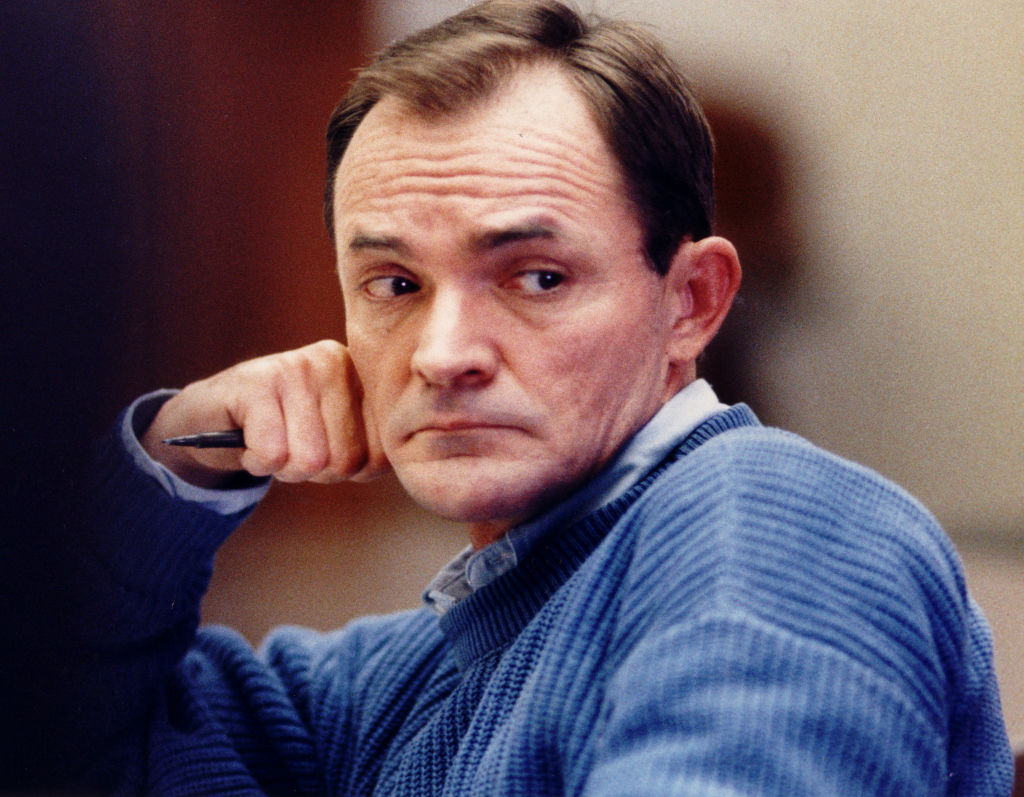
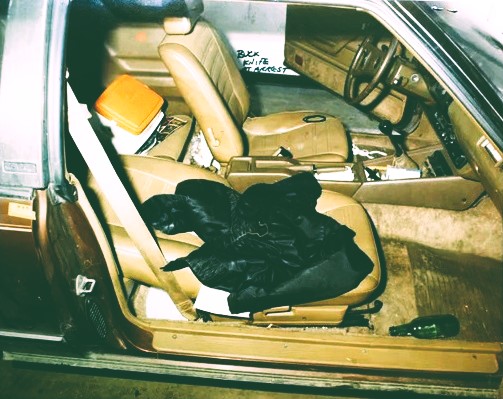
The entire investigation hinged on a twist of fate in the spring of 1983. A traffic stop on the 405 Freeway revealed a dead body in Kraft’s car, leading to his immediate arrest. The subsequent search of his possessions provided a window into his twisted mind. Beyond the drugs and personal effects of victims, investigators found a meticulously kept list of cryptic phrases. This “scorecard,” as it became known, was believed to be his encoded record of murders, a cold-blooded ledger that transformed human lives into mere entries. This evidence became the centerpiece of the prosecution’s case.
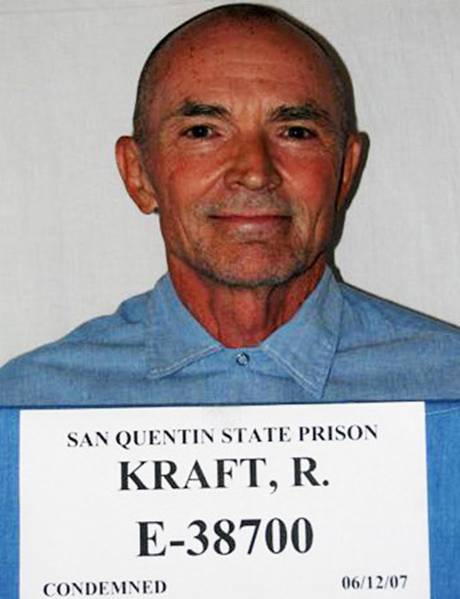
Convicted in 1989 for 16 murders and sentenced to death, Kraft never admitted his guilt, offering only a calm denial in court. The case remains open in the minds of many detectives, who are convinced his list points to dozens more victims whose families still await answers. Retired investigators who have met him describe a “bitter old man” whose ordinary appearance is the most frightening thing about him. Randy Kraft’s legacy is a haunting testament to the fact that true evil does not always snarl; sometimes, it looks back at you with the calm, unremarkable eyes of a neighbor.