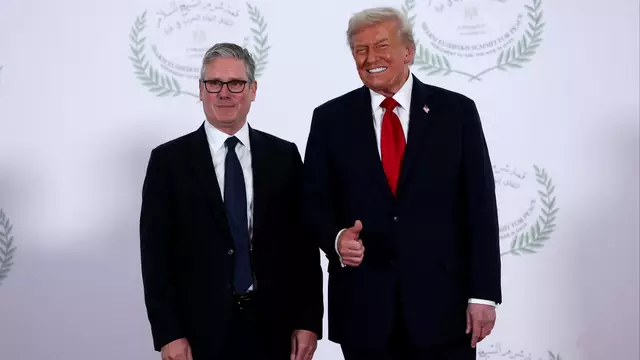
UK Prime Minister Sir Keir Starmer has broken his silence on the escalating row between the BBC and Donald Trump, delivering a statement that balanced criticism with staunch support. The conflict was ignited by a Panorama documentary that the former US president claims defamed him by misleadingly editing a clip from his January 6th speech. Trump has threatened to sue the broadcaster for what he estimates could be up to five billion dollars, alleging the program “defrauded” its audience.
The issue was thrust into the parliamentary spotlight by Liberal Democrat leader Sir Ed Davey, who framed Trump’s legal threat as an attack on the BBC itself and a danger to press freedom. In his reply, Prime Minister Starmer offered a nuanced perspective that did not dismiss the concerns raised about the BBC’s editorial judgment. His central message to the broadcaster was a succinct five-word piece of advice: it must “get its house in order.”
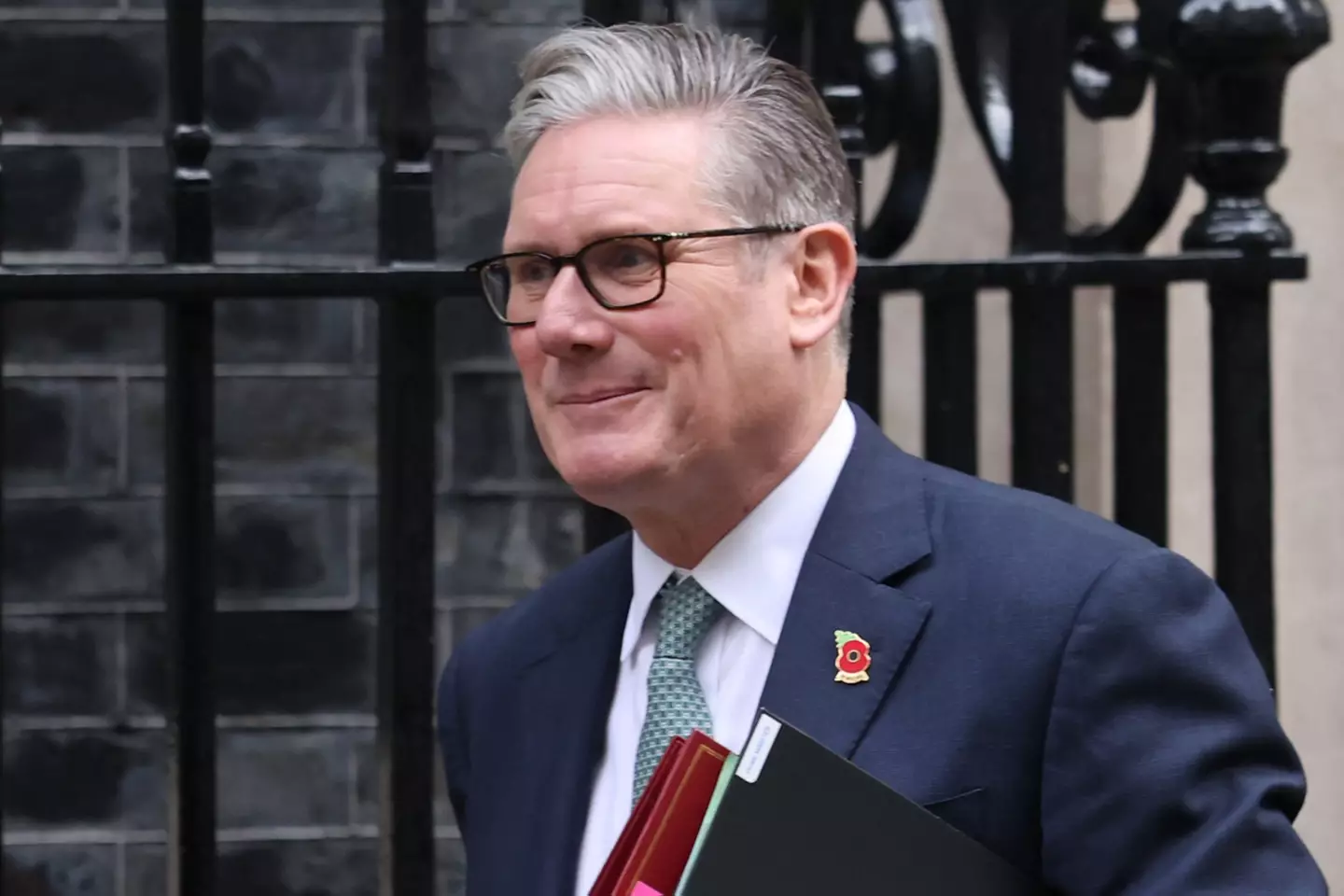
This directive underscored the seriousness of the situation for the BBC, which is facing intense scrutiny from both inside and out. The Prime Minister emphasized the need for the organization to be accountable and to correct its errors quickly when mistakes occur. This internal turmoil is compounded by a leaked internal review that criticized the BBC’s impartiality on other major issues, leading to high-level resignations within the corporation’s leadership.
Yet, Starmer was unequivocal in his broader defense of the public service broadcaster. He immediately followed his call for internal reform with a pledge to always stand up for a strong and independent BBC. He positioned the institution as a crucial bulwark against the rising tide of global disinformation, making its role more important than ever despite its current challenges. This dual stance aims to validate concerns about procedural failures while insulating the BBC from external political pressure.
The BBC, for its part, has expressed regret for the editing error but strongly disputes that there is any basis for a defamation claim. As the corporation navigates this high-stakes dilemma, it finds itself caught between implementing necessary internal reforms and resisting a colossal legal challenge from one of the world’s most litigious political figures, all under the watchful eye of a prime minister demanding both accountability and resilience.