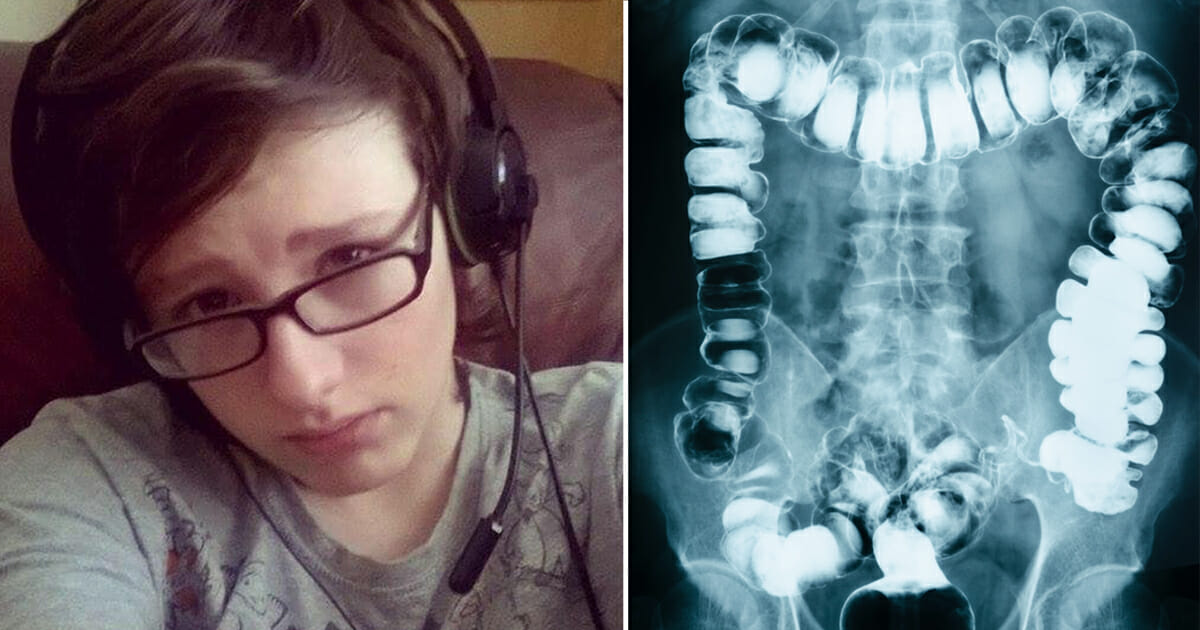
The story of Jack Dunn is a sobering reminder of how a routine hospital visit can end in unimaginable loss. The 17-year-old from Wales was taken to the emergency room in extreme pain, unable to walk. His parents placed their full faith in the medical team to find the source of his agony. After conducting tests, including a scan to rule out appendicitis, doctors were reportedly baffled but settled on a diagnosis of bad constipation. This critical error in judgment set a tragic sequence of events into motion.
Sent home with only laxative medicine, Jack’s condition was far more dire than anyone realized. He was suffering from diabetic ketoacidosis, a dangerous complication of undiagnosed type 1 diabetes. The condition causes the body to become acidic due to a buildup of ketones, and it requires immediate medical intervention. Within a single day of leaving the hospital, Jack was discovered deceased in his own bed by his father, a scene no parent should ever have to witness.
His family looks back on the hospital visit with the painful clarity of hindsight. They recall that Jack’s difficulty breathing was dismissed as anxiety, when it was, in fact, a hallmark symptom of his organs failing. A fundamental test—a simple check of his blood sugar levels—was never performed. This test would have immediately revealed the dangerously high glucose levels associated with ketoacidosis and prompted the life-saving treatment of insulin that Jack desperately needed.
Jack’s passing highlights the vital importance of recognizing the symptoms of diabetic ketoacidosis, especially in young people who may not know they have diabetes. Warning signs extend beyond abdominal pain and can include overwhelming fatigue, confusion, excessive thirst, rapid breathing, and an increased need to urinate. By sharing their painful experience, Jack’s family aims to turn their grief into a force for awareness, hoping that others will be spared their pain by encouraging more thorough investigations when these symptoms appear.