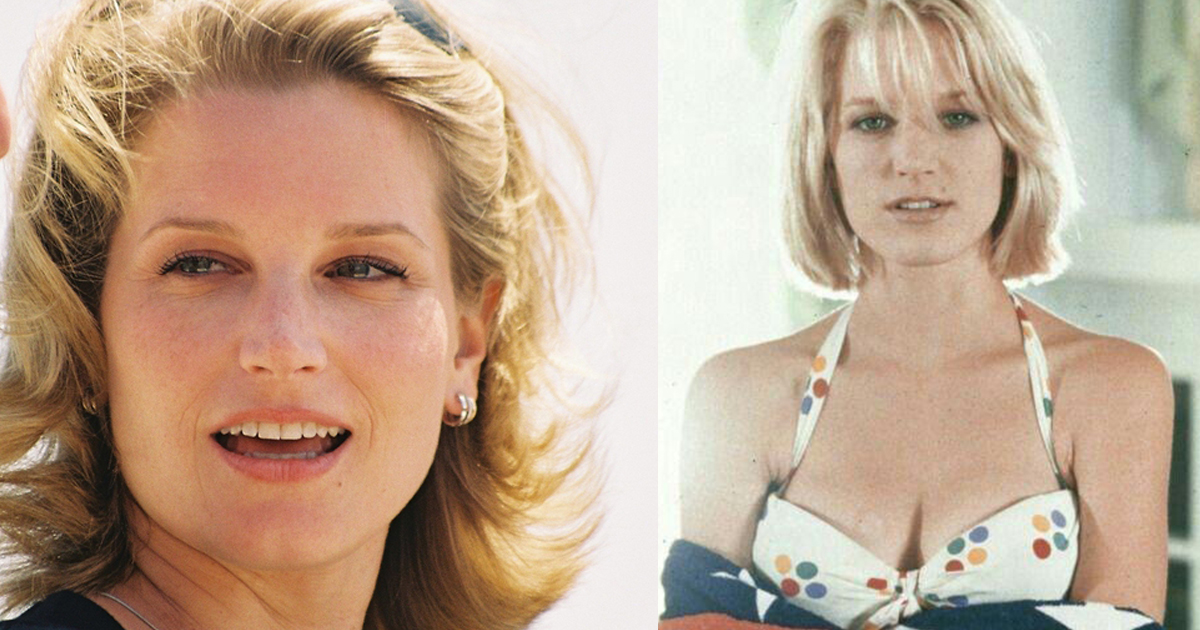
For fans of 1990s cinema, the name Bridget Fonda evokes a specific and beloved presence. With her effortless charm and sharp talent, she lit up screens in cult classics and major studio films alike. She was Hollywood’s “It” girl, carrying the weight of her famous family name with a seemingly relaxed grace. Then, at the height of her career, she wrote her own ending, leaving the film industry behind for a world that valued privacy over publicity. Her departure was so complete that it has become one of Hollywood’s most compelling “what if” stories, yet for Fonda, it was clearly a “why not” decision.

Growing up as part of the Fonda legacy, acting was both an inheritance and a personal passion. Despite the fame of her father Peter and aunt Jane, she carved her own path, earning critical acclaim for roles in “Scandal” and “Single White Female.” She was a working actress, consistently delivering memorable performances without getting caught up in the trappings of movie stardom. In interviews, she expressed a near-indifference to the pressure of her name, focusing instead on the work itself. This pragmatic attitude perhaps foreshadowed her eventual exit; for her, acting was a job, not her entire identity.

The turn of the century marked a turning point in her personal life, which directly influenced her professional trajectory. After high-profile relationships, she found lasting love with composer Danny Elfman. They married in 2003, and with the birth of their son, her focus shifted dramatically. The demanding schedule of an actor, with its long shoots and promotional tours, was incompatible with the family life she wanted to build. Her last acting credit was in 2002, and she has never looked back, embracing her new role as a wife and mother with the same dedication she once gave to her films.

The public has caught only fleeting glimpses of her since her retirement. Occasional paparazzi photos taken at airports or on casual outings have sparked unwarranted commentary about her appearance, with some critics cruelly labeling her “unrecognizable.” However, these superficial observations completely miss the narrative. The transformation is not one of neglect, but of choice. She is no longer playing a part for an audience; she is simply living her life. Supporters online have rightly defended her, noting she looks “happy and relaxed,” and praising her for aging naturally and gracefully away from Hollywood’s pressures.


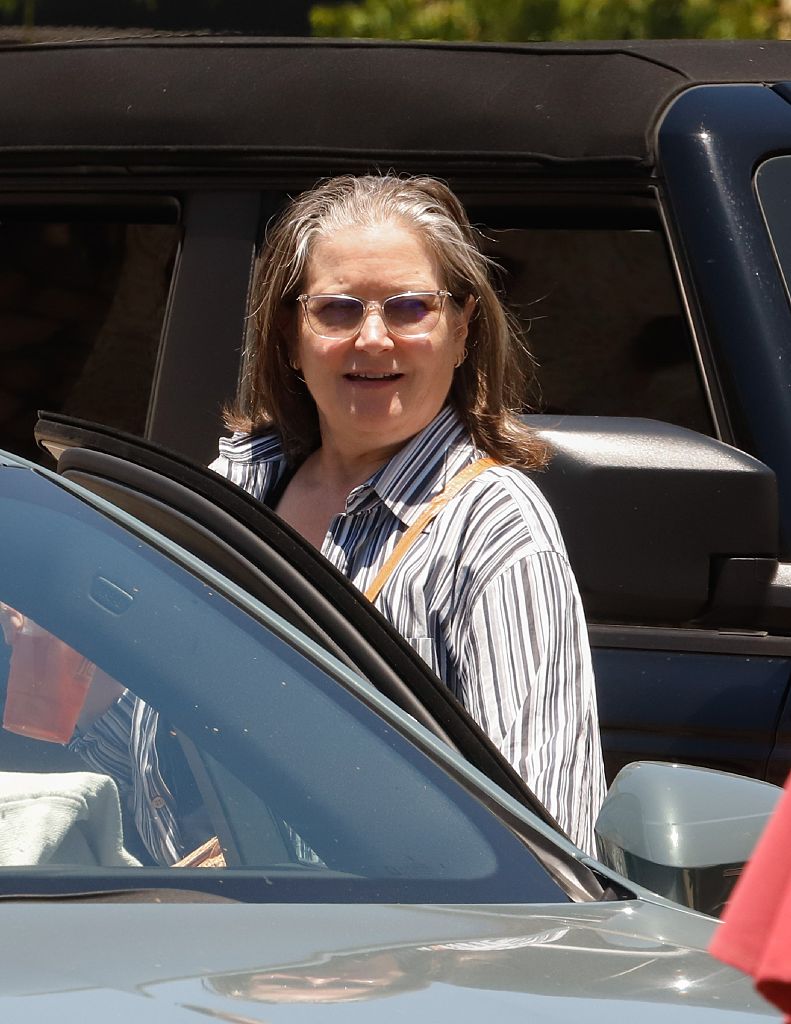
In a recent, rare comment, Bridget Fonda perfectly summarized her perspective, stating that “it’s too nice being a civilian.” This simple phrase is the most profound explanation for her two-decade absence. She willingly exchanged the glamour of Tinseltown for the ordinary, rewarding reality of school runs, family dinners, and a life lived out of the public eye. While fans may still hope for a comeback, it’s clear that Bridget Fonda found her perfect role not on the silver screen, but in the quiet contentment of a private world she built for herself.