My name is Ethan Parker, and I’m sixty-one.
Eight years ago, I buried my first wife after a long illness. Since then, my house has been quiet in a way that doesn’t feel peaceful—just empty. My children are grown with families of their own. Once a month they stop by with medicine and a little money, hug me quickly, and rush back to their lives. I don’t resent them. I understand. Still, on rainy nights, listening to water hammer the tin awning, loneliness can make a man feel smaller than he ever thought possible.
Last year, scrolling through Facebook out of boredom more than interest, I saw a familiar name: Lily Grant—the girl I loved in high school.
Back then, she was unforgettable: long wavy hair, dark eyes that seemed to hold an entire world, and a smile that turned ordinary days into something bright. I thought I’d marry her. But while I was buried in college entrance prep, her family arranged a match—an older man from another region, someone “stable,” someone “appropriate.”
And that was that. No goodbye that felt complete. No closure. Just life pulling us in different directions until decades disappeared.
Forty years later, there she was again—older, softer around the edges, but still Lily. She was a widow now too. Her husband had been gone five years. She lived in her youngest son’s house, but he worked in another city and was rarely home.
At first, we exchanged polite messages. Then phone calls. Then coffee. Before I noticed what was happening, I was stopping by every few days on my old scooter—bringing fruit, sweets, and the joint-pain medicine she kept forgetting to buy.
One afternoon I joked, trying to sound lighter than I felt.
“What if two tired hearts got married? Wouldn’t that solve the loneliness?”
I expected her to laugh.
Instead, her eyes filled with tears. I started to backpedal—told her I was only teasing—but she looked at me for a long moment, gave the smallest smile, and nodded.
And just like that, at sixty-one, I married my first love.
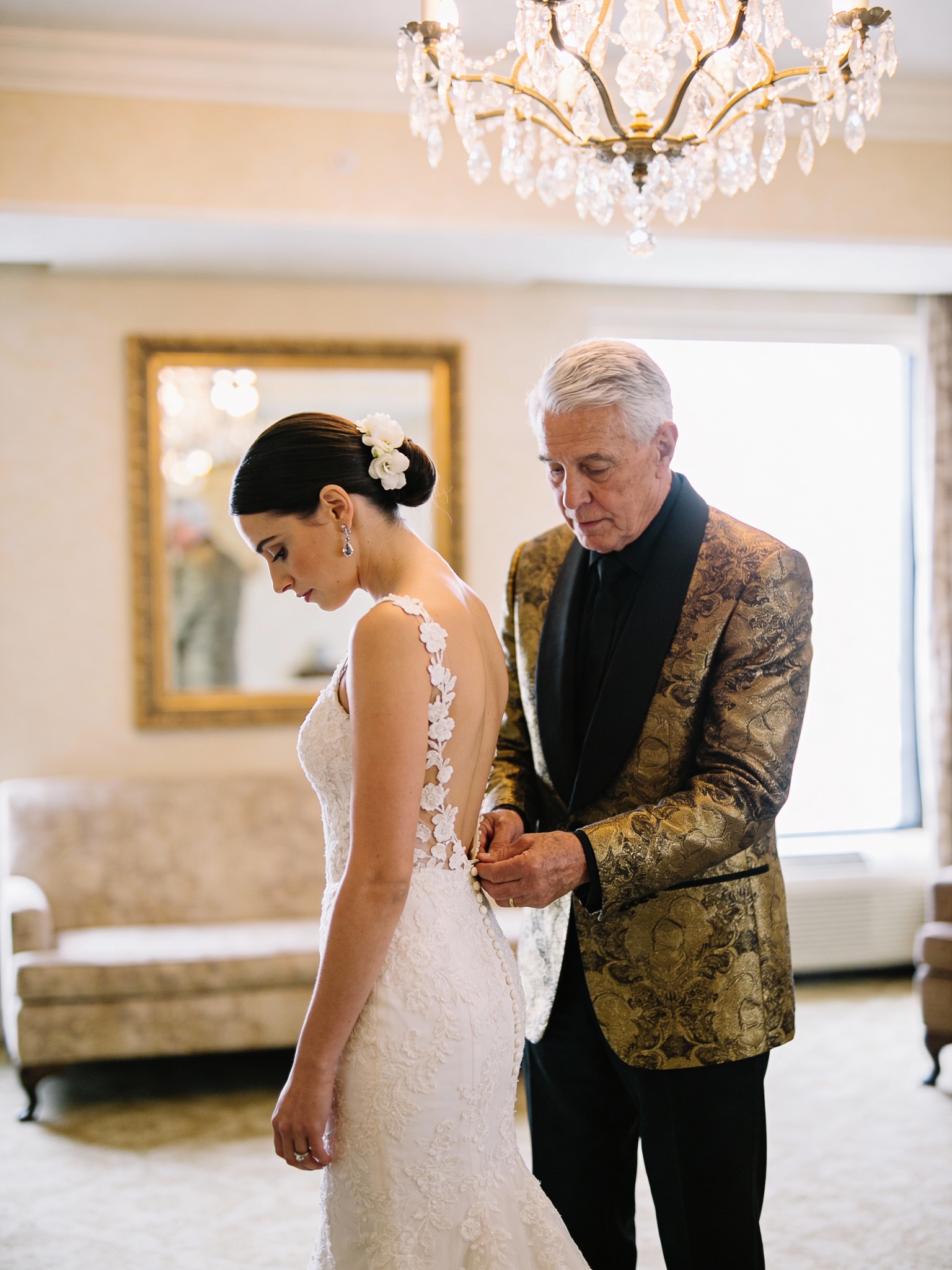
Our wedding was modest. I wore a dark suit. Lily wore a simple cream silk dress with her hair pinned up, a pearl clip tucked near her ear. Neighbors and friends showed up with warm smiles and gentle jokes—“You two look like kids again.”
For the first time in years, I felt like I could breathe.
That night, after the last plate was washed and the house finally settled, it was nearly ten. I warmed milk for her the way my mother used to do when someone needed comfort, locked the front door, and turned off the porch light.
I’d never imagined a wedding night again at my age. I wasn’t expecting fireworks—just closeness. Proof that we weren’t alone anymore.
When I began to help her undress, I froze.
Her back… her shoulders… her arms—lined with old scars. Deep, scattered marks like a cruel history written into skin.
My throat tightened so fast I couldn’t speak.
Lily pulled the blanket up instantly, eyes wide with a fear that didn’t belong to this room, this night, this second chance. Her voice came out thin.
“Please don’t…”
I sat down beside her, shaking.
“Lily,” I managed. “What happened to you?”
She turned her face away as if the wall could hide the truth.
“He… he had a temper,” she whispered. “He’d shout. Then he’d hit. I never told anyone. I thought… what good would it do?”
The pain in my chest wasn’t jealousy or anger. It was grief—grief for the girl who used to laugh in a classroom and for the woman who carried that suffering alone for decades.
I took her hand carefully, like it might break.
“You’re safe now,” I said. “From tonight onward, no one touches you with cruelty again. Not ever.”
She started crying—not loud, not dramatic—just quiet sobs that felt like years finally leaking out. I held her, and she felt so fragile in my arms, like she’d been strong for too long and didn’t know how to stop.
That night wasn’t about passion. It was about presence.
We lay side by side listening to crickets outside and the wind moving through the trees. I brushed her hair back and kissed her forehead. After a while, she touched my cheek like she was confirming I was real.
“Thank you,” she whispered. “For proving there’s still someone in the world who cares.”
And that’s when I understood something I’d spent my whole life misunderstanding:
Happiness isn’t loud. It isn’t youth. It isn’t money.
It’s a hand that stays.
A shoulder that doesn’t move away.
Someone willing to sit with you in the dark and treat your pain like it matters.
I don’t know how many tomorrows I have left.
But I know what I’m doing with them.
For the rest of Lily’s life, she will not live in fear again—not in my home, not in my arms, not beside my name.
Because that wedding night, after half a century of missed chances and quiet longing, wasn’t a heartbreak.
It was a vow.