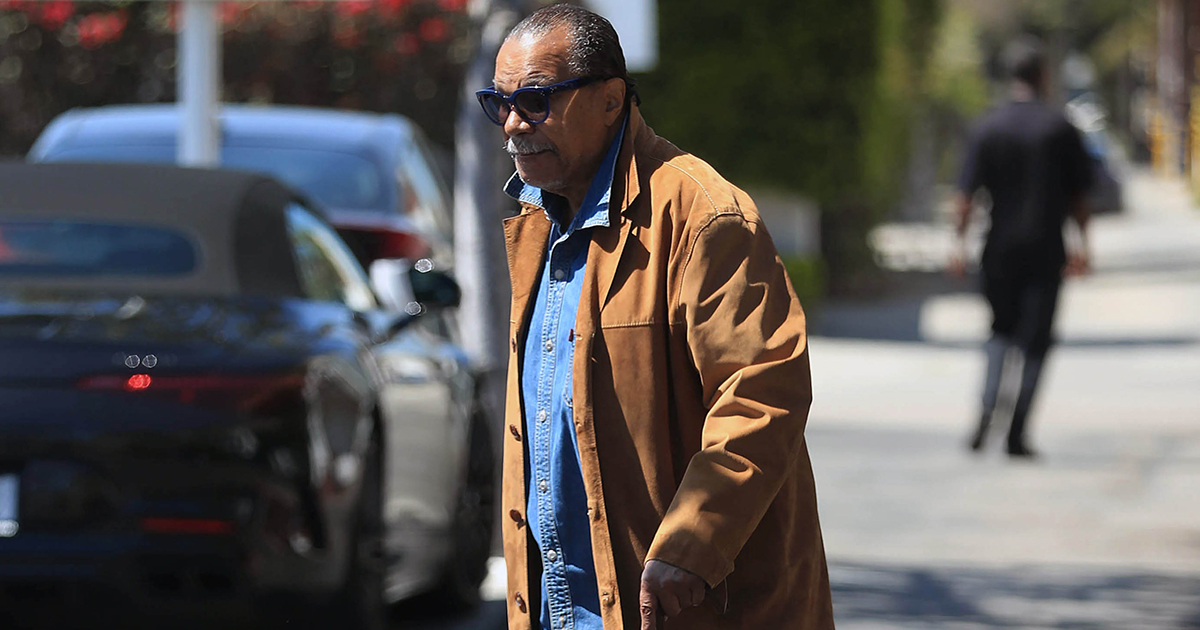
To the world, Billy Dee Williams is the effortlessly cool Lando Calrissian from Star Wars, a man who defined charisma for a generation. But behind the iconic smile and smooth demeanor was a personal life filled with profound complexity, marked by artistic passion, personal turmoil, and a constant search for identity. His journey from a child performer in Harlem to an international film icon is a story of incredible highs and challenging lows, revealing a man much deeper than the characters he portrayed.
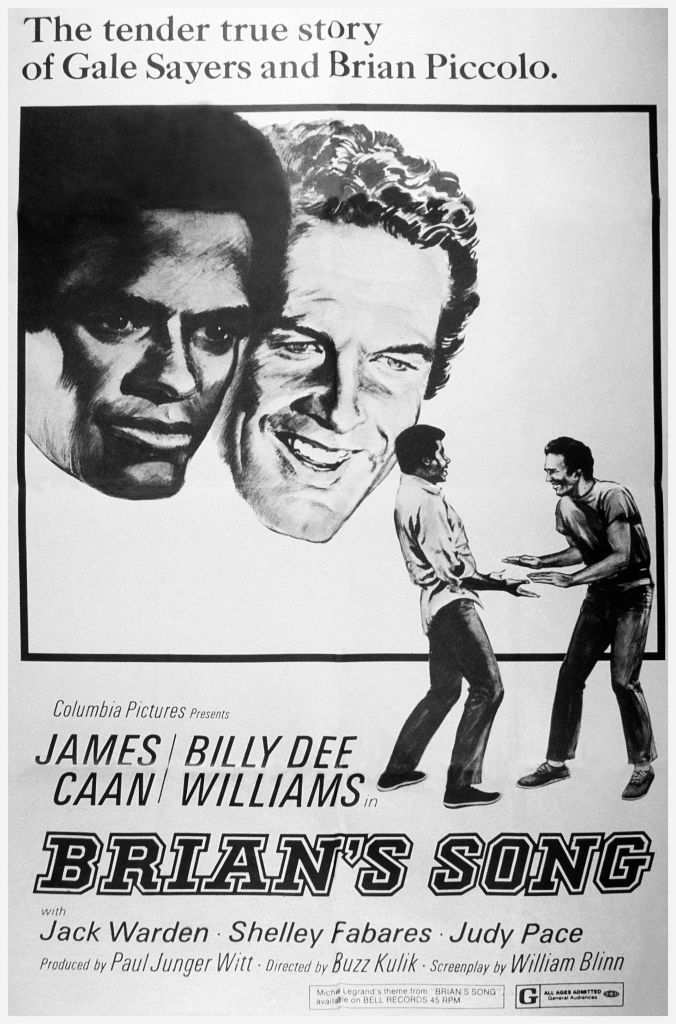
Williams first captured the nation’s heart in the 1971 television film Brian’s Song, a role that earned him an Emmy nomination and showcased his powerful dramatic range. This success opened the door to a galaxy far, far away, leading to his historic casting as Lando Calrissian. He became the first Black actor to play a major role in the Star Wars universe, a groundbreaking achievement that he embraced as an artist eager to work with visionary director George Lucas, though he never saw himself as a political crusader.
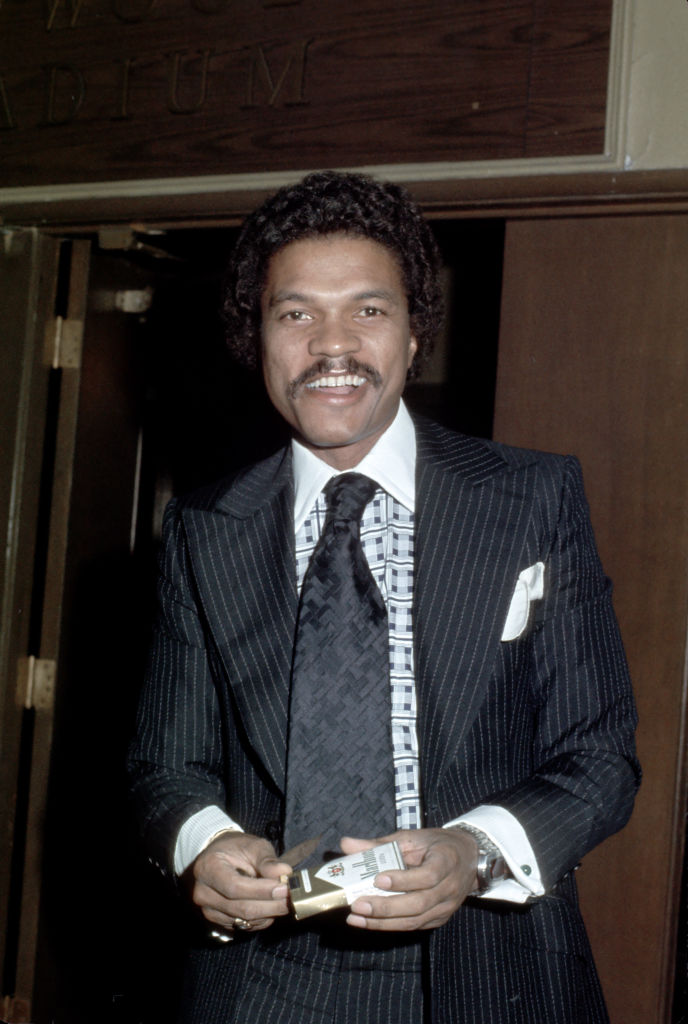
While his professional star was rising, his personal life was a tapestry of intense relationships and inner conflict. He has been candid about the infidelity that affected his three marriages, admitting that even becoming a father couldn’t completely settle his restless spirit. During the collapse of his first marriage, he experienced a period of deep despondency, feeling broke, depressed, and lost. This emotional turmoil stood in stark contrast to the confident image he projected on screen.
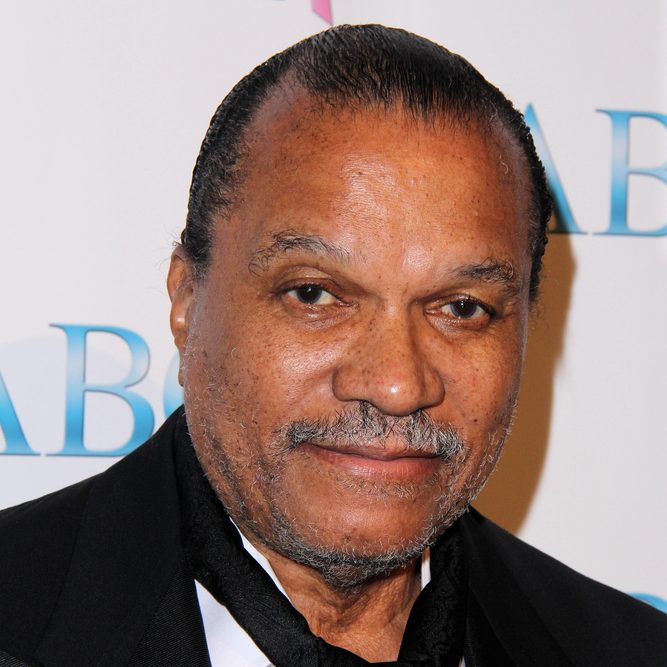
His life off-camera also included navigating public scandals. In the mid-1990s, he faced legal issues following an altercation with a girlfriend, a incident that resulted in a plea deal and counseling. While the woman involved later stated the incident was her fault, the event cast a shadow on his carefully cultivated public persona. Years later, his philosophical comments about masculinity and femininity were misinterpreted in the media, forcing him to clarify that he was discussing universal psychological concepts, not his personal gender identity.
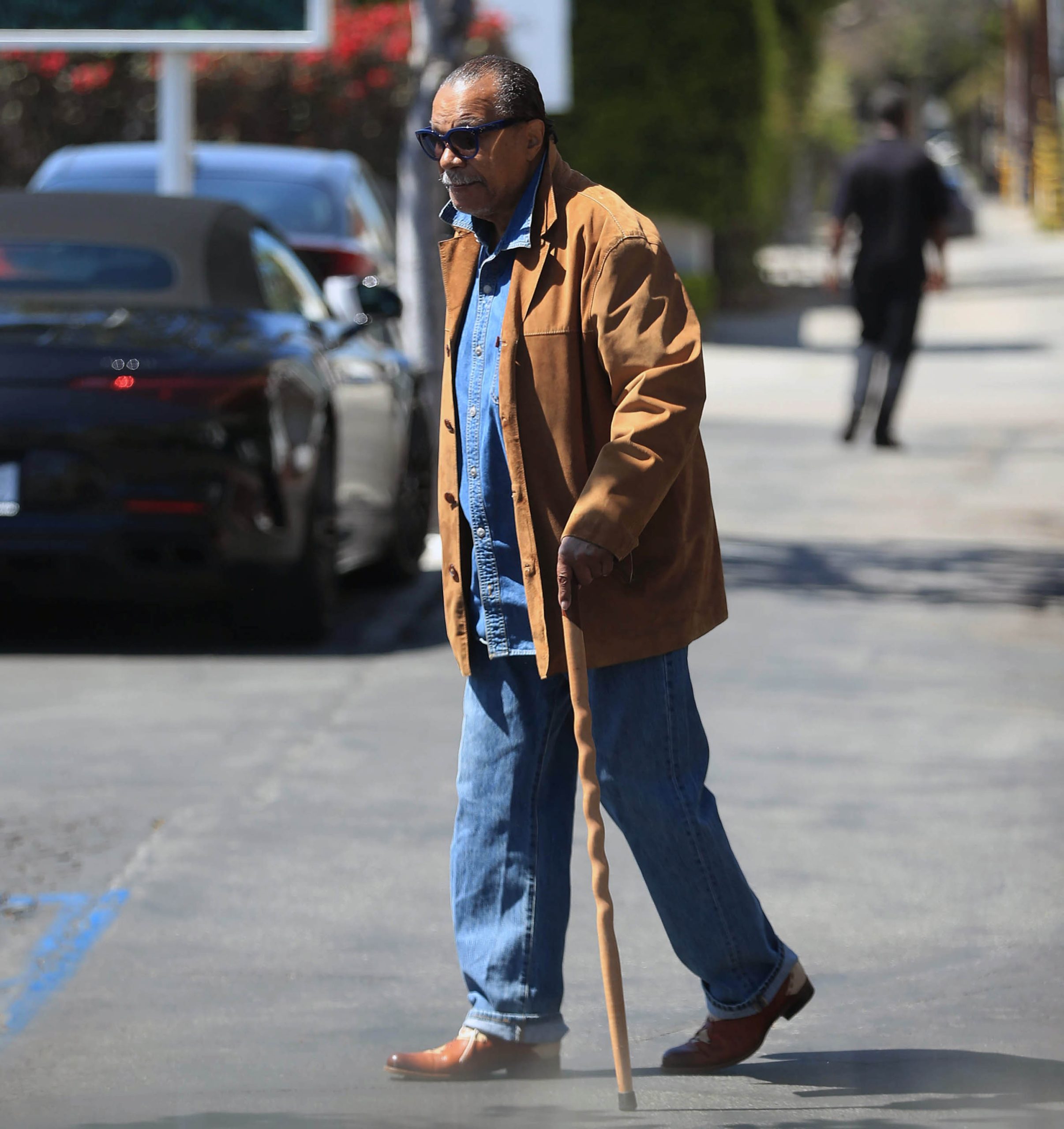
Through all of life’s storms, Williams has found a constant anchor in his art—not just acting, but painting. His works, which explore themes of love and philosophy, hang in prestigious galleries. Now in his late eighties and reflecting on a long life, he has spoken about his ideal final moments: with a paintbrush in his hand or performing on stage. His story is a powerful reminder that behind the legendary charm was a multifaceted man who lived with passion, confronted his demons, and always remained, at his core, a dedicated artist.