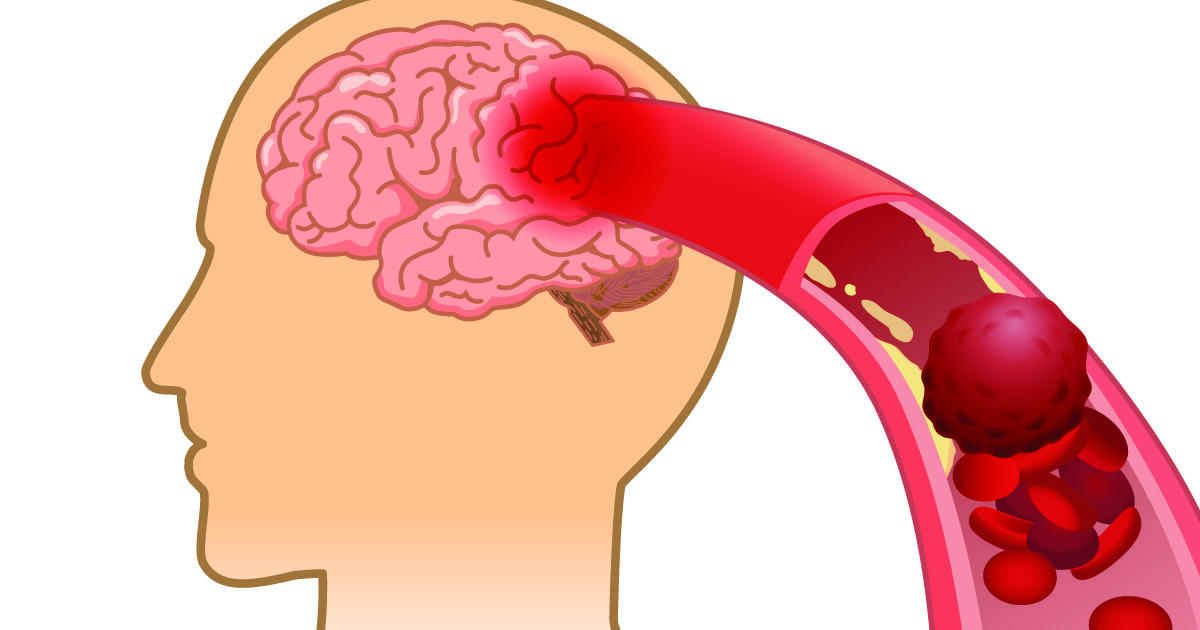
Our bodies have a remarkable way of sending us signals when something isn’t quite right, especially when it comes to the health of our circulatory system. Clogged arteries, a condition that can quietly develop over time, can lead to serious health events if left unaddressed. The key to prevention lies in recognizing the early, and sometimes subtle, warning signs that your body may be struggling with restricted blood flow. Paying attention to these signals can be a crucial step in protecting your long-term health.
Some of the most common signs originate in the chest and upper body. Persistent chest pain, also known as angina, is a classic indicator. This occurs when the arteries leading to the heart become narrowed, reducing the vital blood flow the heart muscle needs. This discomfort can often radiate to the shoulder, arm, jaw, or upper back. Similarly, unexplained shortness of breath, particularly if it happens during routine activities, can signal that your heart and lungs are not receiving adequate oxygen-rich blood.
The brain relies on a constant, unimpeded blood supply to function correctly. When the carotid arteries in the neck become compromised, it can manifest in neurological symptoms. These can include sudden weakness or numbness on one side of the body, difficulty speaking or slurred words, or even a temporary loss of vision in one or both eyes. These symptoms require immediate medical attention, as they can be precursors to a more significant cerebrovascular event.
Our extremities often provide clear clues about circulatory health. Pain in the legs that isn’t related to an injury, consistently cold feet, and slow-healing sores or injuries on the feet are all potential signs of peripheral artery disease. This condition occurs when plaque builds up in the arteries that supply blood to the limbs, depriving them of the oxygen and nutrients they need to function and repair themselves effectively.
Finally, pay attention to the rhythm of your heart itself. Heart palpitations—a feeling that your heart is fluttering, pounding, or beating irregularly—can sometimes be linked to compromised blood flow. While palpitations can have benign causes, they should never be ignored. If you experience any combination of these symptoms, it is essential to consult a healthcare professional for a proper evaluation. Early detection and lifestyle changes can make a profound difference in managing your cardiovascular health.