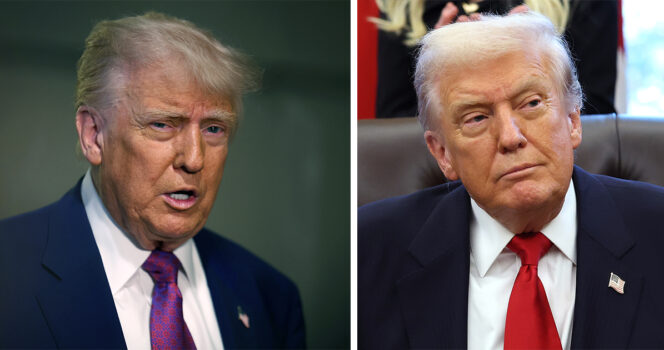
In a recent social media post that quickly captured national attention, former President Donald Trump made a striking financial promise to the American people. He announced a plan to distribute a dividend of at least two thousand dollars to individuals across the country, with the notable exception of those with high incomes. The proposal, delivered with characteristic confidence, immediately sparked a wave of discussion and skepticism, leaving many citizens wondering if such a direct payment could truly become a reality.
The core of Trump’s announcement centered on the claim that this money would be drawn from the revenue generated by his administration’s tariff programs. He portrayed these tariffs as an overwhelming success, stating that the nation is now the richest and most respected in the world, with record-breaking stock markets and significant investments flowing into domestic factories. According to his post, these tariffs are bringing in trillions of dollars, funds that would not only facilitate this payout but also help pay down the national debt.
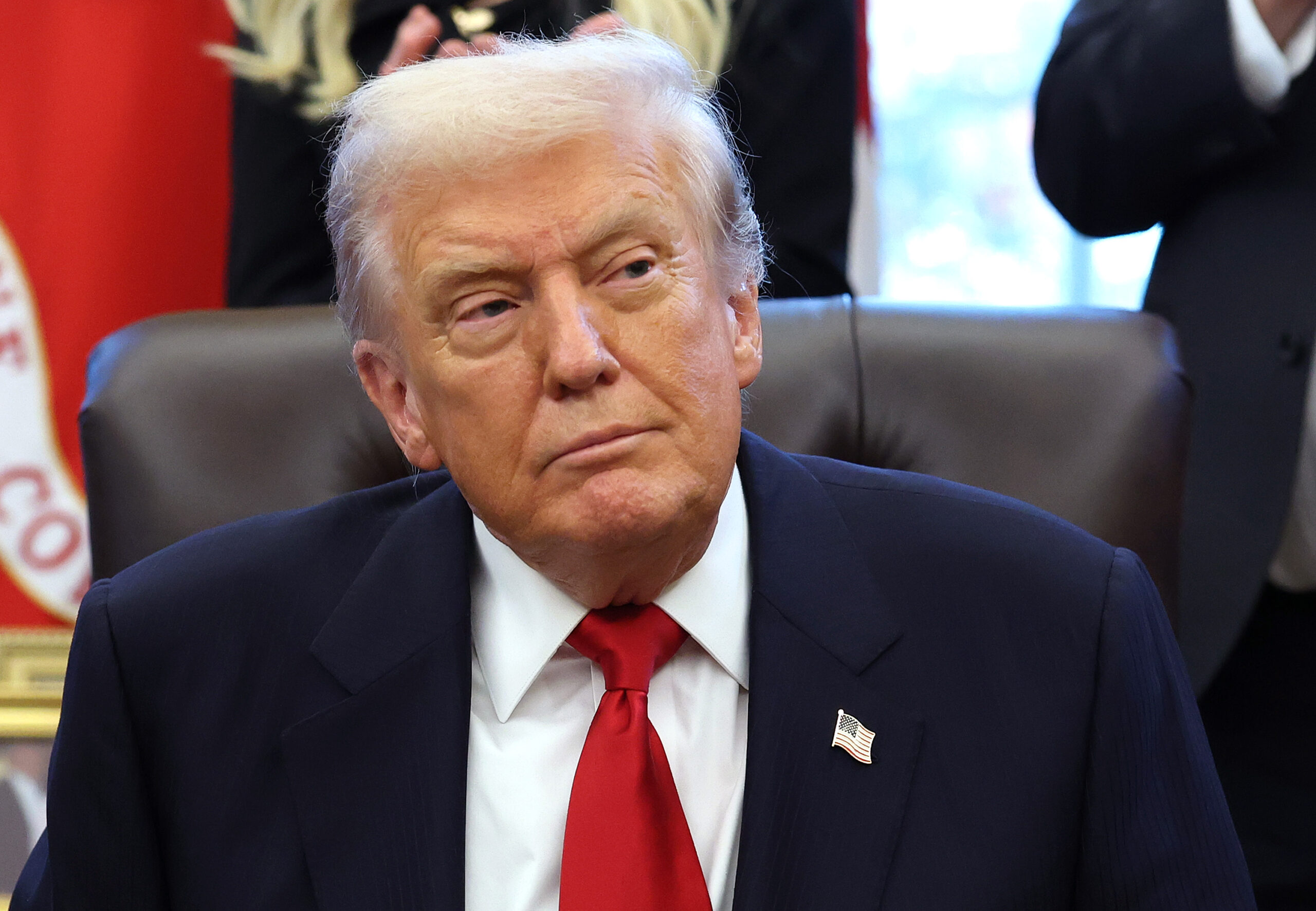
However, a closer examination reveals significant hurdles that cast doubt on the feasibility of this promise. The first and most substantial challenge is the sheer cost. Independent economic analysts have projected that a universal payment of this scale could cost the government anywhere from three hundred to over five hundred billion dollars. This figure dramatically overshadows the net revenue that the tariffs have actually raised to date, creating a major financial shortfall for the proposal.
The second major obstacle lies in the legal arena. The very tariffs that are supposed to fund this ambitious dividend are currently under intense legal scrutiny. The Supreme Court is hearing challenges to the emergency powers Trump used to implement them, and several lower courts have already ruled this approach illegal. If the tariffs are ultimately struck down by the judiciary, the entire financial foundation for the two-thousand-dollar payment would completely disappear.
While the idea of an unexpected financial windfall is undoubtedly appealing, it is wise to view this promise with a healthy degree of caution. The announcement currently lacks crucial details, such as a specific timeline for distribution or a clear definition of who exactly would qualify as a high-income individual excluded from the payment. Until these concrete plans are formalized and the legal battles over tariff revenue are resolved, this proposal remains an optimistic vision rather than a guaranteed payout.