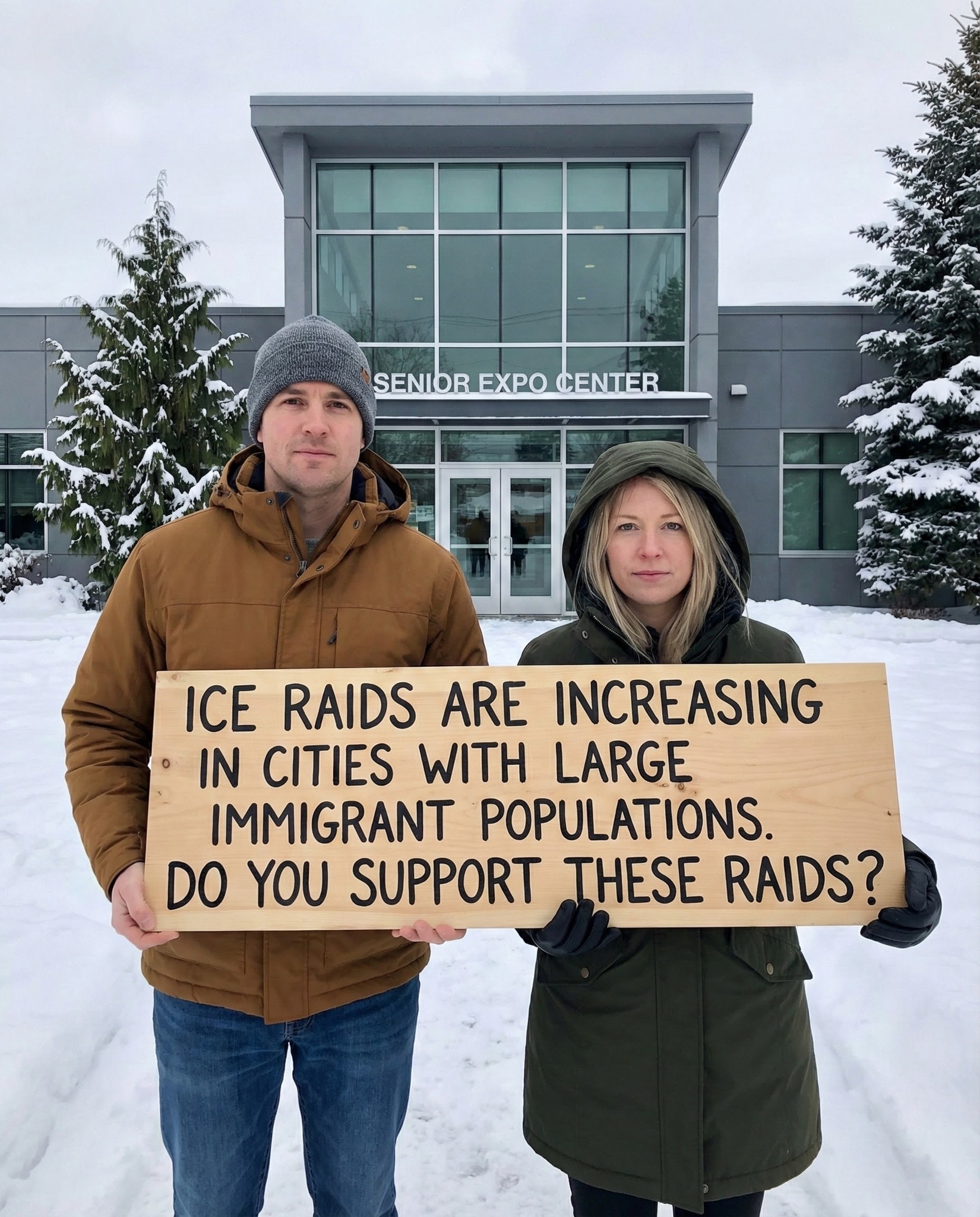
The Growing Concern of ICE Raids
In recent years, the increasing frequency of ICE raids in cities across the United States has sparked heated debates. These operations, primarily aimed at deporting undocumented immigrants, have deepened the divide between law enforcement and the immigrant community. As families face the looming threat of separation, the question remains: Do these raids promote justice, or do they represent a violation of human rights?
In this article, we will explore the rising issue of ICE raids, their social, legal, and emotional consequences, and the varying perspectives on how to address this issue. Understanding the complexities of this issue requires empathy, a commitment to fairness, and an open mind.
What really happens after worksite immigration raids in CA- CalMatters
Section 1: The Purpose of ICE Raids and Their Legal Basis
ICE, or Immigration and Customs Enforcement, is a federal agency charged with enforcing immigration laws in the United States. Under the Trump administration, ICE raids became more prevalent as part of the broader “zero-tolerance” policy aimed at cracking down on illegal immigration.
These raids are often conducted in communities with high immigrant populations and are intended to locate and deport undocumented individuals. The legal authority behind these actions is rooted in immigration law, but their implementation has raised numerous questions regarding fairness, due process, and the human cost of enforcement.
Section 2: The Impact on Immigrant Communities
For many immigrants, the threat of deportation is a constant source of fear and uncertainty. ICE raids not only tear families apart but also disrupt entire communities. Children are left without parents, workers are ripped from their jobs, and neighborhoods are left in a state of anxiety.
Beyond the immediate emotional and logistical impact, these raids have long-term consequences on the fabric of immigrant communities. When fear permeates, people become less likely to report crimes, seek medical help, or engage with community services, which ultimately erodes trust in local institutions and law enforcement.
Section 3: The Human Cost of Deportation
The human cost of deportation goes far beyond the individual being deported. Families are torn apart, communities are fractured, and the emotional trauma can last a lifetime. Deportation often leads to economic hardship, with many individuals facing difficulty in re-entering the country or finding stable work back home.
Additionally, the stories of individuals who have been affected by ICE raids serve as a reminder that many people affected by deportation have lived in the U.S. for years, contributing to society in countless ways. Their removal does not simply remove them from their families but also from the workforce, educational institutions, and the social fabric of American society.
‘You don’t know if you’ll return home’: Immigration raids shake Los Angeles
Section 4: Supporters of ICE Raids: The Need for Order and Security
Supporters of ICE raids often argue that immigration laws should be strictly enforced to maintain national security and uphold the rule of law. They contend that allowing undocumented immigrants to remain in the U.S. undermines legal processes and encourages further illegal immigration.
From this perspective, the deportation of individuals who are not legally in the country is necessary to maintain order and ensure that those who enter the U.S. do so through the proper channels. These supporters often focus on the need for a legal immigration system that prioritizes those who follow the rules and abide by U.S. laws.
Section 5: Opponents of ICE Raids: Compassion and Human Rights
On the other side of the debate, opponents of ICE raids argue that these operations violate human rights and undermine the values of compassion and fairness. They contend that individuals affected by deportation are often contributing members of society who are simply seeking a better life for their families.
For many, the moral argument against ICE raids centers on the idea that no one should be torn from their families simply because of their immigration status. These opponents often call for a pathway to citizenship for undocumented immigrants and a reformed immigration system that focuses more on family unity and fairness.
Section 6: Real-Life Stories: The Faces Behind the Headlines
To truly understand the gravity of the situation, we must listen to the stories of those directly impacted by ICE raids. These personal accounts reveal the trauma, fear, and uncertainty that immigrant families face on a daily basis.
For example, consider the story of Ana, a mother of three who has lived in the U.S. for over a decade. Despite being an upstanding member of her community, Ana was apprehended in an ICE raid while dropping her children off at school. The emotional devastation caused to her children, who had no idea why their mother was taken away, serves as a poignant example of the ripple effect these raids have on innocent lives.
Immigration agents become increasingly aggressive in Chicago | PBS News
Section 7: What Are the Alternatives?
Given the complexities of the issue, many are advocating for alternative solutions that balance security with compassion. Proposals range from creating a pathway to citizenship for undocumented immigrants who have lived in the U.S. for years, to providing temporary protection for those who are facing deportation but have deep community ties.
Other suggestions include focusing ICE resources on criminal immigrants and leaving non-criminal individuals alone. Immigration advocates argue that this would prioritize public safety while also preventing the destruction of families and communities.
Section 8: The Role of Public Opinion and Political Action
The question of whether ICE raids are justified or not is not just a legal issue but a deeply political one. Public opinion plays a significant role in shaping immigration policies, and as the debate continues, more Americans are speaking out.
It is crucial that this debate remains respectful and focused on finding solutions that reflect both the rule of law and the values of humanity. Politicians and lawmakers must be willing to listen to the concerns of both supporters and opponents of ICE raids and work toward an immigration policy that reflects the needs and realities of today’s world.
Section 9: The Road Ahead: Can a Balance Be Found?
The question remains: Is it possible to find a balance between enforcing immigration laws and protecting the rights of individuals? As the nation grapples with this issue, it is clear that something must be done to address both the legal and humanitarian aspects of immigration enforcement.
While solutions are not easily found, the ongoing discussion and efforts by advocacy groups show that change is possible. It will take time, but through dialogue, understanding, and empathy, it is possible to create an immigration system that is fair, just, and compassionate.
Conclusion: Moving Forward with Compassion and Justice
The issue of ICE raids is not one that will be solved overnight. It is a complex issue that requires thoughtful consideration, open dialogue, and a willingness to see beyond the headlines to understand the human lives at stake.
As we move forward, we must prioritize compassion, fairness, and the protection of human rights, while also ensuring that the rule of law is upheld. Only through this balance can we create an immigration system that works for everyone—immigrants and citizens alike.