The technique is a popular way to keep the identity of children private online
An online security expert has warned about the risk of using emojis to cover children’s faces in online images.
Many parents are understandably very cautious about sharing pictures of their children online. While some avoid it altogether or only share on private platforms, others will take steps to obscure a child’s identity.

Posting pictures and videos online can be risky, especially now that AI can easily manipulate images.
This has included highly disturbing instances of people using X’s AI Grok to digitally undress images of women on the app without their consent.’
With that in mind, posting any image online now carries a heightened risk, which is why some, including various celebrities, have used emojis to conceal their kids’ identities.
But using an emoji to obscure a child’s face now carries a warning from an online security expert.
Parents have been using emojis in an attempt to conceal their kids’ identities online (Klaus Vedfelt/Getty)
Parents have been using emojis in an attempt to conceal their kids’ identities online (Klaus Vedfelt/Getty)
Lisa Ventura, an award-winning cybersecurity specialist, told The Independent that obscuring someone’s identity in this way is functionally useless.
“I need to be brutally honest here – putting an emoji over a child’s face provides virtually no real privacy protection whatsoever,” he said. “This approach is more security theatre than actual security.”
Security theatre is something which gives the impression that something is being done, but doesn’t actually achieve much – think of having to hand over liquids over 100ml at the airport.
But why is this the case?
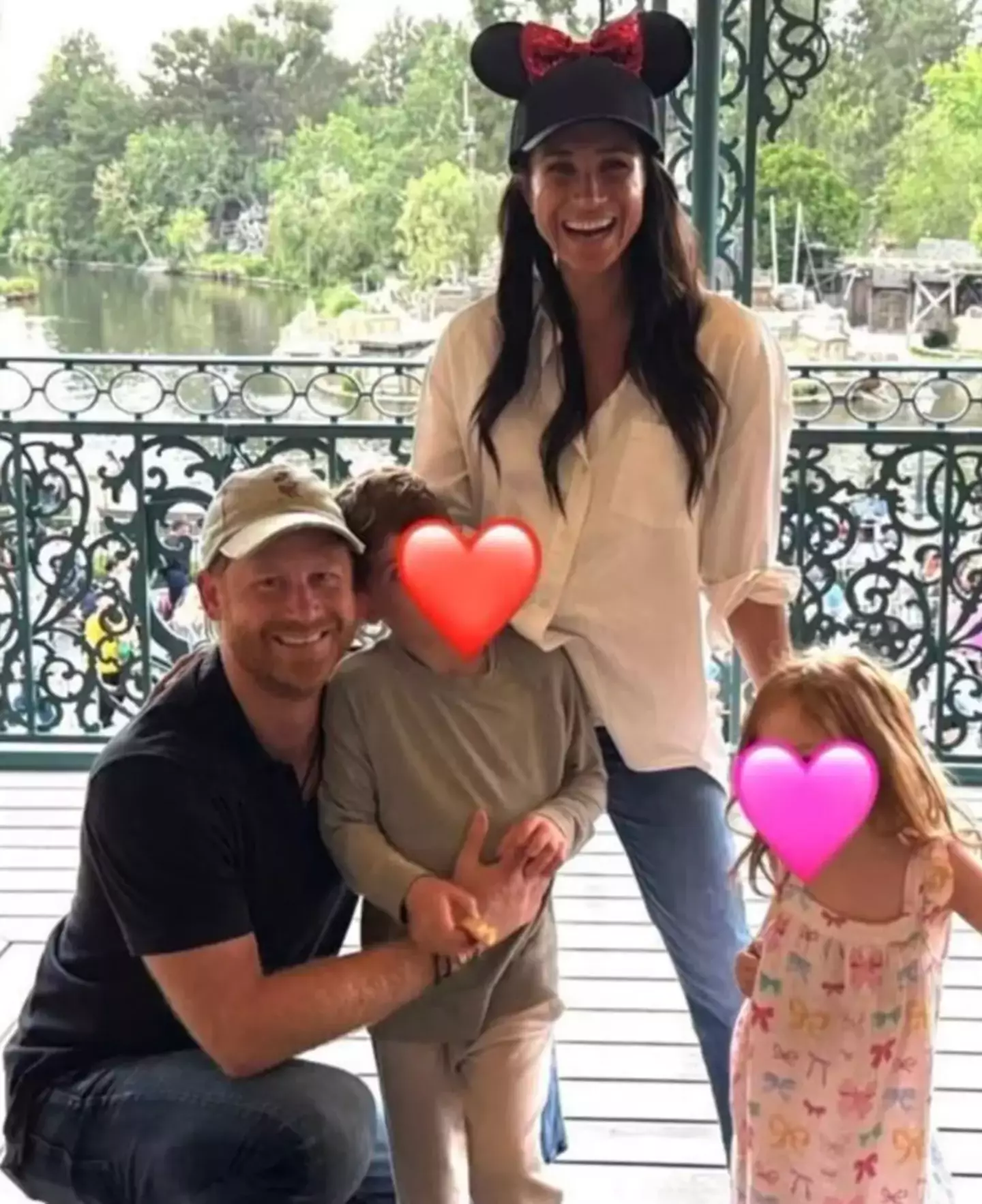
Public figures, such as Prince Harry and Meghan Markle, have partook in this trend (Instagram/@meghan)
Public figures, such as Prince Harry and Meghan Markle, have partook in this trend (Instagram/@meghan)
Ventura explained: “Most parents aren’t just posting one carefully emoji-protected photo. They’re sharing multiple images over time, and the combined data from all those posts creates a much bigger privacy concern than any single image.”
She said that even though the child’s face is concealed, the parent is ‘still sharing massive amounts of identifiable information’, with something as simple as a school uniform making it easier for people find things out about them, as it ‘all builds a profile’.
“Every photo you upload trains facial recognition algorithms and builds advertising profiles,” she continued.
And while the main concern might be that someone could ‘remove’ the emoji from the picture, Ventura says that isn’t possible, adding: “There’s a lot of scaremongering about AI being able to magically reconstruct faces from emoji-covered photos.”
More likely, what would happen would be that the emoji would become part of the photo so that no one can see ‘behind’ it.
So what can you do to protect your children’s online privacy?
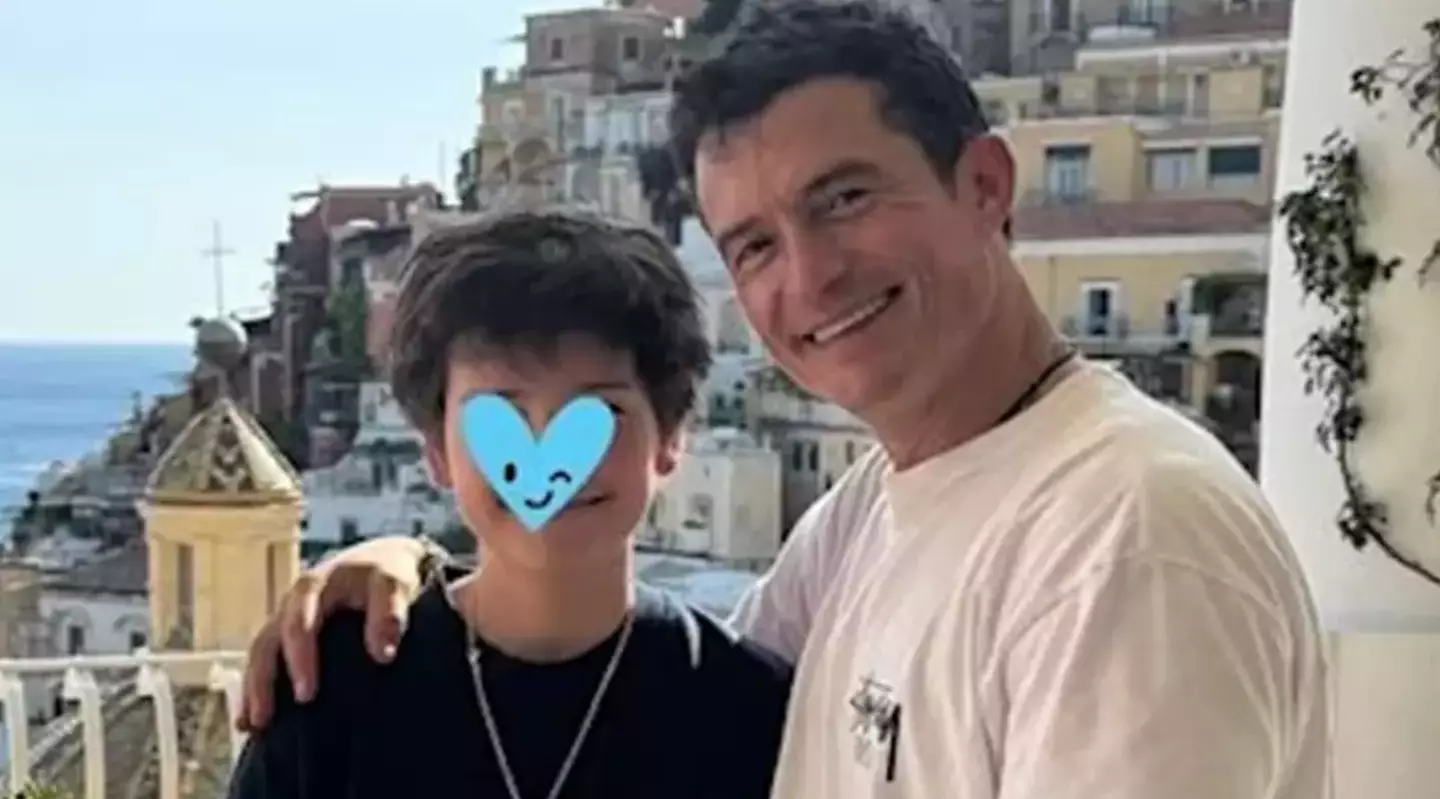
Actor Orlando Bloom has also shared images of his children with their faces concealed under an emoji (Instagram/Orlando Bloom)
Actor Orlando Bloom has also shared images of his children with their faces concealed under an emoji (Instagram/Orlando Bloom)
Well, the brutal reality is that the only way to do this for sure is to not share any images of your children on any public platform, or at least consider what you’d be comfortable sharing with the internet.
“If you wouldn’t hand a physical copy of that photo to a complete stranger in the street, don’t post it online,” she said. “Because that’s essentially what you’re doing, except that stranger might be able to keep it forever, or worse, use it in unauthorised ways you did not intend.”
Ventura also noted that digital footprints are difficult to erase and that children often don’t consent to their images being shared by their parents, adding: “Children deserve to have that right protected until they’re old enough to make informed decisions about their own digital footprint.
“It might mean missing out on some likes and comments, but protecting our children’s future autonomy might just be worth that sacrifice.”