The ongoing transformation of the White House under former President Donald Trump has sparked a significant national conversation about tradition, legacy, and the purpose of the nation’s most famous residence. The decision to demolish the East Wing, a section historically housing the First Lady’s office, to make way for a new $300 million ballroom has drawn sharp criticism from various quarters. This move, funded by private donations, is presented as a necessary modernization, but for many, it represents a disregard for the building’s historical integrity and the symbolic role of the First Lady.
Prominent figures from previous administrations have been vocal in their disapproval. Former First Lady Michelle Obama characterized the East Wing as “the heart of the work” for first ladies, suggesting that its demolition reflects a denigration of that vital role. Her sentiments were echoed by Hillary Clinton, who publicly stated that the White House belongs to the American people and accused Trump of destroying it. Their comments highlight the deep emotional and political connections that former residents and the public hold for the presidential home, viewing changes not just as architectural updates but as statements of values.
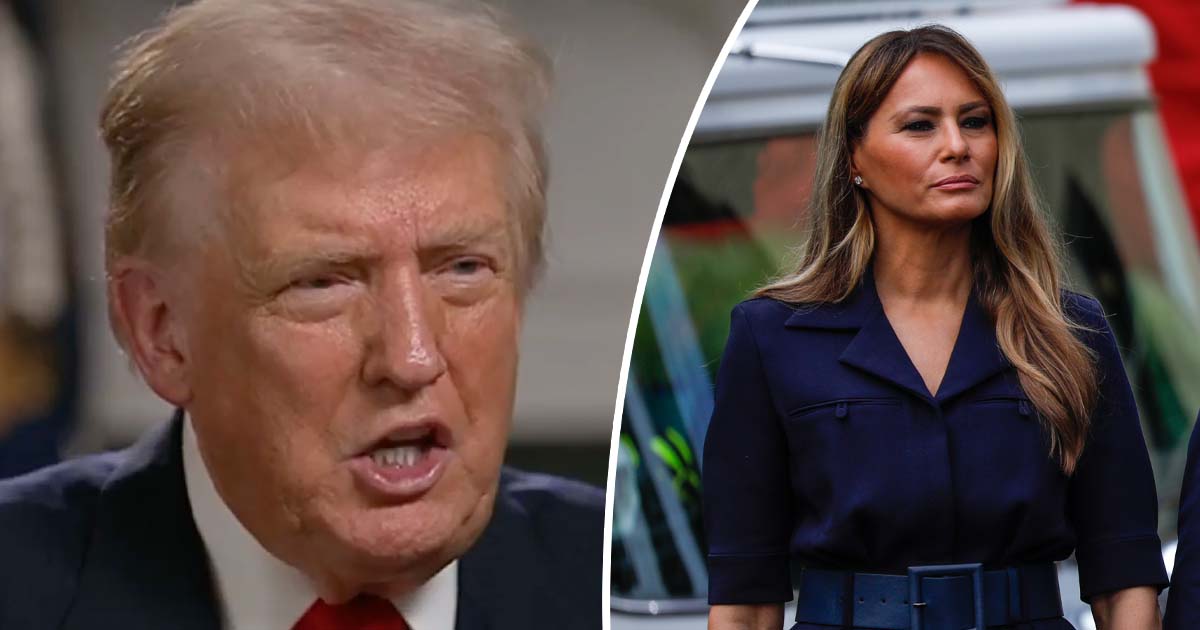
Amidst this very public debate, a more personal story emerged regarding the feelings of the current First Lady at the time, Melania Trump. Reports indicated that she had private reservations about the project, reportedly telling associates that she had no involvement because the plans were not hers. This revelation added a layer of personal conflict to the political and historical dispute, suggesting that the decision may not have been unanimous within the Trump household and raising questions about the influence of the First Lady in such consequential matters.
Donald Trump eventually addressed these rumors directly, confirming that his wife had indeed been attached to her “little, tiny office” in the East Wing. However, he quickly followed this admission with an assertion that her opinion had evolved. He claimed that Melania, whom he described as “very smart,” came to appreciate the new vision after just a day. This narrative of a swift change of heart did little to quell the concerns of historians and critics who saw the demolition as a symbolic dismissal of the First Lady’s traditional workspace and the important functions it supports.
The former president’s defense of the project was rooted in practicality. He argued that the old East Wing was an eyesore, poorly constructed with “common brick” and “tiny windows,” and that the existing facilities for large events were inadequate, forcing guests to sit in mud when it rained. The new ballroom, in his view, is a necessary and impressive upgrade. This clash of perspectives—pitting pragmatic modernization against the preservation of historical legacy and tradition—lies at the heart of the controversy, leaving the public to ponder what the future holds for the ever-evolving White House.