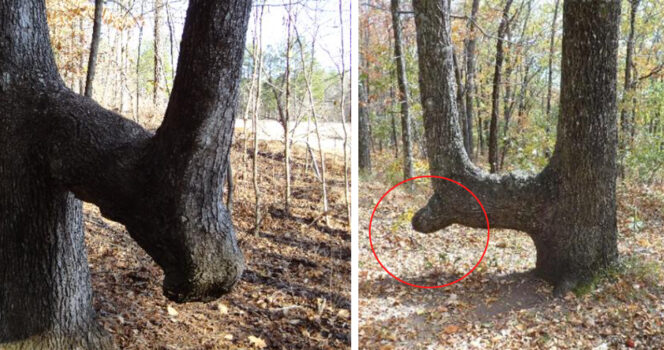
Getting lost in the quiet beauty of a forest is one of life’s simple pleasures, a chance to escape the constant buzz of modern technology. On a recent walk, you might have noticed something that seemed out of place: a tree with a strangely bent trunk, curving in a way that felt intentional rather than natural. It’s easy to dismiss it as a quirk of nature and continue on your path. However, if you see one of these peculiar trees, you’ve actually stumbled upon a fascinating piece of living history, a secret signpost left by the original inhabitants of this land long before roads and GPS existed.
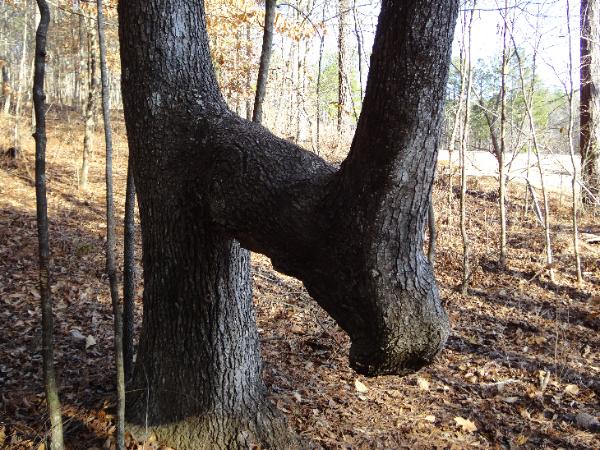
These bent trees are not mere accidents of the forest. They are actually ancient trail markers, carefully crafted by Native Americans to navigate the vast and often rugged wilderness. In an era without paper maps or digital devices, indigenous peoples developed incredibly ingenious methods for finding their way. By intentionally bending and shaping young, flexible trees, they created permanent landmarks that would stand the test of time, guiding travelers along safe paths through difficult terrain. These trees were the original navigation system, pointing the way toward essential resources like water, food, or important meeting places.
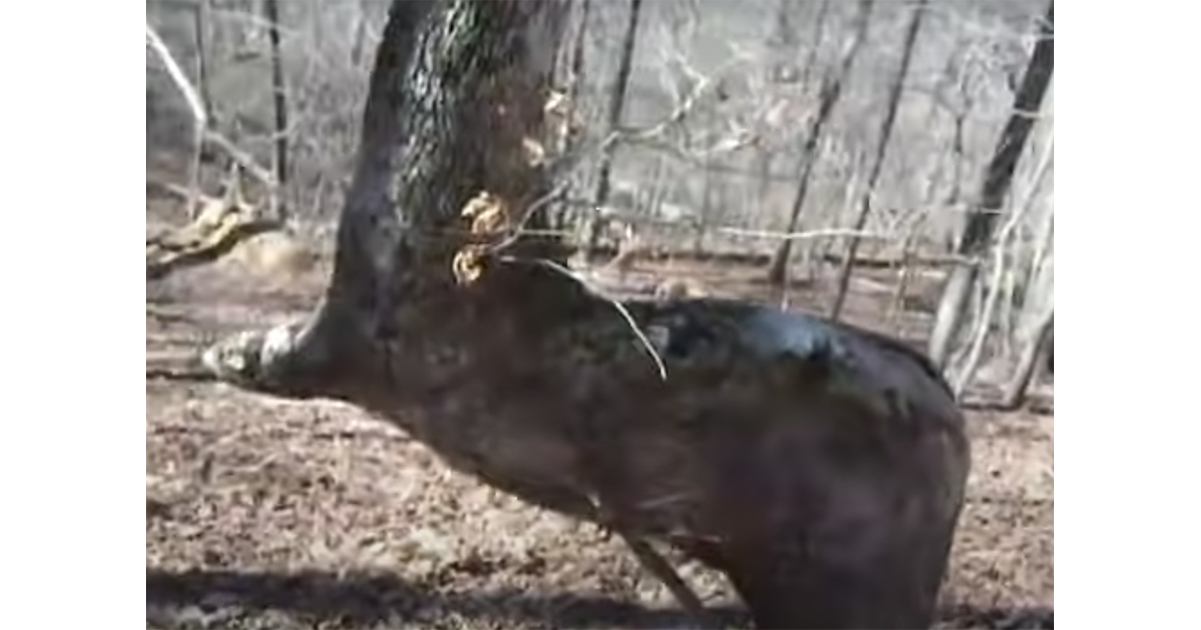
The process of creating these markers was deliberate and skilled. It wasn’t a random act but a calculated one. To shape a tree, a young sapling would be carefully bent and often secured with straps, forcing it to grow in a specific, unnatural direction. As the tree matured, it would maintain this unique shape, becoming a permanent and reliable feature on the landscape. Many of these living artifacts that we see today are estimated to be 150 to 200 years old, silent witnesses to a different time. You can often identify a man-made trail tree by looking for a distinct, nose-like notch at the end of the bend or old scars from the straps used in the shaping process.
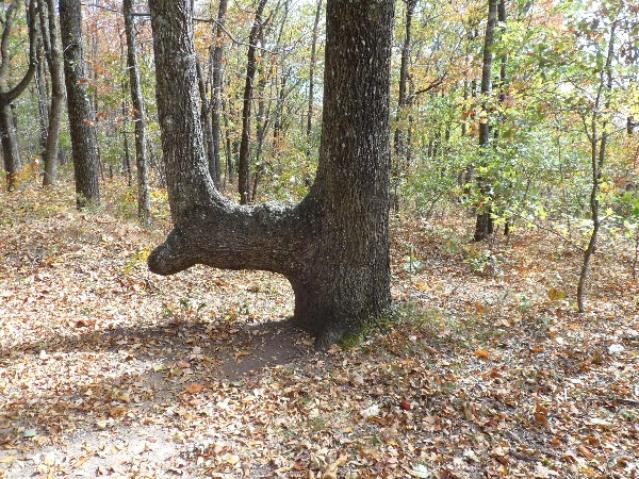
Sadly, the number of these historic trees is dwindling due to deforestation and the natural passage of time. Their original purpose has been largely forgotten, overshadowed by the modern world that grew up around them. When we recognize a bent tree for what it truly is, we are doing more than just identifying a curiosity; we are helping to preserve a vital piece of cultural heritage. It is a tangible link to the deep knowledge and resourcefulness of the people who lived in harmony with this land for centuries before us.
So, the next time you are hiking through the woods and a strangely shaped tree catches your eye, take a moment to stop and appreciate it. You are not just looking at a tree; you are looking at a chapter from a history book written in wood and bark. This bent trunk is a legacy of human ingenuity, a reminder that the land holds stories for those who know how to look. By understanding their secret, we ensure that the silent guidance they offer is not lost forever.