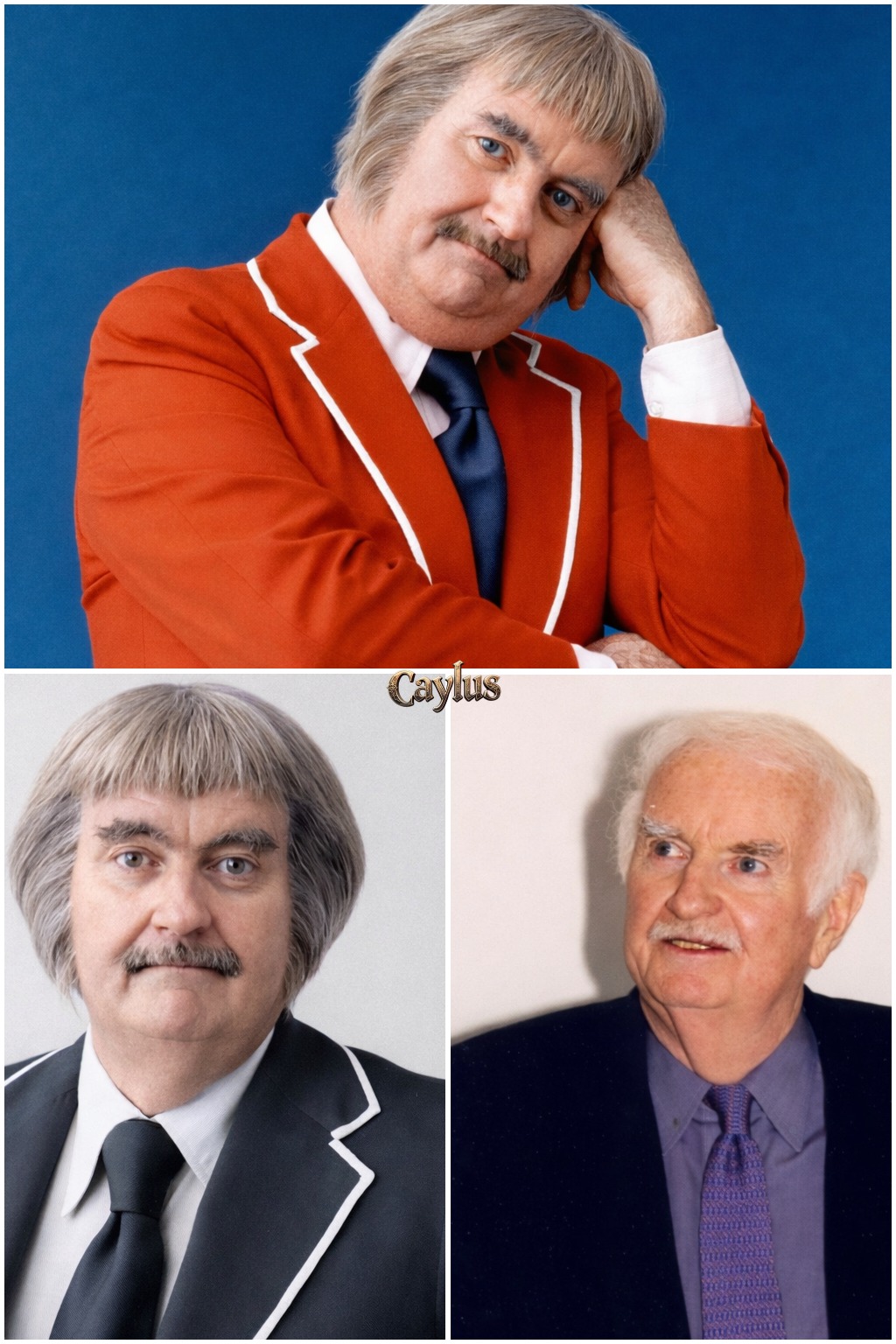
The story of Bob Keeshan is a story of quiet defiance. In the booming post-war age of television, where children’s programming became a pipeline for toy and cereal ads, Keeshan dared to build something different. As the creator and star of Captain Kangaroo, he rejected the entire commercial model, insisting that his show have no advertisements aimed at children. This single decision, born from a deep respect for young viewers, created a cultural institution that would comfort and teach for three decades. Keeshan wasn’t just an entertainer; he was a protector of childhood’s quiet moments.
His perspective was forged by experience. A Marine veteran, Keeshan later wore the makeup of Clarabell the Clown on The Howdy Doody Show, a role that showed him the inner workings of chaotic, merchandise-driven TV. He walked away determined to offer an alternative. Captain Kangaroo was that alternative. Each episode began with a tranquil, familiar routine, a stark contrast to the sensory overload elsewhere. The set was a cozy “Treasure House,” the pace was leisurely, and the tone was uniformly kind. It was television as a safe space, a concept Keeshan championed when few others did.
At the heart of the show was Keeshan’s revolutionary philosophy: children are not miniature consumers. They are learners, explorers, and emotional beings who thrive on stability and gentle guidance. He famously said, “The world already teaches them to shout. I wanted to teach them to listen.” This ethos permeated every aspect of the program, from its educational segments to its treatment of characters. There was no conflict, no mock violence—just discovery, humor, and warmth.
Keeshan’s advocacy didn’t stop when the cameras turned off. He became a respected voice in early education, testifying before Congress about the harms of marketing to children and emphasizing the developmental importance of calm, thoughtful media. His awards and accolades are numerous, but his true monument is the collective memory of a generation who learned about friendship, wonder, and decency from a gentle man in a red coat. Bob Keeshan’s defiance proved that in a medium often criticized for its noise, the softest voice could leave the loudest, most lasting impression.