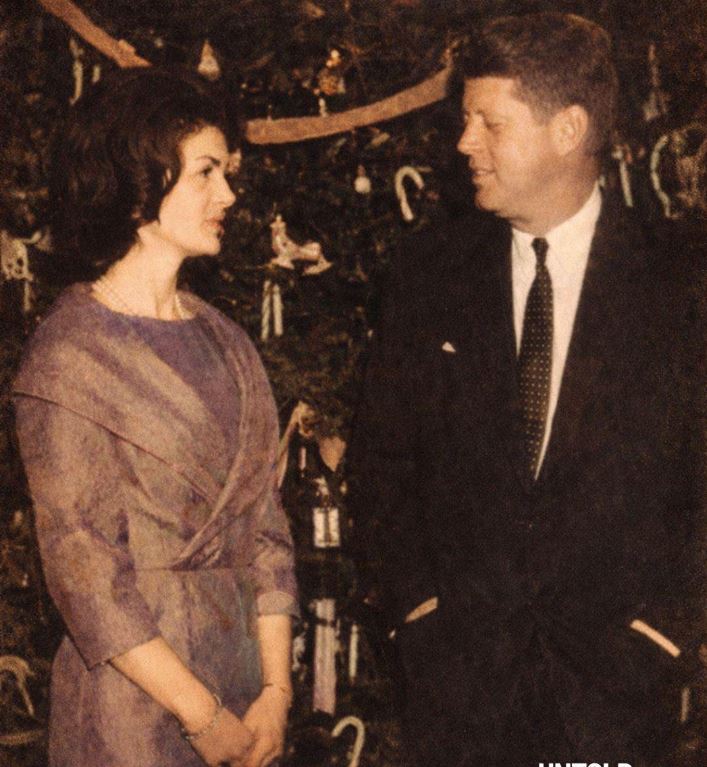
For eight years, the White House stood as a monument to a tragedy Jacqueline Kennedy could not revisit. The memories were too vivid, the pain too acute. So, when duty called for her return in 1971 for the unveiling of official portraits, she crafted an unconventional solution.
Bypassing protocol, she sent a private appeal to Pat Nixon, the wife of her husband’s political rival. Her request was for something simple yet profound: privacy. She asked to bring her children for a quiet viewing, free from the glare of public ceremony. It was a raw appeal to shared motherhood and widowhood over political affiliation.

The Nixon family’s answer was an unequivocal and compassionate “Yes.” They orchestrated a visit of remarkable secrecy and sensitivity. On the appointed day, the Kennedys were greeted not as political symbols, but as guests of honor in a personal space.
The absence of media allowed for genuine moments—children meeting the family dogs, a walk through a namesake garden, a father figure showing a son the Oval Office. It was an evening where the weight of history was acknowledged but not allowed to dominate the simple human connections unfolding within those storied walls. Jackie Kennedy would later describe the visit as one of her most cherished days with her children.
The Nixons asked for nothing in return; the act was its own reward. This story endures not as a footnote of political history, but as a timeless lesson in the healing power of discretion and the quiet strength of offering kindness without expectation.