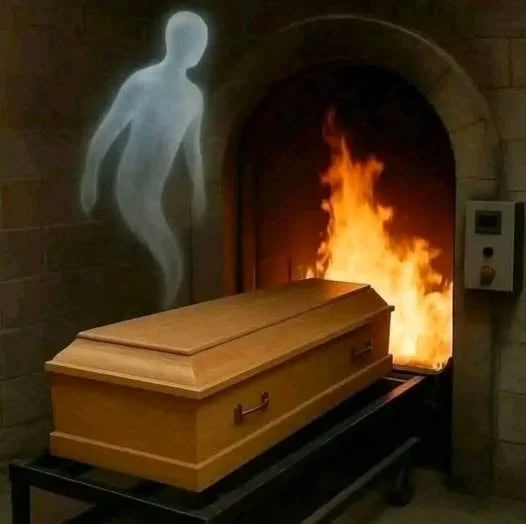
The question of cremation is one that many thoughtful believers grapple with today. In an era where practical considerations often guide our choices, it is important to step back and examine what foundational truths might inform this deeply personal decision. The Bible does not provide a single, direct command forbidding the practice, but it does offer a consistent thematic framework regarding the human body and death. From the beginning, Scripture treats the physical form with profound reverence, as something intimately crafted by God and imbued with eternal significance.
Throughout the biblical narrative, the standard practice for God’s people was burial. We see this in the patriarchs: Abraham carefully acquires a tomb to bury Sarah, and Joseph instructs that his bones be carried from Egypt for final interment in the Promised Land. This pattern continues into the New Testament, most powerfully exemplified by Jesus Christ Himself, whose body was laid in a borrowed tomb. In contrast, instances of burning bodies in the Bible are often associated with judgment, punishment, or acts of intentional desecration, as seen in the condemnation of Moab in the book of Amos. This historical context suggests that burial was the culturally and theologically resonant act of respect.
The theological heart of the matter is tied to the Christian doctrine of resurrection. The body is described as a “temple of the Holy Spirit” and is central to God’s redemptive plan. Passages like 1 Corinthians 15 use the metaphor of a seed being sown into the ground to illustrate how the perishable body is raised imperishable. Burial visually embodies this hope, this patient waiting for transformation. It acts as a quiet but powerful testament to faith in a future where God will reclaim and glorify what He has made.
It is crucial to acknowledge that God’s sovereign power is in no way limited by the form our remains take. He who created humanity from dust can surely resurrect from ashes. The Bible does not present cremation as an unforgivable sin that severs one from salvation. Many sincere Christians, due to financial, environmental, or personal reasons, choose cremation while holding firmly to the hope of resurrection. Their faith rests not in the method of bodily disposition, but in the finished work of Christ.
Ultimately, the decision between burial and cremation becomes one of personal conviction and witness. For some, traditional burial remains a meaningful, physical declaration of hope in bodily resurrection and respect for God’s creation. For others, different considerations lead to a different choice. In either case, the central comfort for the believer remains unchanged: our sure hope is in a living Redeemer, who has conquered death and promises to raise us, whole and renewed, to be with Him forever.