
In today’s world, the term “narcissist” is often used to describe anyone from a difficult ex-partner to a self-absorbed coworker. But what does it truly mean to have narcissistic personality disorder, and how can you accurately identify it? According to a leading expert, the answer might be surprisingly simple. A direct question could be the most effective tool for uncovering this complex personality trait.
Criminal psychologist Dr. Julia Shaw, who regularly works with individuals on the extreme end of the psychological spectrum, explains that narcissism is a genuine mental health condition. It’s characterized by an inflated sense of self-importance, a deep need for excessive attention and admiration, and a lack of empathy for others. While many people throw the term around casually, true narcissism can severely impact a person’s relationships and life.
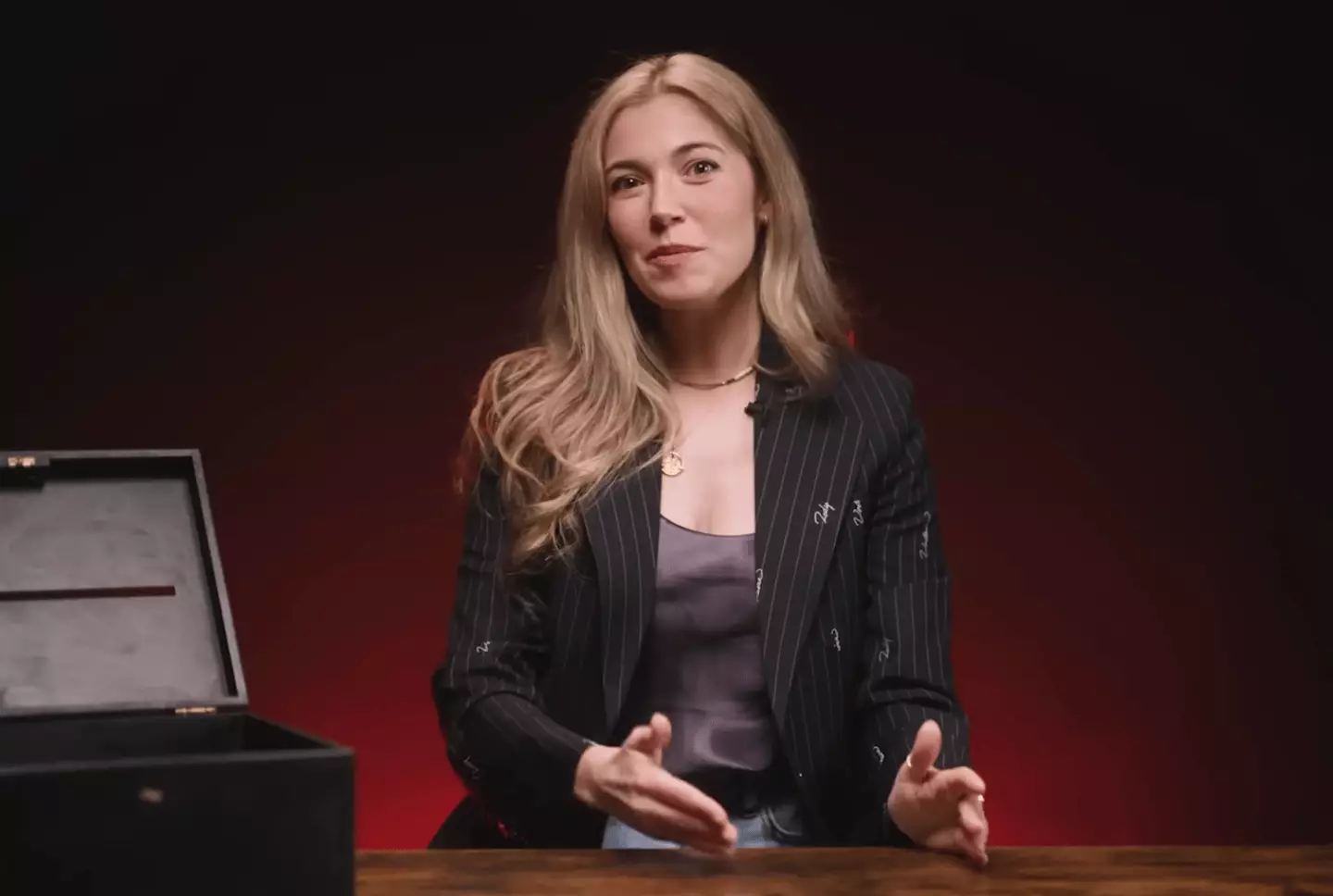
Through extensive research, psychologists have worked to distill the essence of narcissism into a reliable diagnostic tool. What began as a long list of questions has been refined over time. Dr. Shaw reveals that studies have ultimately landed on a single, powerful inquiry known as the “single item narcissism scale.” This method cuts through the complexity and gets straight to the point.

So, what is this ultimate question? It’s as straightforward as it gets: “Are you a narcissist?” While it may seem that a narcissist would never admit to such a thing, the psychology behind the question is clever. A person with strong narcissistic traits is likely to answer with a qualified “yes,” justifying it by saying something like, “Well, it’s because I am better than most people.” Their overconfidence and grandiose self-view prevent them from seeing the label as a negative.
Dr. Shaw offers a crucial word of caution, however. She warns against the casual overuse of clinical terms like “narcissist” in everyday anger or conflict. Using this language too loosely devalues its meaning and takes away from serious contexts where it truly matters, such as in criminal psychology or clinical diagnosis. It’s a powerful insight, but one that should be used with care and understanding.