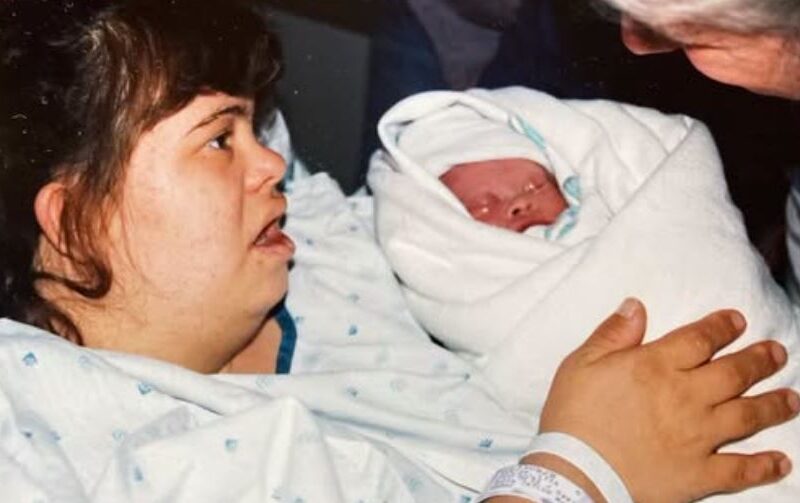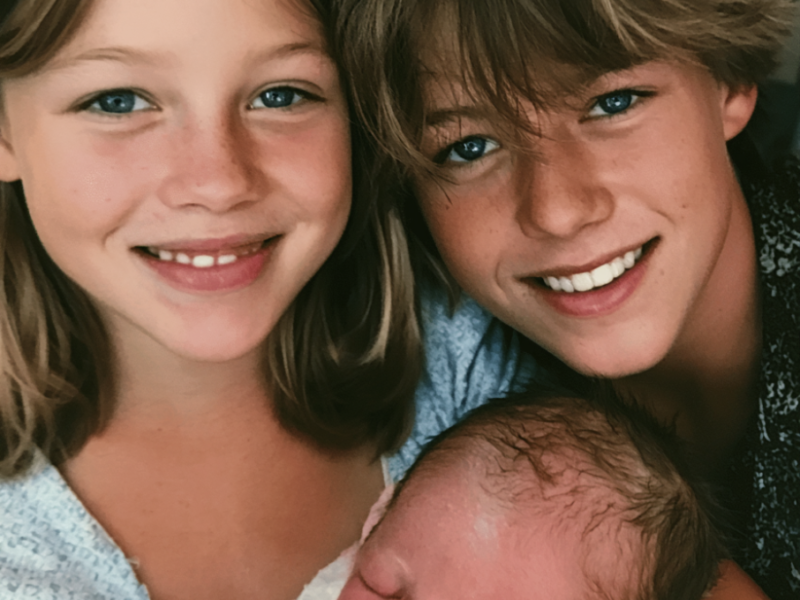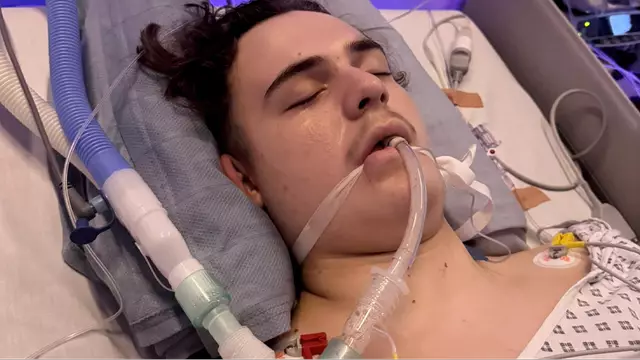
Headaches in teenagers are often brushed aside as a common part of growing up. For Max Hall, 14, they were the only sign of a hidden and deadly threat. His mother, Jackie, watched her active, sports-loving son deal with migraines for over a year. Repeated trips to healthcare professionals yielded the same result: a diagnosis of simple migraines and a prescription for painkillers. They were, in her words, “just fobbed off,” their concerns minimized while an undetected tumor grew.
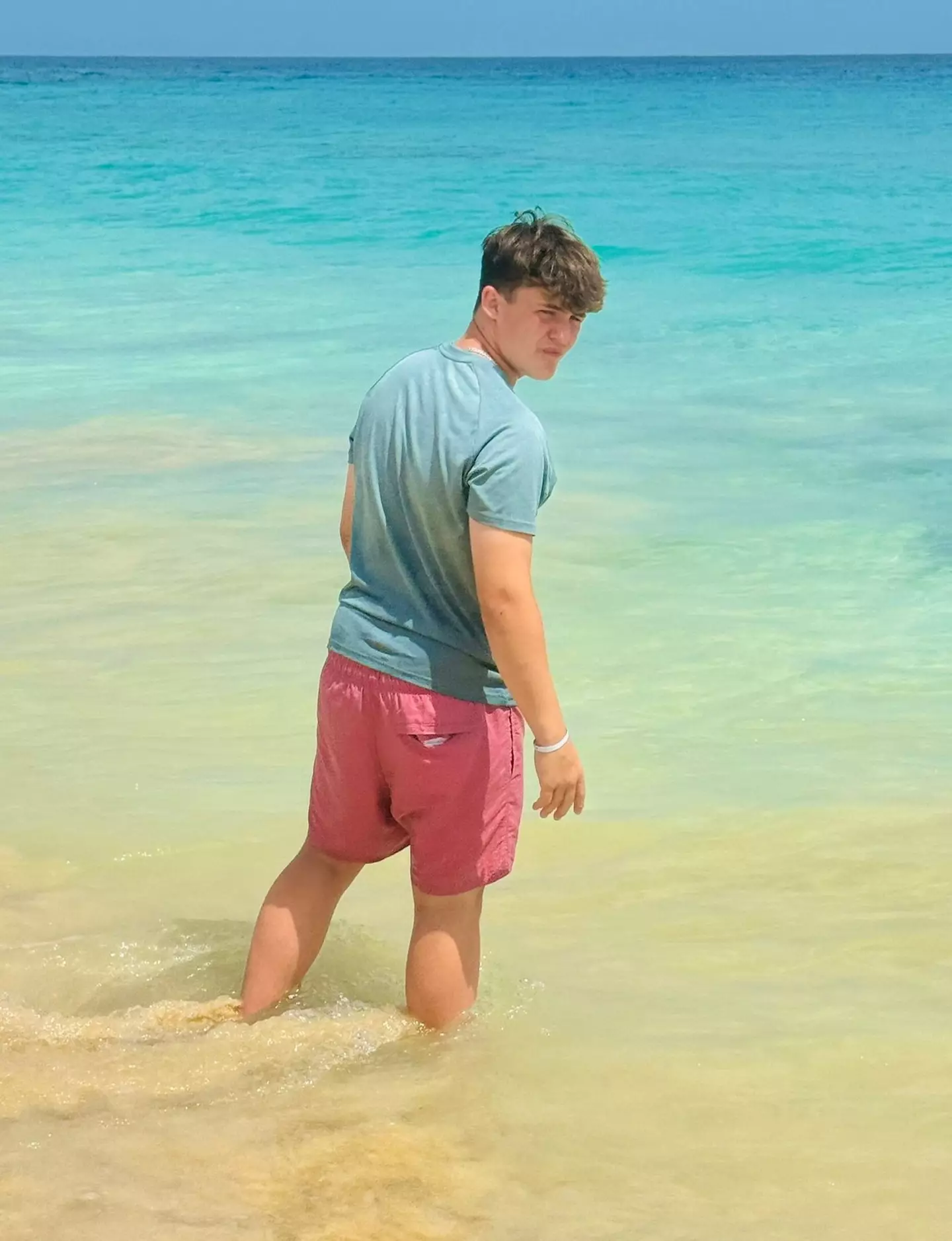
The horrifying reality emerged in the most dramatic way possible. Days after his birthday, Max collapsed with a seizure and was rushed to the hospital, where he needed life support for two nights. A subsequent MRI scan delivered the crushing blow: a massive, stage 4 brain tumor. Doctors explained the tumor’s location made surgery impossible, and the diagnosis was terminal. The family’s world instantly shifted from managing migraines to confronting the prospect of losing their child.
Faced with a limited treatment plan from the NHS that cannot remove the tumor, the Hall family has embarked on a desperate international mission. They have pinned their hopes on a specialized clinic in Germany that offers a form of immunotherapy not available in the UK. This treatment involves creating a personalized vaccine from Max’s own blood and tumor cells, a targeted approach designed to slow the cancer’s growth and potentially prolong his life. It is a rigorous regime requiring constant international travel.

The barrier is financial. The cost for this year-long treatment program is approximately £250,000, a sum the family is striving to raise through public donations. For Jackie, the calculation is simple and emotional. The UK path leads to a certain conclusion, while the German treatment offers a thread of hope—a chance to have her son with her longer. “We just need him around with us,” she says, capturing the raw, universal desire of a parent facing the unthinkable.
Throughout this ordeal, Max has displayed a strength that astounds his family. He deals with the tumor’s effects on his memory and speech, yet his morale remains high. His resilience is the heart of their campaign. Their story is a poignant call for greater urgency in investigating persistent symptoms and a powerful testament to the lengths a family will go to in their search for hope, turning a personal tragedy into a public race against time.