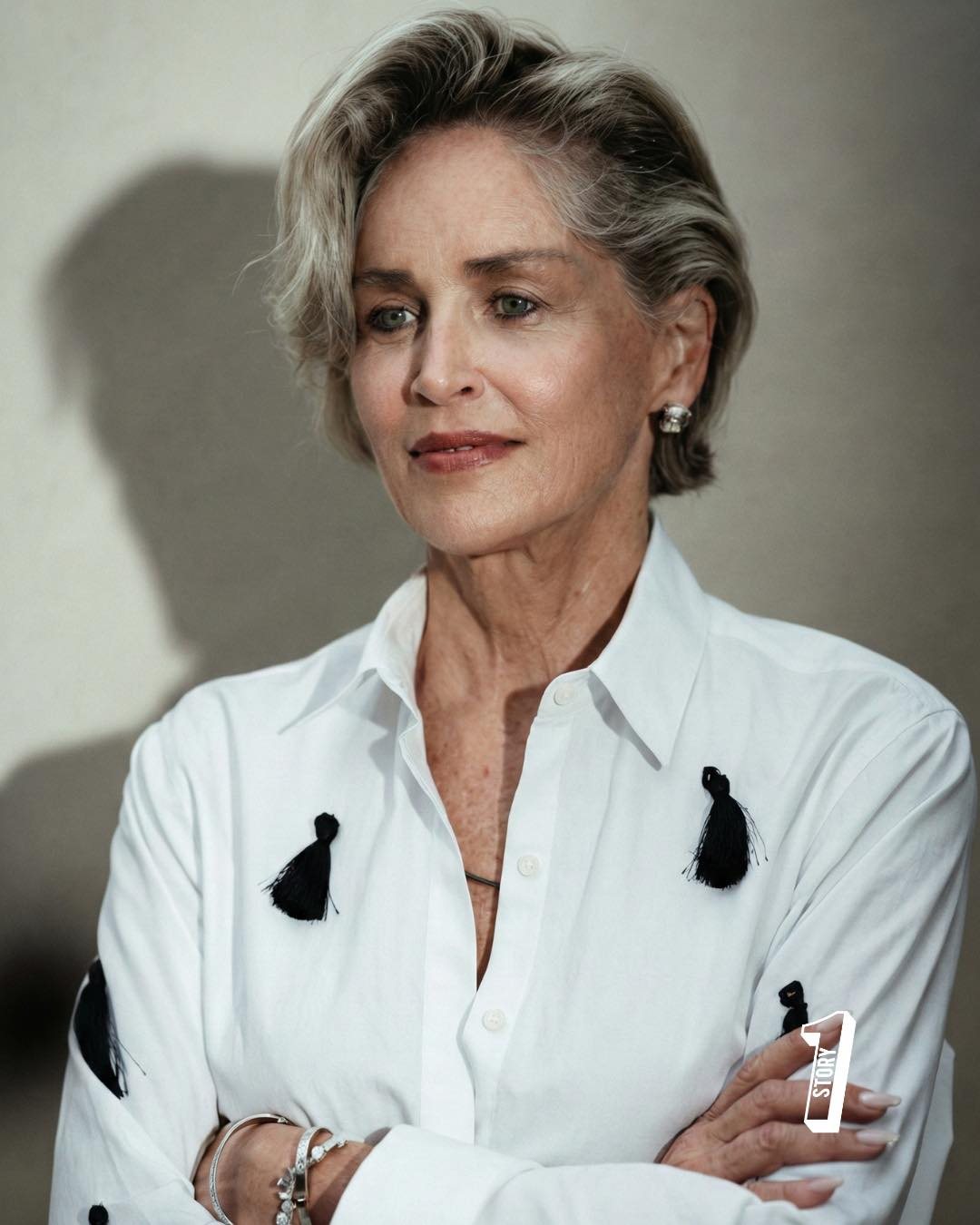
The archetype of the Hollywood comeback is familiar: a star falls, then fights to reclaim their spotlight. Sharon Stone’s narrative defies this cliché. Her story following a near-fatal brain hemorrhage in 2001 is not one of reclaiming a lost empire, but of consciously building a different, more meaningful kingdom. The woman who once symbolized cinematic seduction and power underwent a metamorphosis that redefined success itself, moving from an icon curated by an industry to an artist and advocate defined by her own experience.
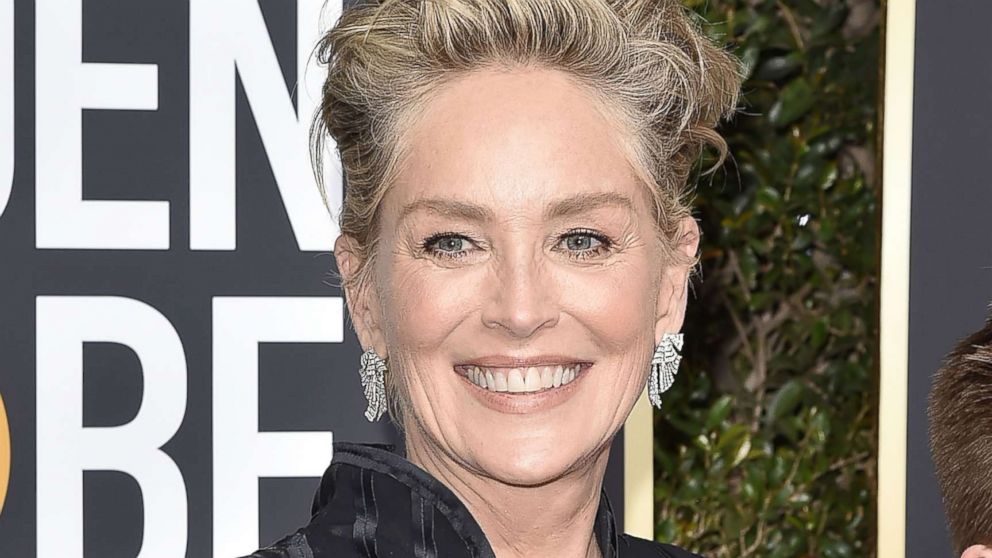
The immediate aftermath was a brutal physical and cognitive dismantling. But as the glitzy world of Hollywood receded, something more interesting emerged: a woman engaging in the deeply human act of reconstruction. The silence that followed her stroke was deafening, exposing the hollow nature of fame-based relationships. This loneliness, while devastating, proved fertile ground. It forced a confrontation with the self that existed without applause. The people who remained—caregivers, true friends—modeled a value system based on compassion, not currency.

This fundamental recalibration reshaped her entire creative output. When she returned to acting, it was with the freedom of an artist, not the anxiety of a former A-lister. She pursued roles that intrigued her, not those designed to resurrect a star. More tellingly, she embraced visual art, holding exhibitions and selling paintings. This wasn’t a celebrity hobby; it was the emergence of a new voice, one that communicated through color and form, free from the scripts of her past. Her advocacy work completed this new portrait, using her platform not for self-promotion, but for raw, educational truth-telling about brain health.
Today, Sharon Stone represents a different kind of power. It is the power of perspective, earned through surviving what she calls “the death of the person I had been.” Her legacy is no longer solely tied to Basic Instinct or Casino, but to the courage of her vulnerability and the authenticity of her second act. In a culture obsessed with perpetual relevance, she demonstrates that the most profound evolution can come from letting an old version of yourself go. Her transformation is a masterclass in redefining a life’s work, proving that the most compelling role an artist can play is that of their true, unvarnished self.