Paul McCartney is a name etched permanently into the foundation of modern music. From the frenzied heights of Beatlemania to his prolific solo career, his influence is a constant. Yet, to frame his current life as one of being forgotten is to misunderstand the nature of true legacy. He is not forgotten; he has simply transitioned from the blinding, omnipresent spotlight of a global phenomenon into the enduring, respected light of a living legend. His recent activities reveal not a man fading from memory, but one who continues to live and create with a remarkably youthful spirit, entirely on his own terms. While he may not dominate tabloid headlines daily, his cultural footprint is both indelible and actively expanding.
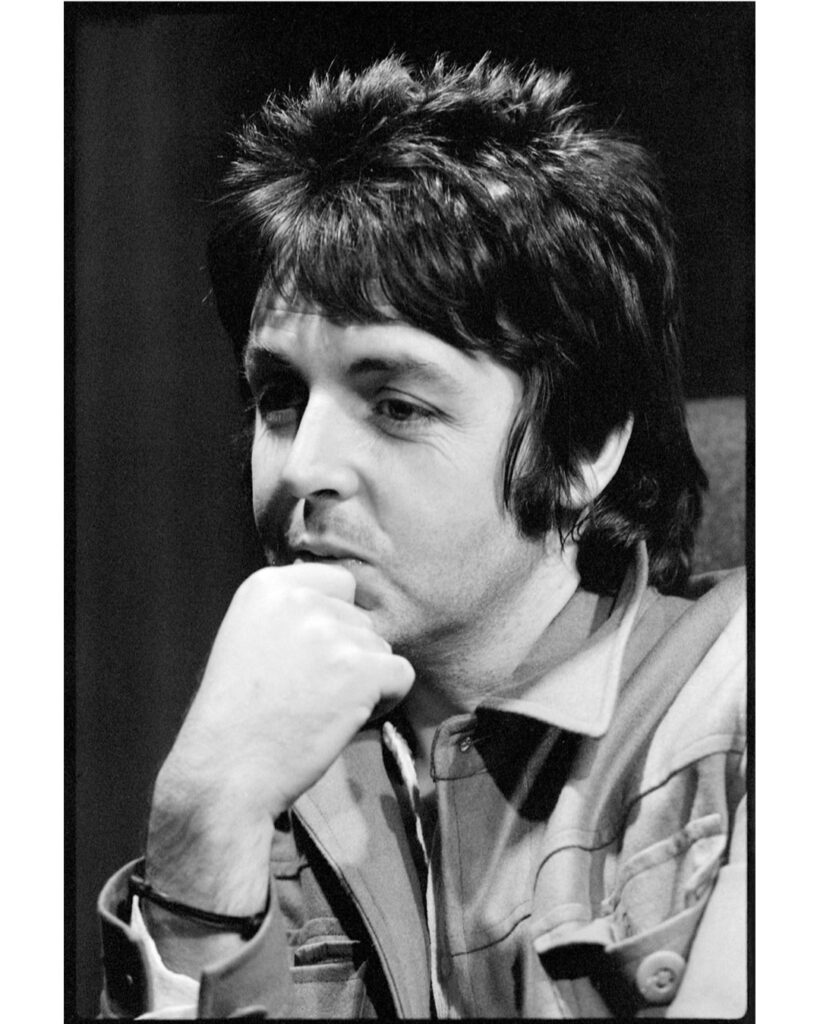
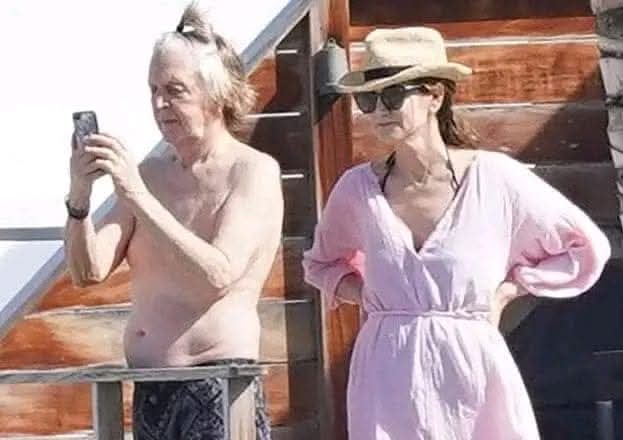
This ongoing vibrancy was recently on display during his holiday in St. Barts. At 78, McCartney was photographed sporting a relaxed man bun, a style as casual and contemporary as it gets. His wife, Nancy Shevell, complemented the scene with her own chic elegance. This image is more than a celebrity snapshot; it’s a statement. It reflects an artist who has never been confined by era or expectation. From the iconic mop-top that defined a generation to long flowing locks and dyed-red hair, McCartney has always used his style as a subtle extension of his artistic persona. Embracing his natural gray and now a simple man bun shows a man comfortable in his own skin, still playful and unafraid to evolve.
His creative output continues to mirror this personal evolution. During the global lockdown, when the world slowed down, McCartney’s artistic drive did not. The result was “McCartney III,” an album written, performed, and produced entirely by himself. In conversations about the project, he described the process with the unassuming air of a craftsman simply tidying his workshop. He had a handful of tunes and, with time on his hands, naturally built them into a full-bodied work. This organic, almost effortless approach to creation underscores a profound connection to his art—it is as essential and natural to him as breathing.
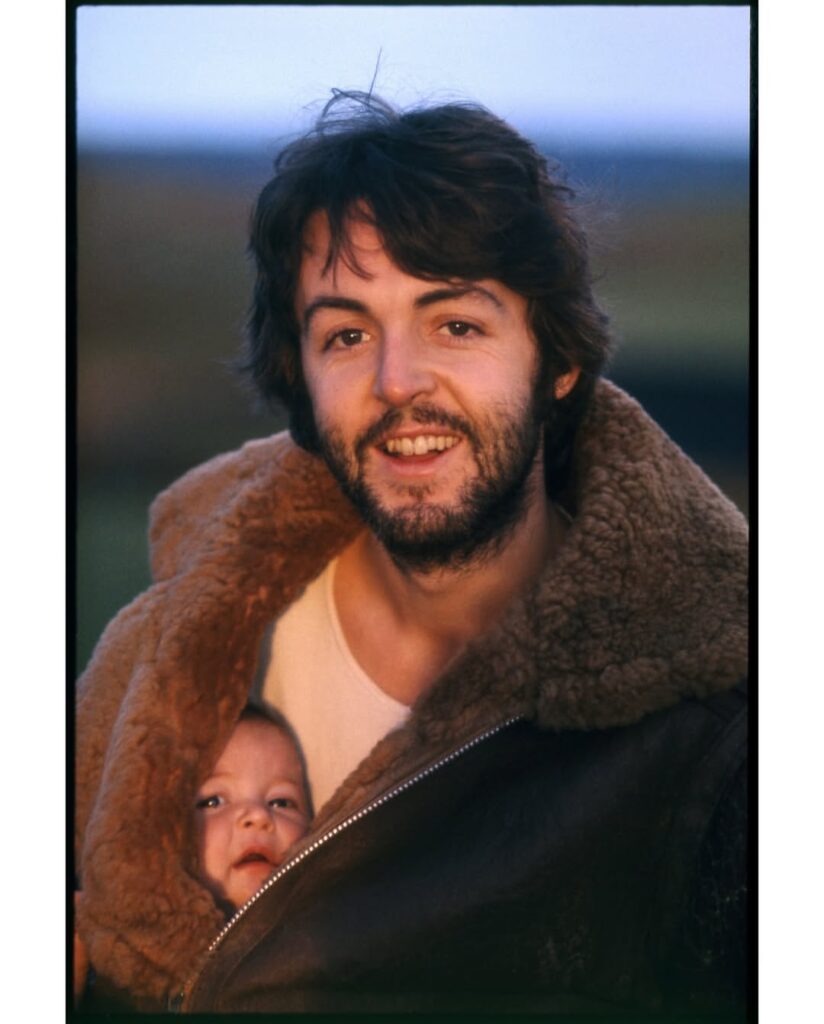
The album’s title consciously links it to his storied past, specifically his first two deeply personal, home-recorded solo albums. “McCartney III” is more than a sequel; it is a testament to a cyclical and self-sufficient creativity that has spanned decades. It proves that the urge to make music, to explore sound and melody, burns as brightly in him now as it did in his twenties. He is not chasing past glory; he is continuing a lifelong conversation with his muse, and inviting listeners to overhear.
To say Paul McCartney is hardly remembered is to confuse constant noise with lasting significance. He operates now in a realm beyond fleeting fame. His legacy is secure, a mountain on the landscape of culture. But he is not a statue upon it; he is still climbing, still planting new flags. Through a new hairstyle, a new album, or a quiet holiday, he demonstrates that the essence of a true artist isn’t about remaining forever at the peak of mainstream hype, but about never losing the spark to explore, experiment, and express, regardless of who is watching.