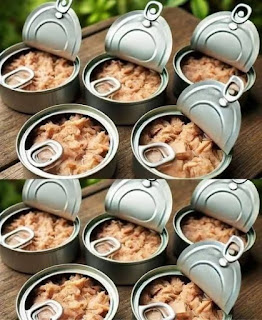
Once the last flake of tuna is gone, that small metal container seems destined for the recycling bin—or worse, the trash. But before you toss it, consider this: that unassuming can is a blank slate, brimming with potential for a second act. Repurposing everyday items like tuna cans is a wonderfully straightforward entry point into a more sustainable lifestyle. It’s a creative challenge that proves eco-conscious living doesn’t require a big budget or special skills, just a willingness to see the hidden utility in the objects we often overlook. With a simple wash and a spark of imagination, you can transform waste into something both beautiful and practical.
One of the most delightful transformations is turning a tuna can into a vessel for light and life. Cleaned and dried, it becomes the perfect foundation for a homemade candle. Pour in your preferred wax, add a wick, and you have a charming, rustic tealight holder. You can elevate it further by painting the exterior a bold color, wrapping it in rustic jute twine, or decoupaging it with pretty paper. If you have a green thumb, that same can is an instant planter. Poke a few holes in the bottom for drainage, fill it with soil, and plant a small herb like thyme or a resilient succulent. These mini gardens bring a cheerful, sustainable touch to kitchen windowsills or office desks.
Beyond decoration, these sturdy little tins are organizational powerhouses. Their uniform size and durable build make them ideal for corralling all sorts of small items that tend to create clutter. Use them to sort buttons and threads in a sewing kit, to hold paintbrushes and pencils on a craft table, or to organize paperclips and pushpins in a home office. You can mount several on a painted board to create a sleek, custom organizer for a workshop wall. A coat of spray paint in a uniform color instantly unifies them, turning a collection of recycled items into a deliberate and stylish storage system.
Engaging children in giving these cans a new purpose is a fantastic way to foster creativity and teach lessons about reusing materials. They can be decorated with stickers, beads, and glitter to become colorful banks for spare change or unique holders for cherished trinkets. With careful attention to smoothing any sharp edges, a clean tuna can also serve as a perfect temporary paint-water cup for art projects or a small dish for pet food during travel. Each new use is a small victory against waste.
Ultimately, the humble tuna can is a testament to mindful consumption. By choosing to wash it out and reuse it, we interrupt the cycle of disposal and actively participate in a more resourceful way of living. These small projects remind us that sustainability isn’t a distant, abstract goal. It’s a hands-on practice found in the simple, satisfying act of looking at an empty can and seeing not an end, but a charming new beginning.