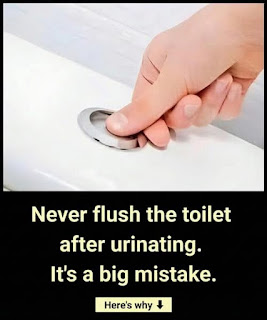
We do it dozens of times a week without a second thought: the push of a toilet handle, the familiar rush of water. It’s an ingrained habit, synonymous with cleanliness and good hygiene. But as the world grows more conscious of its limited resources, this automatic action is worth a moment of reflection. The goal isn’t to abandon flushing, but to introduce mindfulness into our daily routines. By asking a simple question—”Is this flush necessary right now?”—we can begin to see how small, habitual uses of water accumulate into a significant impact on our communities and the environment.
The water that swirls away with every flush is not just any water. It is treated, drinkable water, purified to a high standard at considerable energy and financial cost. A single flush can use several gallons of this precious resource. Multiply that by the number of people in a home, the flushes per day, and the days in a year, and the total becomes staggering. For families in areas facing drought or high utility costs, this represents a substantial and often overlooked expense. Recognizing that we are using drinking water for a purpose that doesn’t always require such purity is the first step toward more conscious consumption.
Adopting a more selective flushing habit is a practical choice for many households focused on sustainability. This practice, sometimes summarized by the phrase “if it’s yellow, let it mellow,” is about discernment, not neglect. It hinges on mutual agreement among household members and a commitment to maintaining overall cleanliness through regular cleaning and proper ventilation. The aim is to find a sensible balance, reducing water waste without compromising on hygiene or comfort. It’s a personal adjustment that turns an unconscious act into a small, daily gesture of environmental stewardship.
Of course, this approach isn’t for everyone, and it’s certainly not suitable for shared public spaces. The good news is that technology offers excellent alternatives. Installing a dual-flush toilet provides a built-in choice, allowing a reduced volume for liquid waste. Water-efficient, low-flow models are designed to use far less water per flush without sacrificing performance. These upgrades make conservation effortless and automatic, seamlessly integrating water savings into the existing rhythm of home life without requiring a change in habit.
Ultimately, water conservation in the bathroom is about awareness and option. Whether you choose to flush less often, invest in a more efficient fixture, or simply become more mindful of the resource flowing through your pipes, every bit helps. It’s not about imposing a single rule, but about empowering households to make informed choices that align with their comfort level and environmental values. By reexamining this one small, automatic act, we connect our daily lives to the broader, vital effort of preserving our planet’s freshwater for future generations.