In the curated world of celebrity, where luxury is often flaunted as a default, Ben Affleck provided a counter-narrative that the internet devoured. A video of him shopping with his son Samuel featured a request for $6,000 sneakers and a response that was gloriously ordinary: a joke about mowing lawns. This snippet went viral not for its glamour, but for its stark normalcy. It presented a billionaire movie star engaging in the universal parental dance of managing extravagant requests with grounded principles.
The exchange was perfectly crafted. Affleck’s lawn-mowing quip did several things at once. It acknowledged the request without immediate dismissal, set a condition that emphasized effort over expenditure, and injected humor to defuse tension. His follow-up tease—that Samuel only liked the price tag—challenged the boy to articulate a genuine reason for his desire. It was a micro-lesson in intentional consumption, delivered not from a podium, but from the aisle of a sneaker convention.

The public’s enthusiastic approval highlights a cultural appetite for celebrities who parent against type. The praise comments, like “good dad” and “he raised his kid well,” reveal a collective sigh of relief when famous figures model financial responsibility and anti-entitlement. In a society often critical of “nepo baby” culture, Affleck’s stance was a refreshing example of using privilege to teach humility, not simply to provide unlimited access.
@gotsole Ben Affleck might have to buy his son Dior 1’s 👀 #sneakers #fyp #BenAffleck
The punchline, delivered by Affleck weeks later, sealed the deal. The shoes lost their appeal once work was attached to them, a reality every parent recognizes. His candid explanation—”You do not need thousand dollar shoes… I have the money, you’re broke!”—is a foundational parenting truth spoken without filter. It draws a clear line between parental assets and a child’s personal resources, a crucial distinction for developing independence.
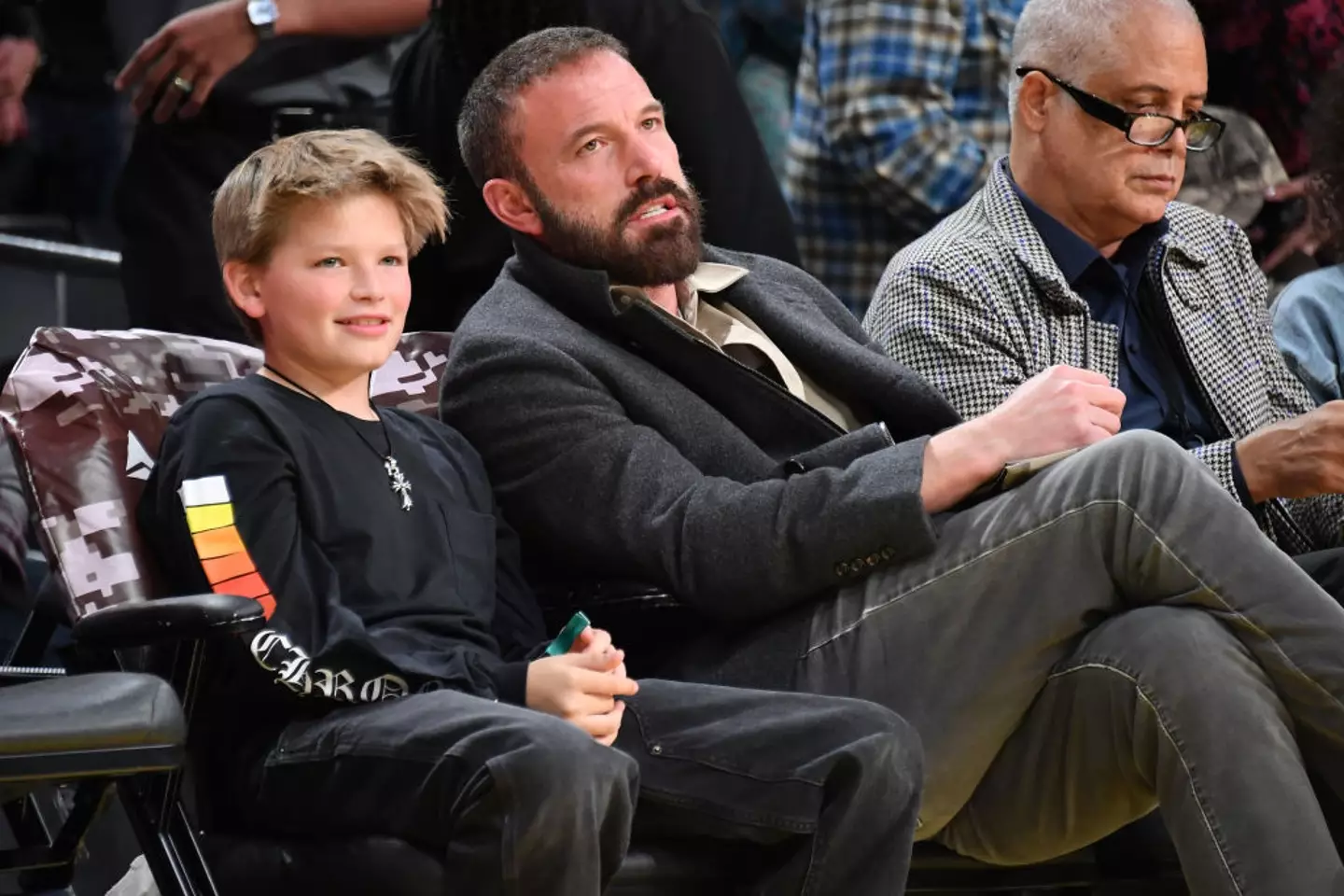
Ultimately, this viral moment is about more than sneakers. It’s about the performance of parenthood under a spotlight and choosing to perform authenticity. Affleck, whether consciously or not, leveraged his platform to normalize saying “no,” to value work, and to prioritize character over commodities. In doing so, he offered a playbook that resonates far beyond Hollywood: the most impactful lessons are often the simplest, and sometimes, the best thing a parent can give a child isn’t a thing at all, but a perspective.