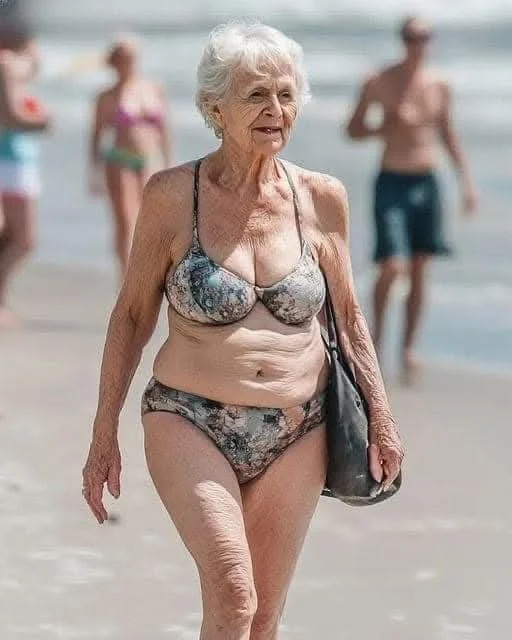
Every summer, as the sun grows stronger, so too does a familiar, unwelcome cultural ritual. The seasonal shift is marked not just by blooming flowers, but by a renewed, invasive scrutiny of women’s bodies. Media outlets and casual observers alike seem to grant themselves a pervasive license to comment, critique, and shame. This relentless focus has transformed what should be a season of leisure into a period of intense, public judgment, reinforcing impossible standards and turning beaches and parks into arenas of silent, self-conscious performance.
This phenomenon operates with a particular, painful ferocity. The concept of the “bikini body” is weaponized, creating a narrow, often unattainable ideal. Paparazzi lenses lie in wait, not to capture a person’s joy, but to freeze an unflattering moment—a pose, a cellulite dimple, a natural roll of skin—that can be splashed across tabloids and social media feeds. The commentary that follows is rarely about the woman’s accomplishments or humanity, but dissects her physical form as public property. Women deemed “too old” or “too big” to wear a swimsuit face a torrent of unsolicited opinions, while their male counterparts, aging gracefully in swim trunks, largely escape this microscopic, mean-spirited inspection.
The toll this takes is profound and deeply personal. This constant external noise has a way of becoming internal dialogue. It seeds and feeds body dissatisfaction, anxiety, and a pervasive sense of never being enough. The pursuit of an airbrushed ideal drives many toward extreme diets and dubious wellness trends, not for health, but for the desperate hope of escaping public ridicule. The mental health impact is a quiet epidemic, with the seasonal barrage of imagery and criticism exacerbating issues like poor self-esteem and disordered eating for countless women.
Yet, a powerful counter-movement is growing. Women are increasingly pushing back, reclaiming the narrative one confident sunbath at a time. The philosophy of body acceptance and radical inclusivity is gaining ground, championed by voices that celebrate diversity in size, age, and shape. This movement is not about promoting one body type over another, but about dismantling the hierarchy altogether. It insists that a body is not a problem to be solved, but a vessel for living, deserving of respect and unburdened by shame.
The path forward requires a collective shift. We must critically examine the media we consume and the comments we make or tolerate. True change means celebrating the sheer variety of the human form and understanding that comfort and confidence are the only prerequisites for any summer outfit. Let this season be different. Let us redirect our gaze from judgment to joy, and our commentary from criticism to celebration. A woman’s right to feel the sun on her skin should never be contingent on the approval of a stranger’s eye. This summer, the only standard should be the freedom to be, unabashedly, yourself.