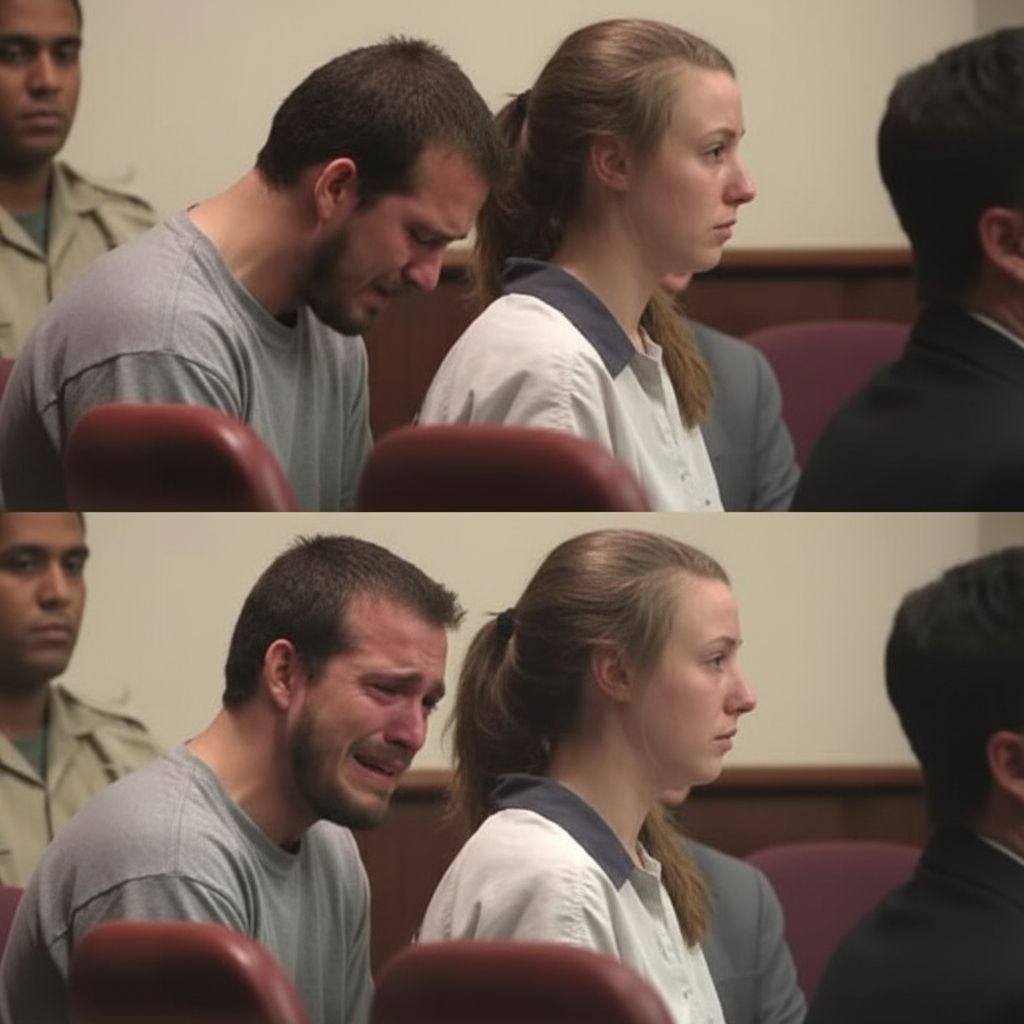
A courtroom in Georgia delivered a resounding verdict, but for the family at the heart of the case, the journey is far from over. The sentencing of Jose Torres and Kayla Norton for a racist tirade at a child’s birthday party represents a pivotal moment in the fight against hate crimes. It demonstrates that the law can see racial intimidation for what it truly is: a form of terrorism aimed at a whole community through its most vulnerable moments. This case lays bare the complex interplay between legal justice and the much slower, more arduous path to emotional and communal healing.
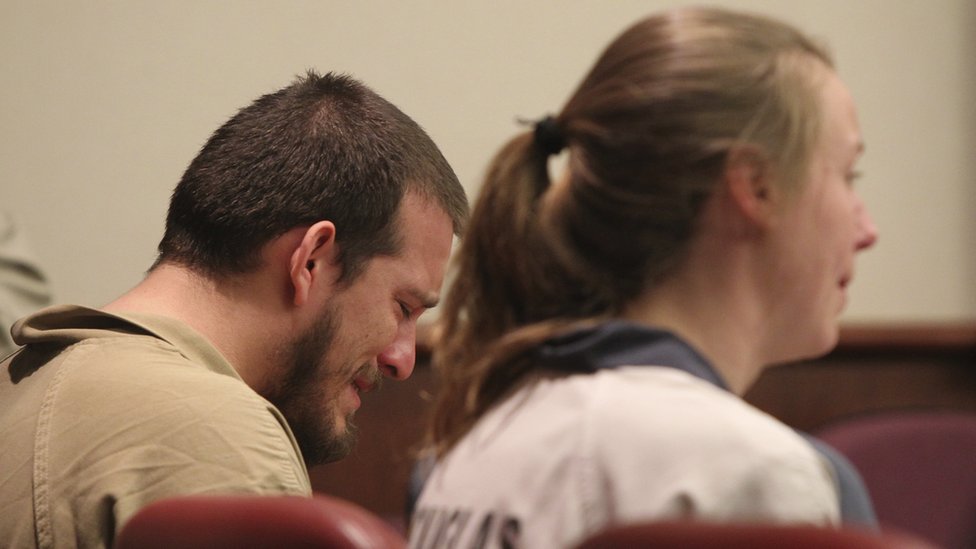
Imagine the scene: balloons, cake, and children’s laughter suddenly interrupted by the roar of a truck, the sight of a Confederate flag, and a barrage of hateful language. The perpetrators weaponized both symbolism and speech to transform a sacred family space into one of trauma. Their goal was to dominate and demean, to assert a twisted racial hierarchy in a suburban yard. This calculated cruelty highlights how hate crimes are often theatrical, designed to maximize humiliation and fear not just for the immediate victims, but for any who would hear about it later.
The legal consequences were substantial. With sentences of 20 and 15 years in prison, the system acknowledged the gravity of the threat. Classifying the acts as hate crimes under Georgia law was particularly significant, as it formally recognized the racial animus as the core motivation. This legal framing is essential because it names the problem correctly. It moves beyond generic charges of assault or threats and specifically condemns the racial targeting, sending a deterrent message to others who might be fueled by similar prejudice.
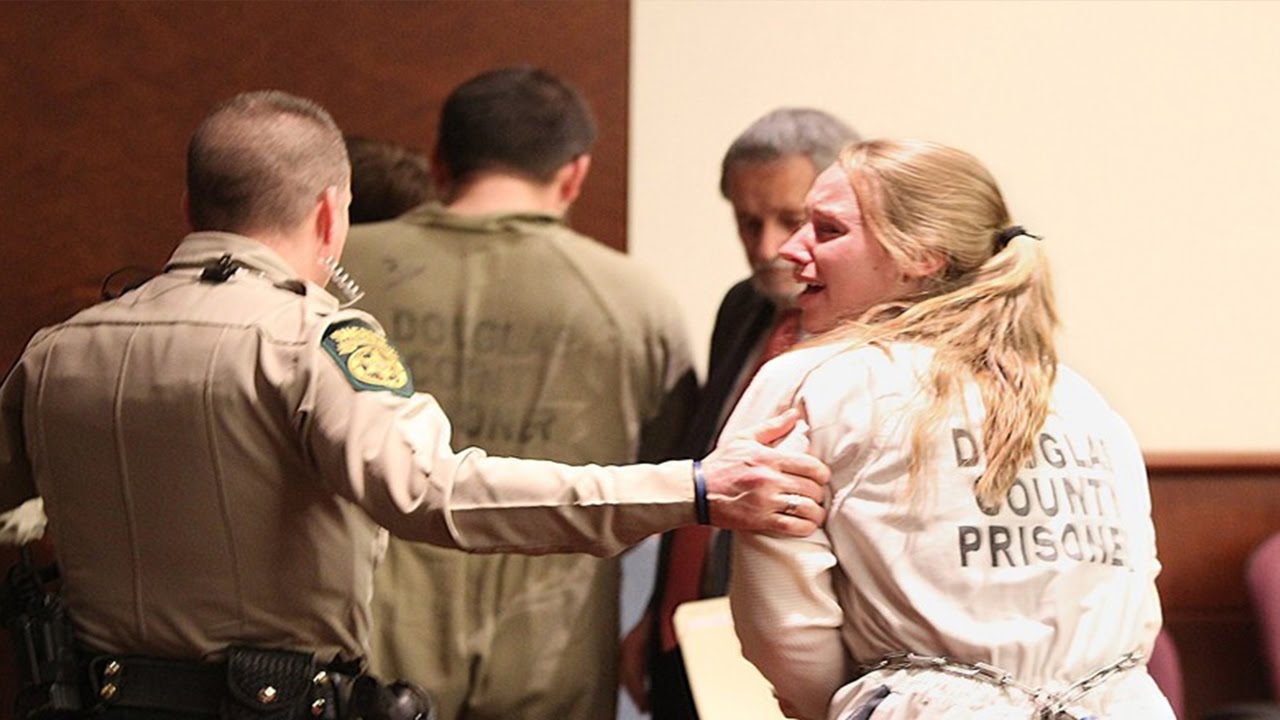
Yet, no prison sentence can give back the sense of security that was stolen. The family will carry the memory of that day, and the children involved may grapple with its implications for years. Furthermore, the case exposes a lingering societal sickness—the belief that some individuals have the right to menace others based on skin color. While the courtroom dealt with the criminals, the community at large is left to confront the environment that, in some way, enabled their boldness. Justice in court is a closure, but it is not a cure.

Therefore, this case must be a beginning, not an end. It is a stark wake-up call about the work still required to root out the ideologies of hate. It challenges schools, community leaders, and ordinary citizens to actively foster inclusivity and reject the symbols and rhetoric of division. True safety emerges from cultural change, from making racism socially and morally unacceptable. The Georgia couple’s conviction is a strong stand for justice, but the ultimate victory will be a world where such stands are no longer necessary, where every birthday party is just a birthday party.