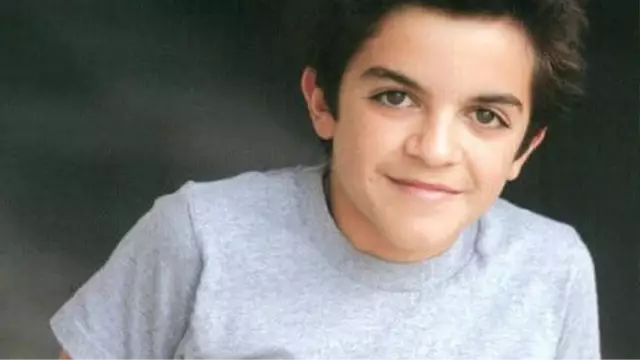
A viral social media video has unearthed a distressing chapter in the life of Tylor Chase, the actor who played Martin Qwerly on the beloved Nickelodeon series Ned’s Declassified Survival Guide. The footage shows a 36-year-old Chase, looking far removed from his television heyday, in a state that suggests he is homeless. The clip has ignited widespread concern from fans who fondly remember the show that aired from 2004 to 2007, prompting immediate desires to offer financial aid.
However, the narrative took a significant turn when the TikTok user who posted the video shared a communication from Chase’s mother. In a sobering message, his mother intervened to explain why direct financial help could be dangerous. She detailed his inability to manage money or medication, noting his rapid loss of any phones given to him. Her revelation reframed the situation from one of simple economic need to one of severe mental health crisis. She expressed appreciation for the public’s compassion but stressed that her son requires professional medical assistance above all else.

The tragedy is compounded by the perspective of those who knew him during his fame. Devon Werkheiser, his co-star from the series, publicly shared his heartbreak, remembering Chase as a sweet and sensitive child. Werkheiser’s statement acknowledged the grim reality that without the individual’s willingness to accept help, the situation remains tragically stagnant, a sentiment that resonates with countless families dealing with similar struggles.
Authorities in Riverside, California, where Chase is frequently located, have confirmed the ongoing nature of the issue. Police report weekly encounters and consistent offers of comprehensive support—including mental health services and housing—all of which Chase has refused. This aspect of the story underscores a critical, often frustrating element in addressing homelessness and addiction: the limits of external help when internal readiness is absent.
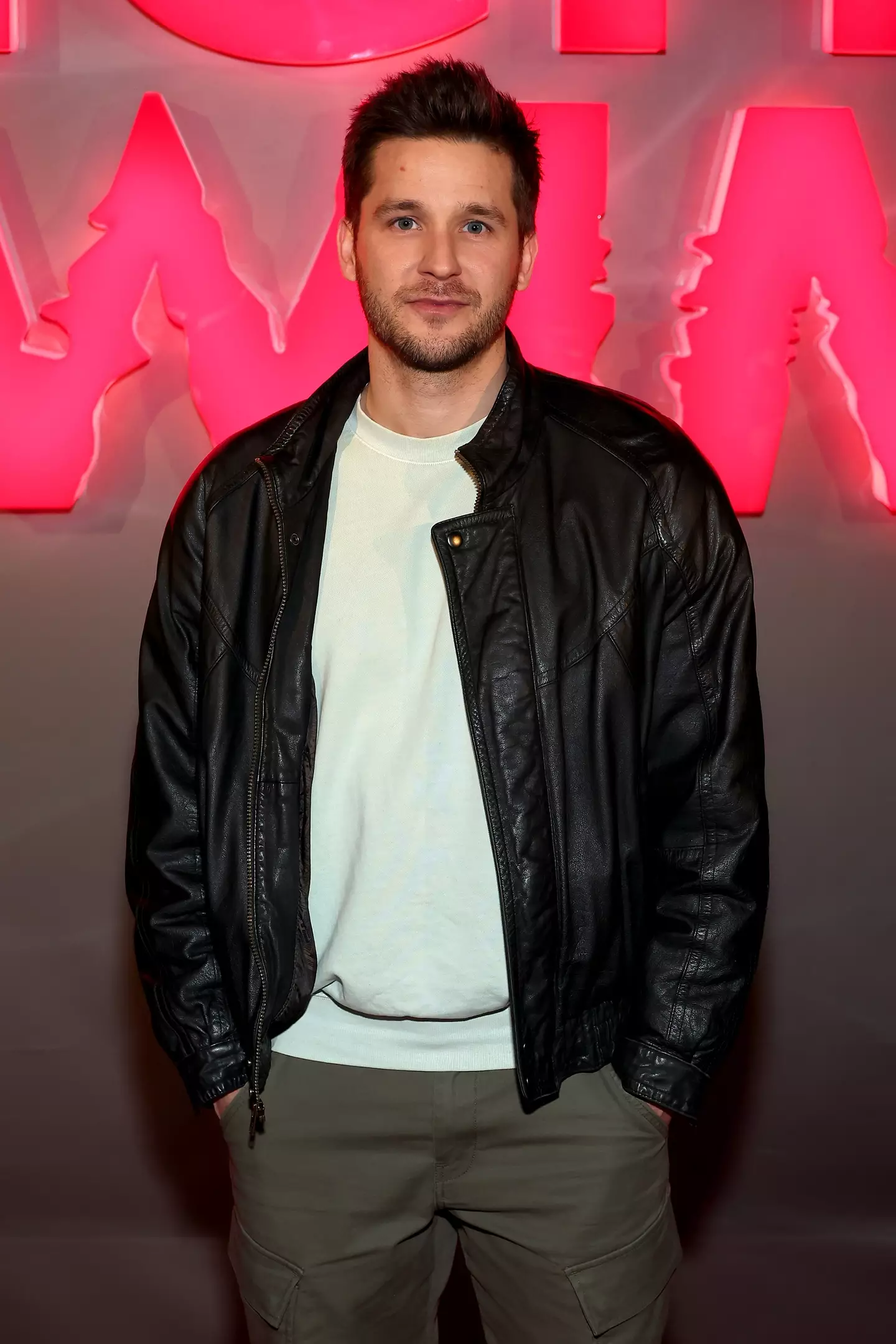
The conversation around Tylor Chase has evolved from shock and charity to a more nuanced discussion about mental health, the aftermath of child stardom, and the complexities of intervention. His mother’s public warning serves as a crucial guidepost, steering public sympathy away from potentially harmful quick fixes and toward a deeper understanding of the kind of sustained, professional care truly needed. It’s a painful reminder that some rescues cannot be crowdfunded; they require a readiness to heal that no amount of money can buy.