Audiences knew Jennette McCurdy as the witty, rebellious sidekick on their favorite shows. What they didn’t see was the girl whose real life was a script she didn’t write. Her early years in Southern California were dominated by her mother’s illness and the resulting hoarding that cluttered their home to the point of dysfunction. Childhood simplicity was replaced by the pressure to be perfect, to stabilize a unstable household. When she expressed a fleeting interest in acting, her mother saw an opportunity and steered her into auditions, launching a career that would soon bankroll the family.
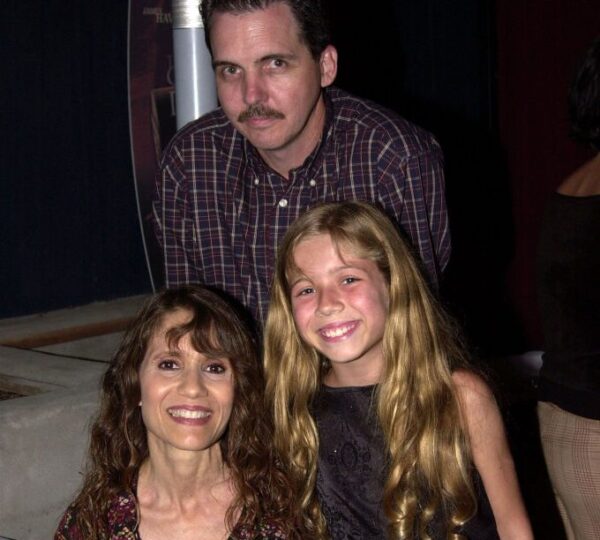
The success came quickly, but at a steep cost. Jennette became the main provider while still a child, her earnings supporting a home environment she had no power to change. Her mother’s management extended far beyond career advice into obsessive control over her body and privacy, planting the seeds for severe eating disorders and deep-seated shame. On camera, she exuded confidence; off camera, she navigated a Hollywood system that she felt exploited her youth, with some influential figures creating uncomfortable and compromising situations for a teenager.

When her mother died, Jennette was thrust into a confusing freedom. The architecture of her life—built entirely on her mother’s demands—had collapsed. The grief was compounded by relief and a profound identity crisis. Therapy became essential as she began to dissect the trauma and recognize that her acting career was an extension of her mother’s control, not her own passion. This realization led to her boldest decision: to leave the spotlight and the only profession she had ever known.
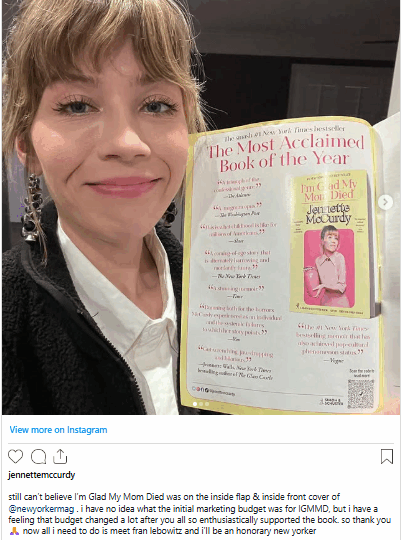
Her healing path led her to the page. Writing her memoir, I’m Glad My Mom Died, was an act of incredible bravery. It was an unflinching account of parental manipulation, industry exploitation, and the shocking discovery of her true paternity. The book’s success proved how hungry the world was for this kind of raw honesty. It transformed her from a former star into a respected voice on trauma and recovery, showing others that speaking your truth can be the ultimate liberation.
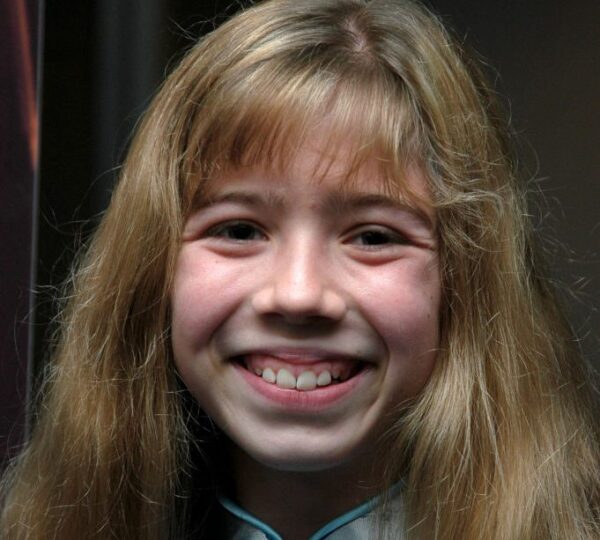
Today, Jennette has reinvented herself. She engages with the world through podcasts and writing, offering hard-won wisdom on setting boundaries and self-compassion. In a poignant reclaiming of her narrative, she is now turning her memoir into a TV series, ensuring the story is told with her own vision. Her evolution from a child who performed for a paycheck to a woman who shares her story for purpose is a powerful reminder. It shows that even after the brightest lights fade, you can still find your own way in the dark, and eventually, learn to shine for yourself.