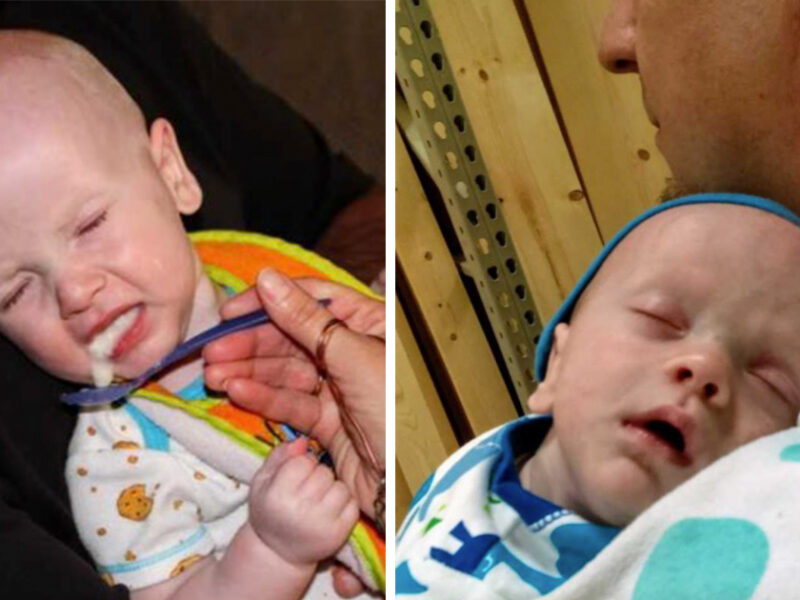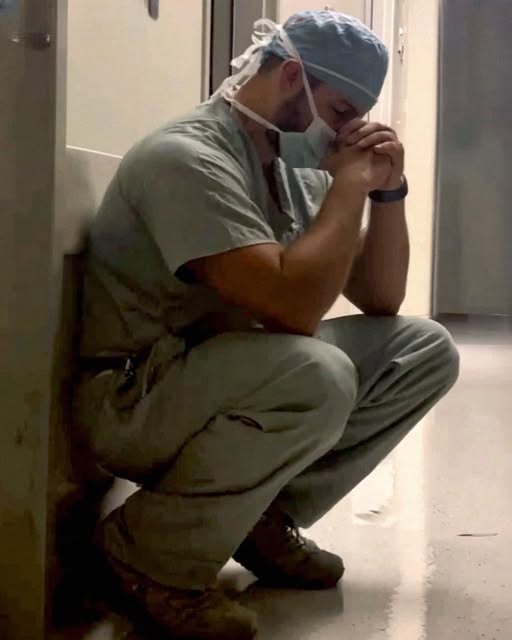
It began with a boy on an operating table. Twenty years later, it ended with his mother on one. As a young surgeon, my first solo case was a five-year-old named Ethan. He was brought in after a terrible car crash, his small body broken and his heart literally bleeding into his chest. The procedure was a desperate, high-stakes battle against time. His survival felt like a miracle, a fragile victory I carried with me through a career and a life that often felt lonely. I didn’t know that saving him would write the first chapter of a story that would take two decades to finish.
I remember the surreal moment I realized Ethan’s mother was Emily, my high school sweetheart. In the harsh light of the ICU waiting room, her face was a map of terror and a doorway to the past. Holding her as she cried with relief, I felt a strange, profound shift. I had saved her child. That connection, however brief, became a quiet anchor in my memory. She sent a thank-you note I kept for years, a token from a life that moved on without me. Ethan recovered, his face marked by a scar shaped like a lightning bolt, and then they both faded from my world as patients often do.
Two decades passed. I became a seasoned surgeon, respected and somewhat isolated, my personal life a series of near-misses. Then, on an ordinary tired morning, the past erupted in a hospital parking lot. A young man was screaming at me, his face twisted with a hatred so pure it was physical. He was furious over a poorly parked car blocking his way. Then I saw the scar. It was Ethan, now a grown man, and he was shouting that I had ruined his entire life. The accusation was a knife to the heart. Before I could process it, I saw the woman slumped in his passenger seat—gray, unconscious, and in critical distress.
It was Emily. In an instant, the angry stranger became a terrified son, and my role shifted from accused to doctor. We moved cars, mobilized a team, and rushed her inside. The diagnosis was a catastrophic aortic dissection. When I realized no other senior surgeon was available, I knew I had to be the one to operate. Standing over her in the OR, recognizing the freckles and the curve of her cheekbone beneath the medical equipment, was the most profound dissonance of my life. My hands, which had once fought for her son’s heart, now fought for hers.
After the surgery, I found Ethan in the waiting area, his anger evaporated into raw fear. I told him his mother would live. The relief that crumpled him was heartbreaking. When I quietly revealed who I was—the surgeon from his childhood—his world turned inside out. He confessed a lifetime of pain, of blaming the scar and the crash for his parents’ divorce and his own struggles. But in that moment of nearly losing his mother, he said he would endure it all again just to keep her. That forgiveness, born from shared trauma, was our second miracle. Today, Emily is recovering, and we sometimes share coffee, three people forever linked by two surgeries, two saves, and the complicated truth that saving a life is just the beginning of the story.