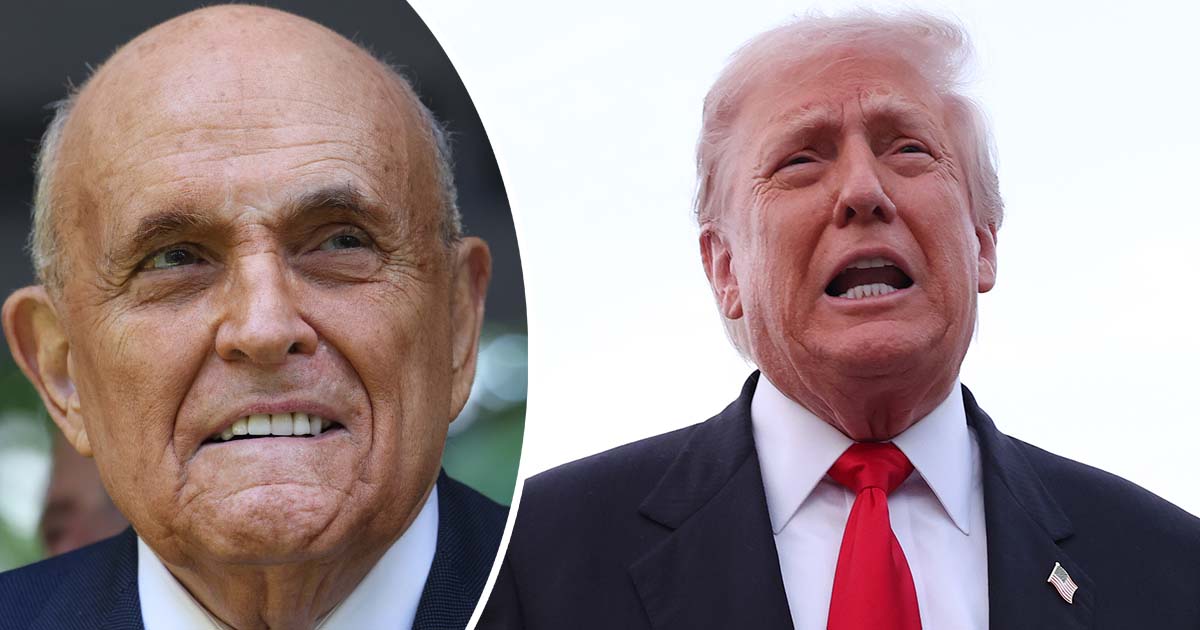
In a significant political move, former President Donald Trump has issued a sweeping series of pardons for dozens of individuals who were central to the effort to challenge the results of the 2020 presidential election. The action, announced on Sunday, represents a major development in the ongoing political and legal narratives surrounding that period. The list of pardoned individuals includes some of Trump’s most prominent allies, signaling a clear stance on the events that followed the last election.
Among the most notable names receiving a “full, complete, and unconditional” pardon is Rudy Giuliani, the former New York City mayor who served as a personal attorney for Trump. The list also includes Mark Meadows, who was Trump’s chief of staff at the time, and attorneys John Eastman and Kenneth Chesebro, who were instrumental in developing the legal strategy focused on the role of the vice president in the electoral count. Their efforts were aimed at overturning the election outcome in several key states.
The practical legal effect of these pardons is largely symbolic. This is because none of the individuals on the list had been convicted of federal crimes related to these actions. The power of a presidential pardon applies only to federal offenses, meaning it does not protect individuals from potential state-level charges. Several of those pardoned are currently involved in legal proceedings in states like Georgia and Arizona, where investigations into the attempt to subvert the election are ongoing.
The official pardon document uses broad language, covering conduct related to the “advice, creation, organization, execution, submission, support, [and] advocacy” for any slate of presidential electors. It also includes actions taken to “expose voting fraud and vulnerabilities” in the 2020 election. This wide-ranging wording offers extensive protection for a wide range of activities connected to the post-election period, effectively absolving the recipients of federal liability for their roles.
The timing and details of the signing have added another layer of intrigue to the announcement. The released documents did not include a specific date, leaving it unclear exactly when the president formally approved the pardons. This move has instantly reignited debate over the limits of executive clemency power and its use in politically charged circumstances, ensuring that the story of the 2020 election will remain at the forefront of national conversation.