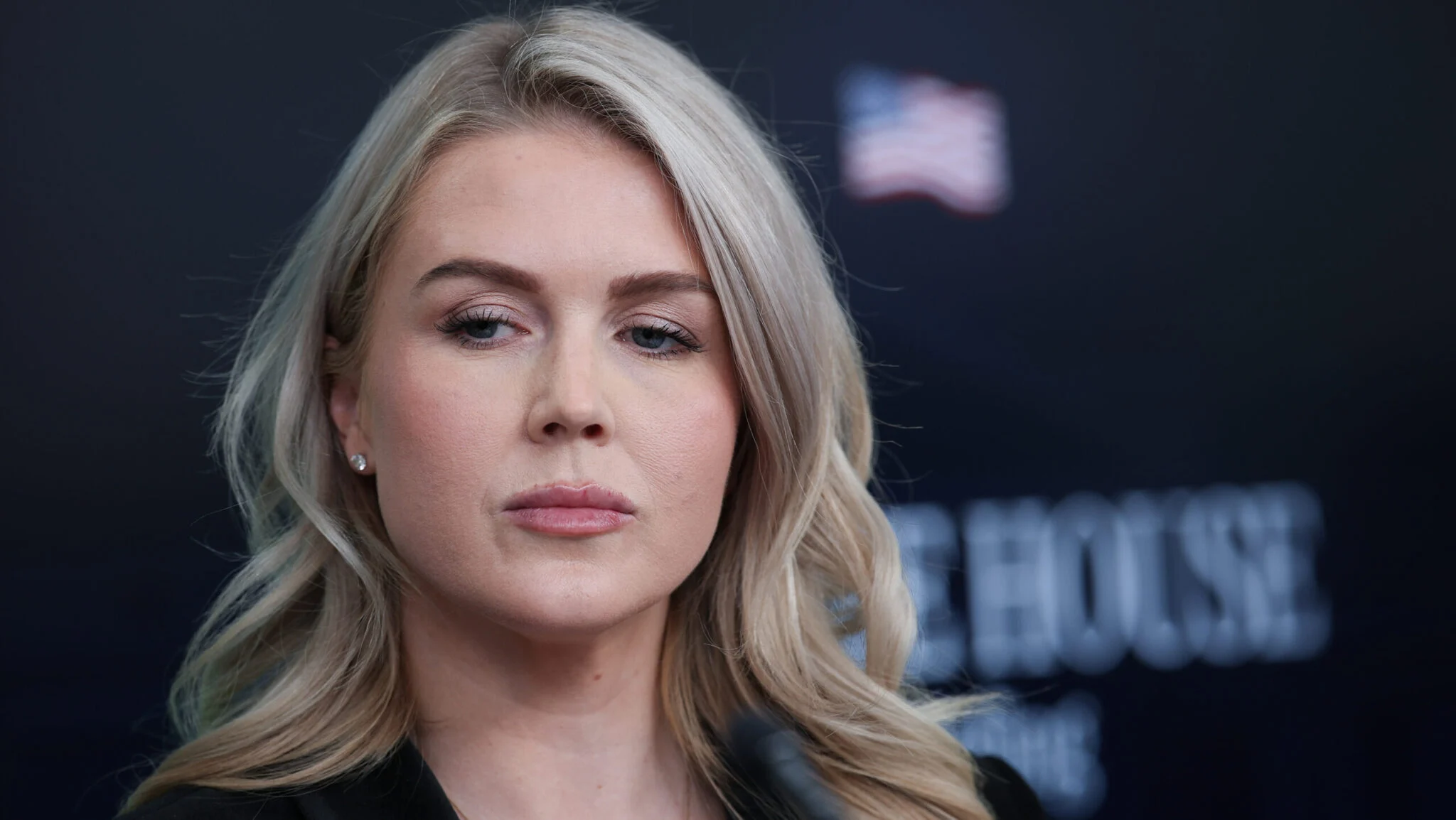
A photographic portrait has ignited a fierce debate about media intent and personal image. Vanity Fair’s profile of Trump administration officials featured a series of intimate, close-up shots, with one of Press Secretary Karoline Leavitt attracting outsized attention. The extreme close-up, showcasing fine details, was met with immediate backlash online. Many social media users were convinced the publication had deliberately sought to humiliate Leavitt, citing visible pores and marks they attributed to cosmetic procedures. The conversation swiftly degraded into personal attacks on her age and appearance, demonstrating how a political figure’s image can become a free-for-all for public critique.
The strong reaction was rooted in a belief of malicious coordination. Commenters speculated that from the lighting to the final edit, multiple professionals had to conspire to create such an “unflattering” shot. This perspective frames the image not as a happenstance of style, but as an act of visual politics—a weaponized portrait. For supporters of the administration, it confirmed suspicions of hostile media bias. For detractors, it was a revealing and justified peek behind the curtain. The photograph ceased to be a picture and became a polemic, its meaning entirely dependent on the viewer’s political stance.
Photographer Christopher Anderson, whose body of work includes similarly probing portraits of world leaders and celebrities, pushed back against the accusation of bias. He described his methodology as an attempt to bypass political performance and capture a more essential, human presence. The closeness, he argued, is not a tool for mockery but for connection and revelation. This artistic statement clashes directly with the public’s politicized interpretation, creating a standoff between authorial intent and audience perception. It underscores a modern truth: an artist’s explanation often carries less weight than the public’s predetermined narrative.
The enduring significance of this episode lies in its highlighting of a double standard and a cultural shift. Political portraiture has a long history of being stage-managed and symbolic. Anderson’s approach disrupts that tradition, applying a raw, journalistic intimacy more common in war photography or celebrity candids to sitting officials. The intense discomfort it provokes asks a pointed question: are we entitled to see our political figures in this vulnerably human way, or does their role demand a more controlled, dignified representation? The controversy over this portrait isn’t just about one person or one magazine; it’s a struggle over who controls the image of power, and what we, the public, are really prepared to see.