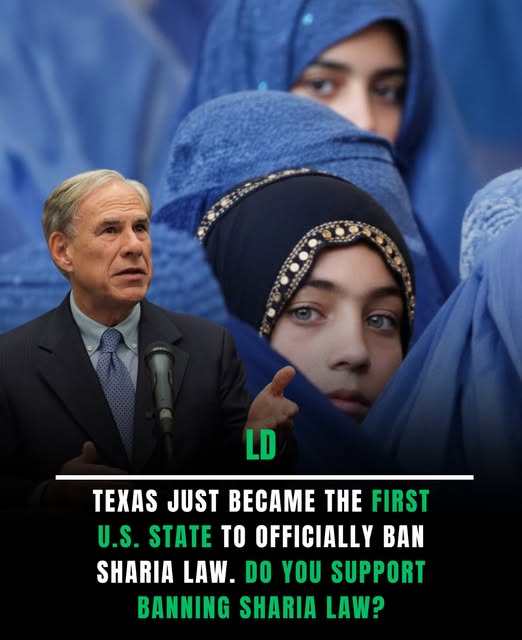
Texas has ignited a nationwide legal and cultural conversation by enacting a law that explicitly prohibits state courts from considering foreign or religious legal codes, including Sharia law, in civil and contractual disputes. This legislation, the first of its kind in the nation, mandates that all legal judgments be based solely on U.S. and Texas state law. Proponents champion it as a necessary defense of constitutional supremacy and American legal tradition, while critics decry it as a solution in search of a problem, one that risks stigmatizing Muslim communities and infringing upon religious freedom. The law forces a direct confrontation over the boundaries between religious practice, private contract, and state authority in a pluralistic society.
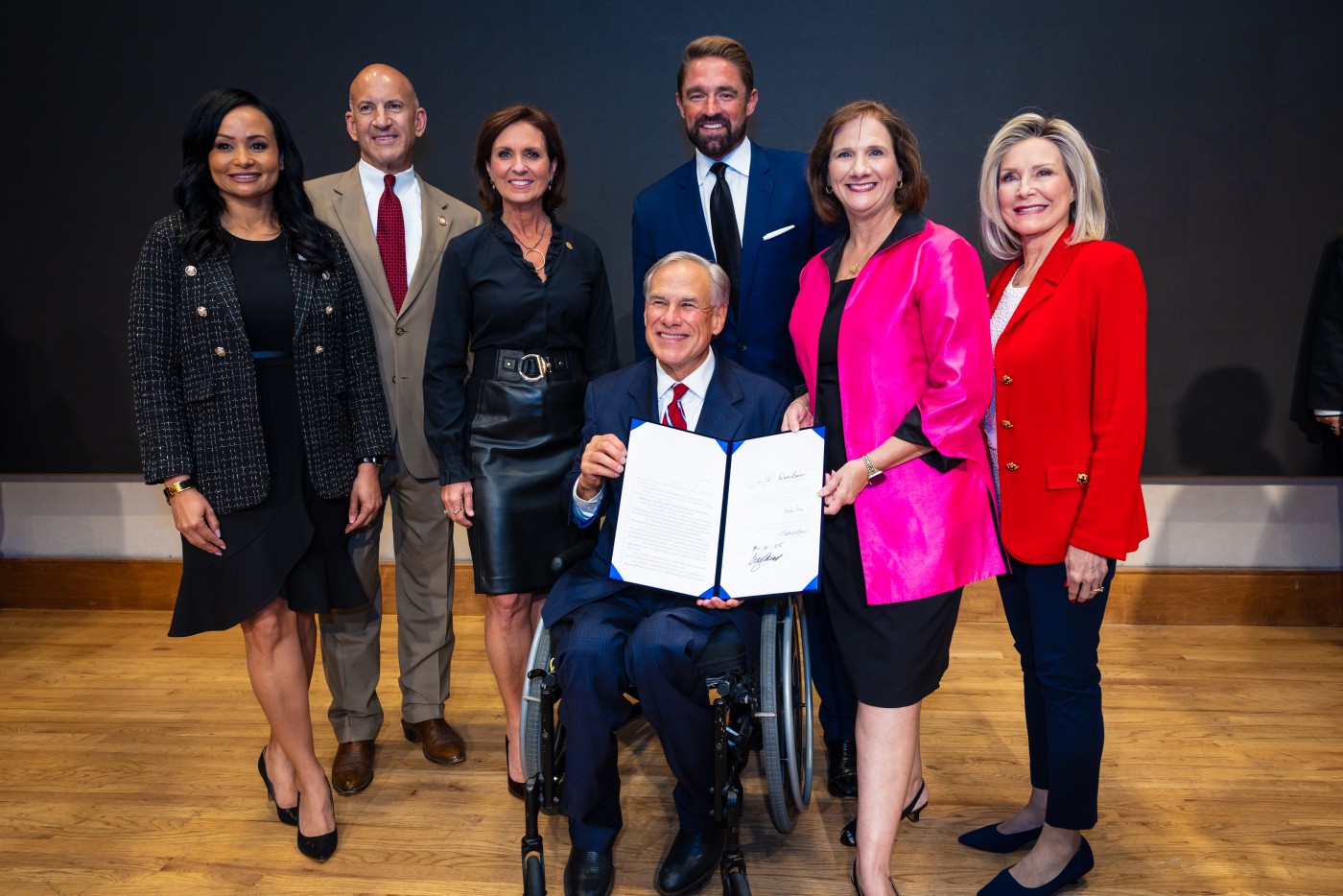
The law’s supporters frame it as a protective measure for the integrity of the American legal system. They argue that allowing any religious or foreign legal principles to influence court decisions creates a dangerous precedent that could undermine constitutional rights and the uniform application of justice. Their stance is not presented as an attack on any specific faith, but as a principled stand for legal secularism. They contend that in an increasingly globalized world, clear boundaries are essential to prevent potential conflicts where personal religious law might be invoked in ways that contradict fundamental American liberties, particularly in sensitive areas like family law or arbitration agreements.
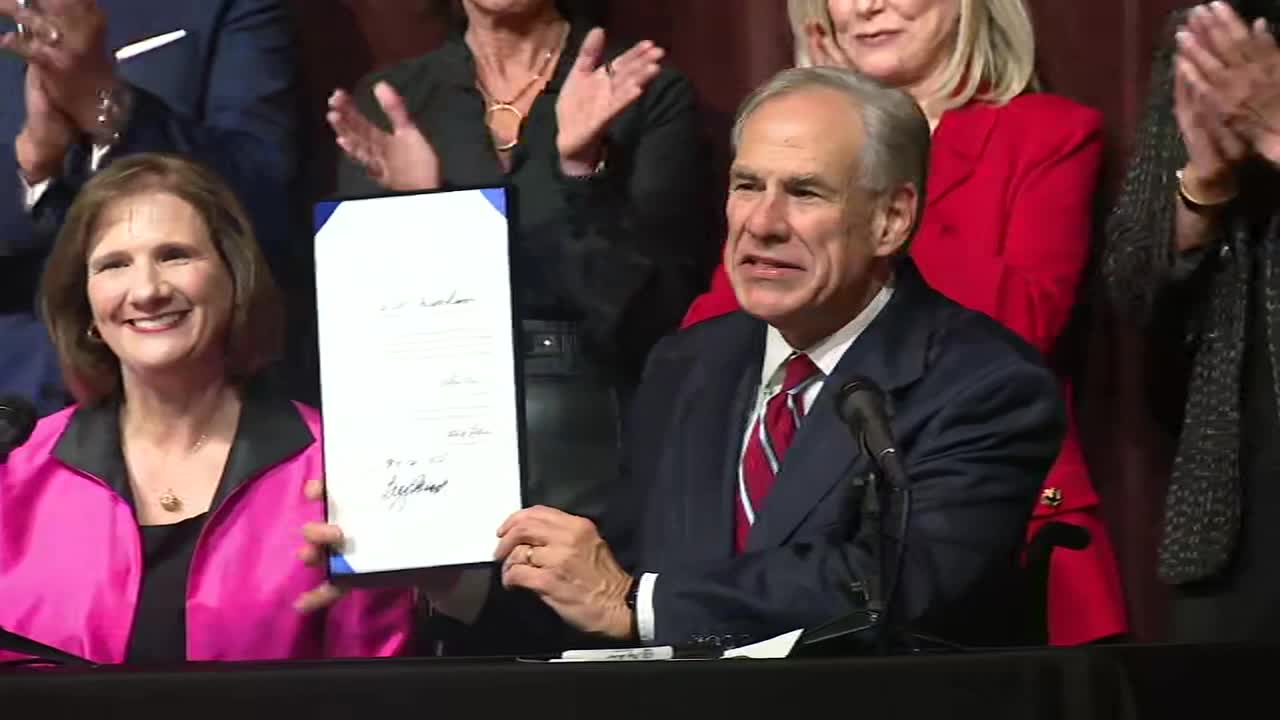
Opponents, however, see the legislation as inherently discriminatory and fueled by misunderstanding. They argue that it specifically targets American Muslims by playing on unfounded fears about Sharia law. For most observant Muslims, Sharia is a personal, spiritual guide governing prayers, charity, and family life, not a criminal code seeking to replace state law. Legal experts note that U.S. courts already have robust mechanisms, rooted in the First Amendment and public policy doctrines, to reject any religious or foreign legal principle that violates constitutional rights. Critics assert this law is redundant and serves primarily to marginalize a religious minority by legally codifying suspicion against their faith practices.
The controversy is deeply entangled with widespread misconceptions about Sharia. The term often evokes sensationalized images abroad, obscuring its role as a framework for personal piety and ethical conduct for millions of peaceful adherents. There is no evidence of Sharia overriding U.S. law in American courtrooms. The new Texas statute, critics warn, legitimizes these misconceptions and could chill the ability of religious individuals to use faith-based arbitration for consensual private disputes, a long-standing practice protected under freedom of contract and association.
The ultimate fate of the law will likely be decided in the courts. Organizations like the ACLU have signaled plans for legal challenges, arguing the law violates the First Amendment’s Free Exercise Clause and the Fourteenth Amendment’s guarantees of equal protection. The case will test how far a state can go in legislating against perceived religious influence in private legal matters. As other states observe, the outcome will set a significant precedent, shaping not only the relationship between religion and law in Texas but potentially offering a blueprint for similar measures nationwide, making this a pivotal moment in the ongoing American debate over religious pluralism and state power.