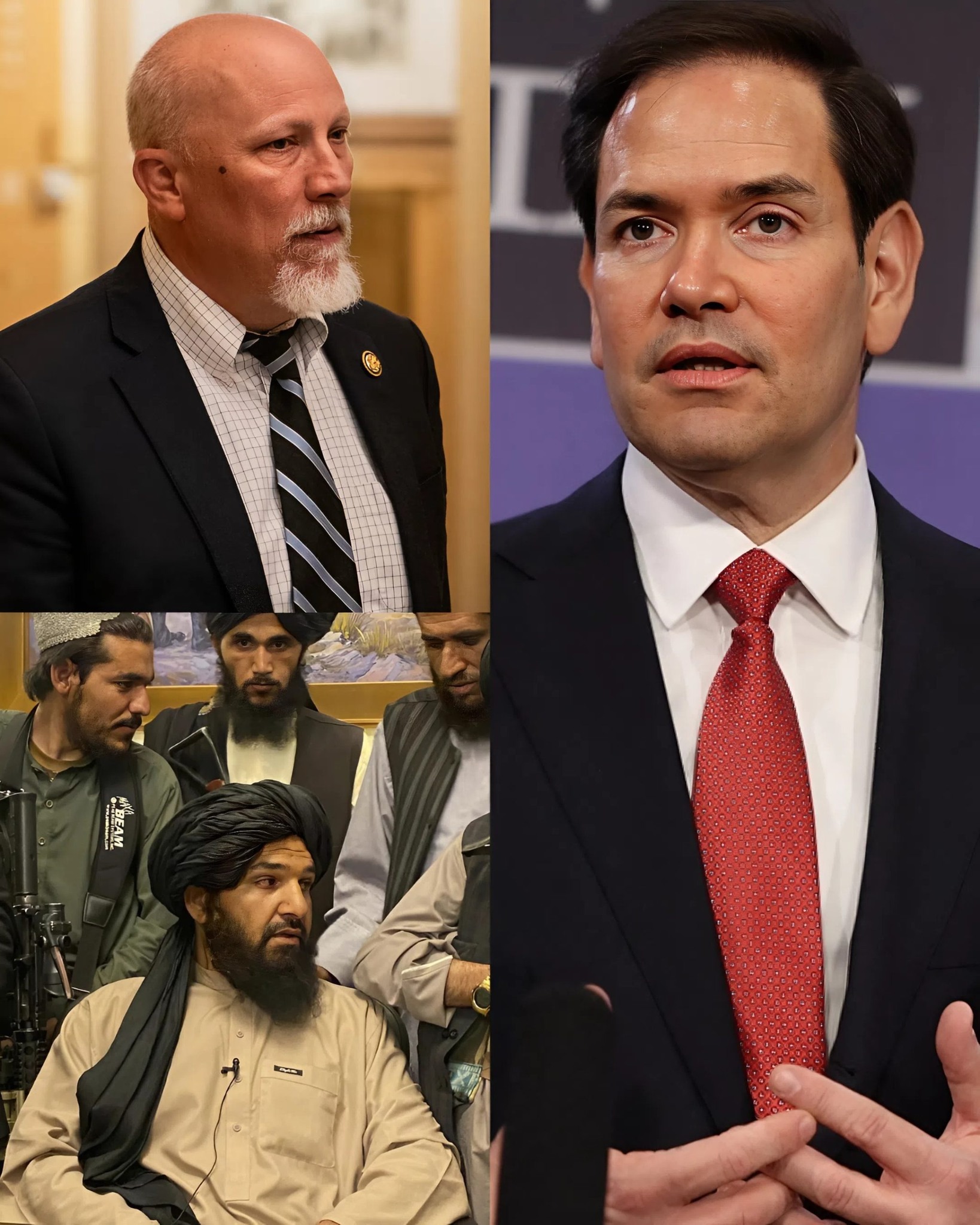
The introduction of the American Courts Act of 2025 has thrust a complex legal and theological issue into the center of political discourse. Championed by conservative lawmakers and instantly branded the “Sharia-Free America Act,” the proposal mandates that U.S. federal courts cannot enforce any foreign legal system that runs counter to constitutional rights. While framed as a universal principle, the debate has overwhelmingly focused on Islamic Sharia law, creating a polarizing narrative that pits national legal sovereignty against accusations of religious bias.
Supporters of the legislation present it as a preemptive and principled stand. They argue that in an era of global movement and cultural interchange, explicit statutory clarity is needed to prevent any foreign legal principles, especially those with religious foundations that may sanction unequal treatment, from gaining a foothold. “The Constitution is our covenant,” one supporter noted, “and this bill reinforces that no other legal code can dilute its promises.” The strong public support reflected in polls is seen as evidence that Americans are united in wanting this boundary firmly drawn, irrespective of political affiliation.

Yet, a chorus of voices from legal, religious, and human rights spheres labels the bill as deeply problematic. Their primary objection is that it stigmatizes an entire faith by equating the diverse, personal practice of Sharia among American Muslims with the harsh, state-enforced legal codes of some other nations. They emphasize that for most Muslim Americans, Sharia informs private religious observance—how to pray, fast, or structure a family contract—not a desire to replace U.S. civil law. The legislation, they argue, risks casting millions of loyal citizens as a potential fifth column, threatening social cohesion.
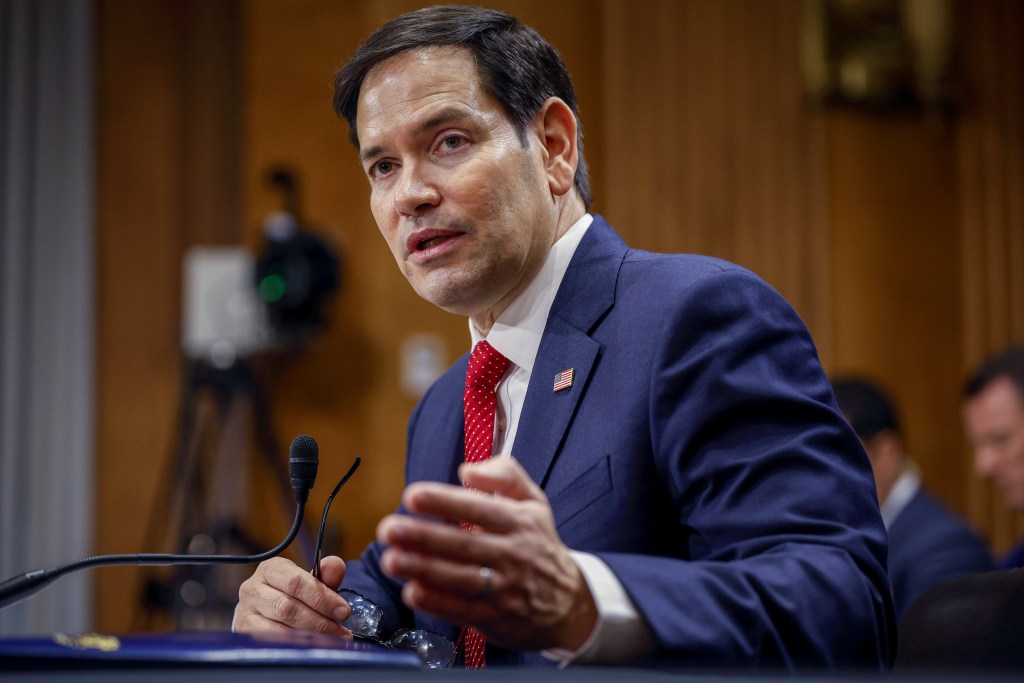
The emotional core of the conflict was captured by Sen. Marco Rubio’s vivid “scarlet line” metaphor. While effective politically, critics say such rhetoric substitutes frightening imagery for nuanced understanding, simplifying a complex matter of comparative law and religious freedom into a stark battle between civilization and barbarism. This framing, they worry, makes constructive dialogue nearly impossible and empowers those with prejudicial views.
Ultimately, the bill’s journey through Congress will be a test of the nation’s current temperament. It forces a confrontation between two cherished ideals: the inviolability of the constitutional order and the commitment to religious freedom without fear of persecution. The “Sharia-Free America Act” may or may not become law, but its very existence signals a moment of national self-examination. It asks how America, a nation built by immigrants and founded on a radical idea of liberty, defines the limits of its tolerance in the 21st century while striving to remain true to its founding creed.