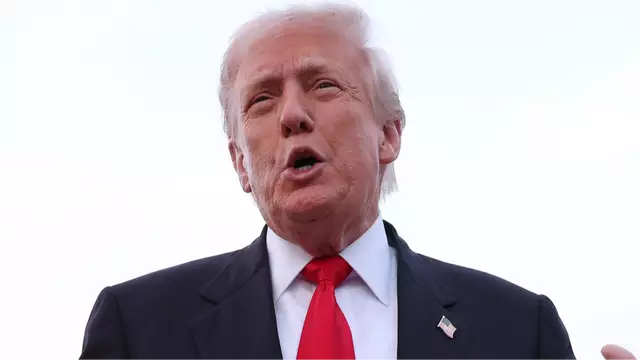
A new financial promise has been made that could put money directly into the wallets of many Americans. The concept, referred to as a ‘tariff dividend,’ was announced by President Donald Trump and suggests a direct payment to individuals. This idea aims to fulfill a long-standing political pledge of returning government-collected funds back to the people. However, the specifics of how and when this will happen are still generating many questions and a healthy dose of public curiosity.
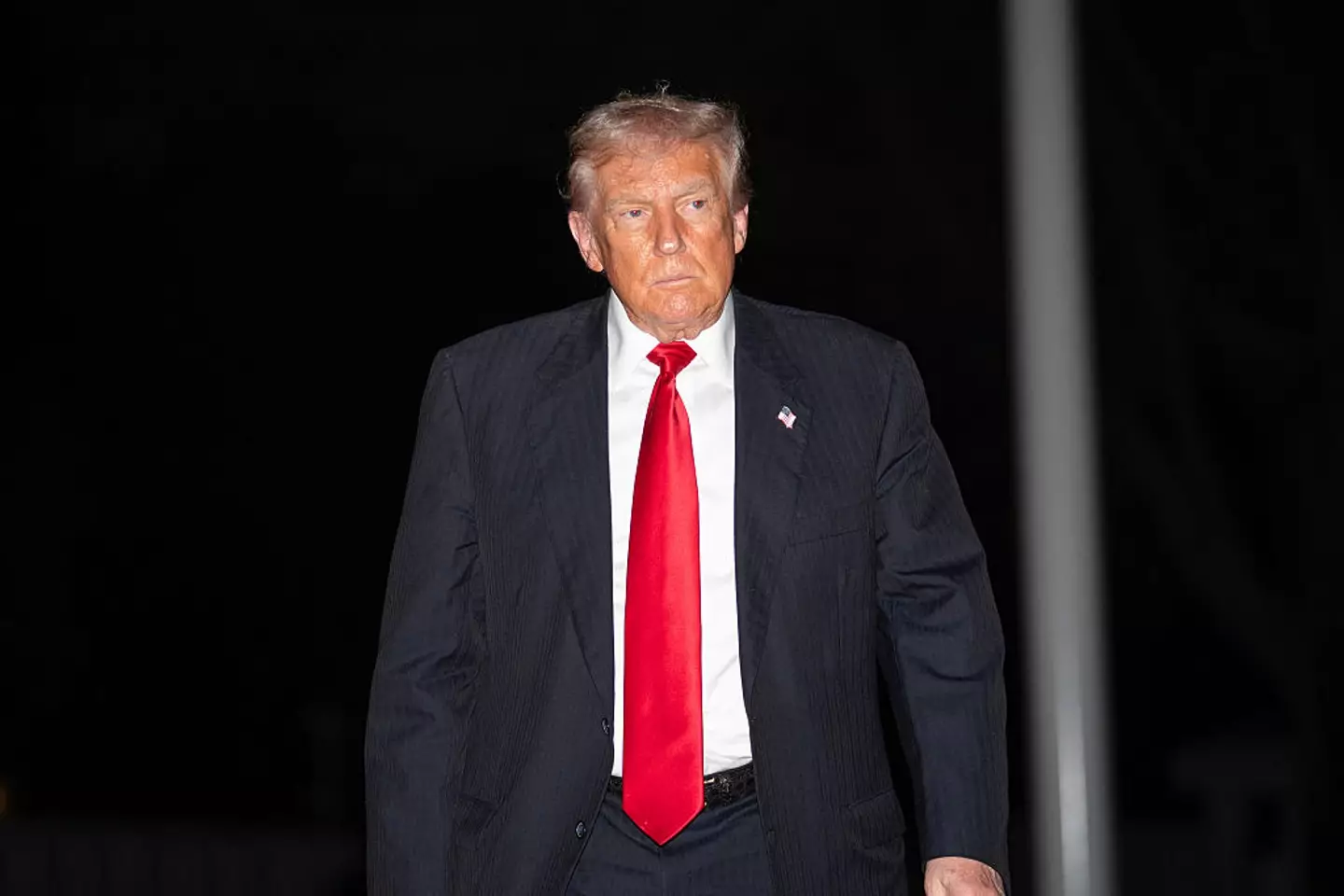
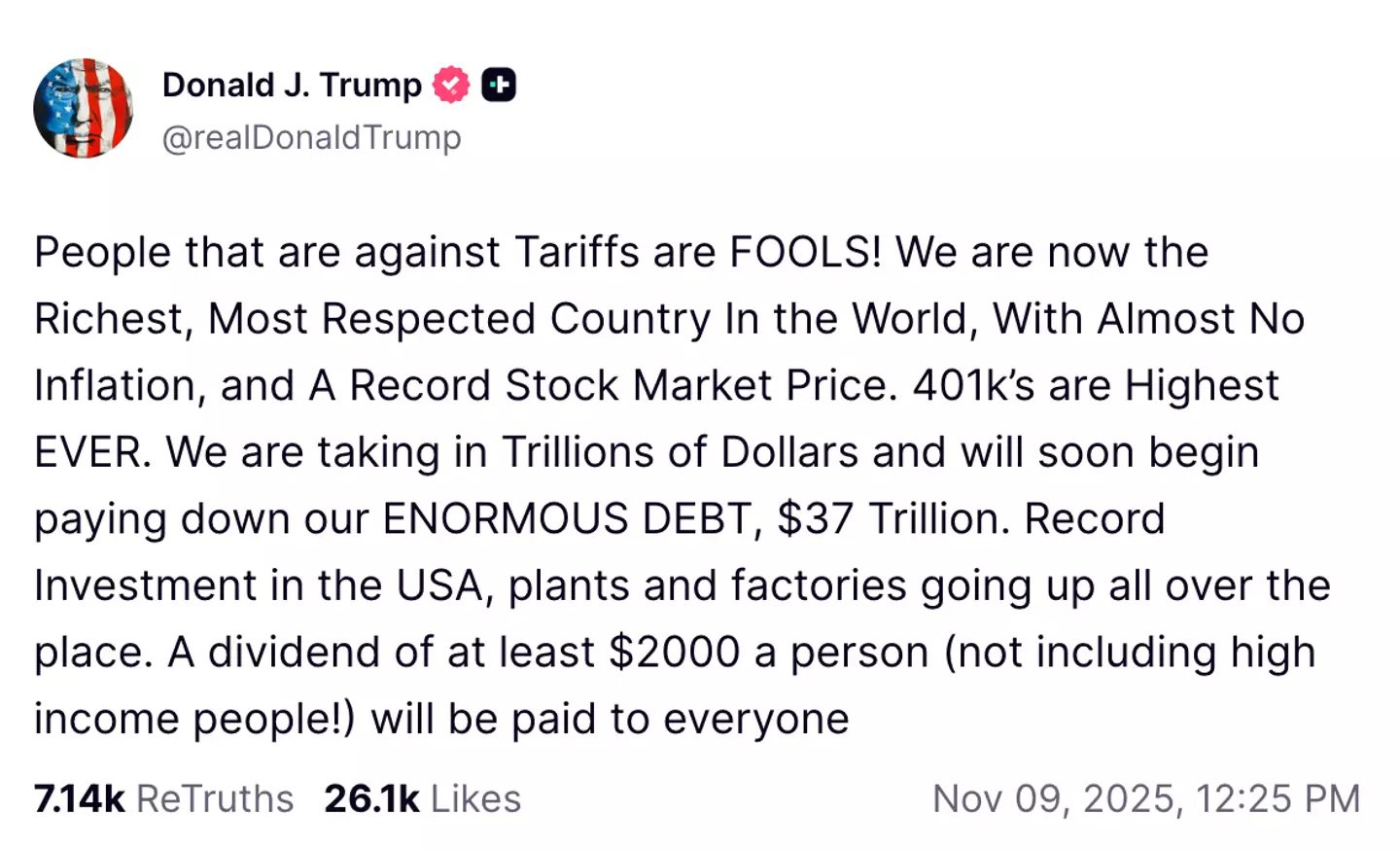
The announcement came through a post on the social media platform Truth Social. In his message, the president celebrated the country’s economic standing, calling it the “Richest, Most Respected Country In the World.” He pointed to low inflation and a strong stock market as signs of success. It was within this optimistic update that he introduced the dividend idea, promising a significant sum to most citizens while explicitly noting that high-income individuals would not be eligible for this particular payout.
According to the proposal, every eligible person could receive at least $2,000. The president connected this potential payment to the large sums of money the government is collecting from tariffs, which are taxes on imported goods. He suggested that this revenue is so substantial that it can not only help manage the country’s significant national debt but also provide a direct financial boost to American taxpayers, creating a tangible benefit from the government’s trade policies.
The financial foundation for this proposal appears to be based on tariff revenue. Reports indicate that the government collected $195 billion from tariff duties in the first three quarters of the year. While this is a large figure, it is not yet clear if it is sufficient to fund the widespread payments as described. The president did not provide a specific timeline for when people might see this money, leaving the promise in a conceptual stage for the time being.
Further details emerged when a top administration official was asked to explain the plan. The Treasury Secretary suggested that the $2,000 benefit might not necessarily come as a single check. Instead, it could be delivered through a combination of other financial relief measures, such as tax cuts on tips, overtime pay, and Social Security benefits. He did clarify, however, that he had not yet discussed the specific plans directly with the president, indicating that the proposal is still in its early stages of development.